For Opie, the personal has always been political, and right now, both feel under siege. To Be Seen, her first major UK museum exhibition, opens March 5th at London’s National Portrait Gallery. The location itself tells a story: as American museums grow more cautious due to government scrutiny, European art institutions are embracing a photographer whose work has consistently pushed boundaries.
“Without visibility, then there is no representation, right?” she asks. Opie’s camera has long focused on communities often passed over as subjects of “fine art,” from queer lives to neighborhood shopkeepers and activists.
© Catherine Opie
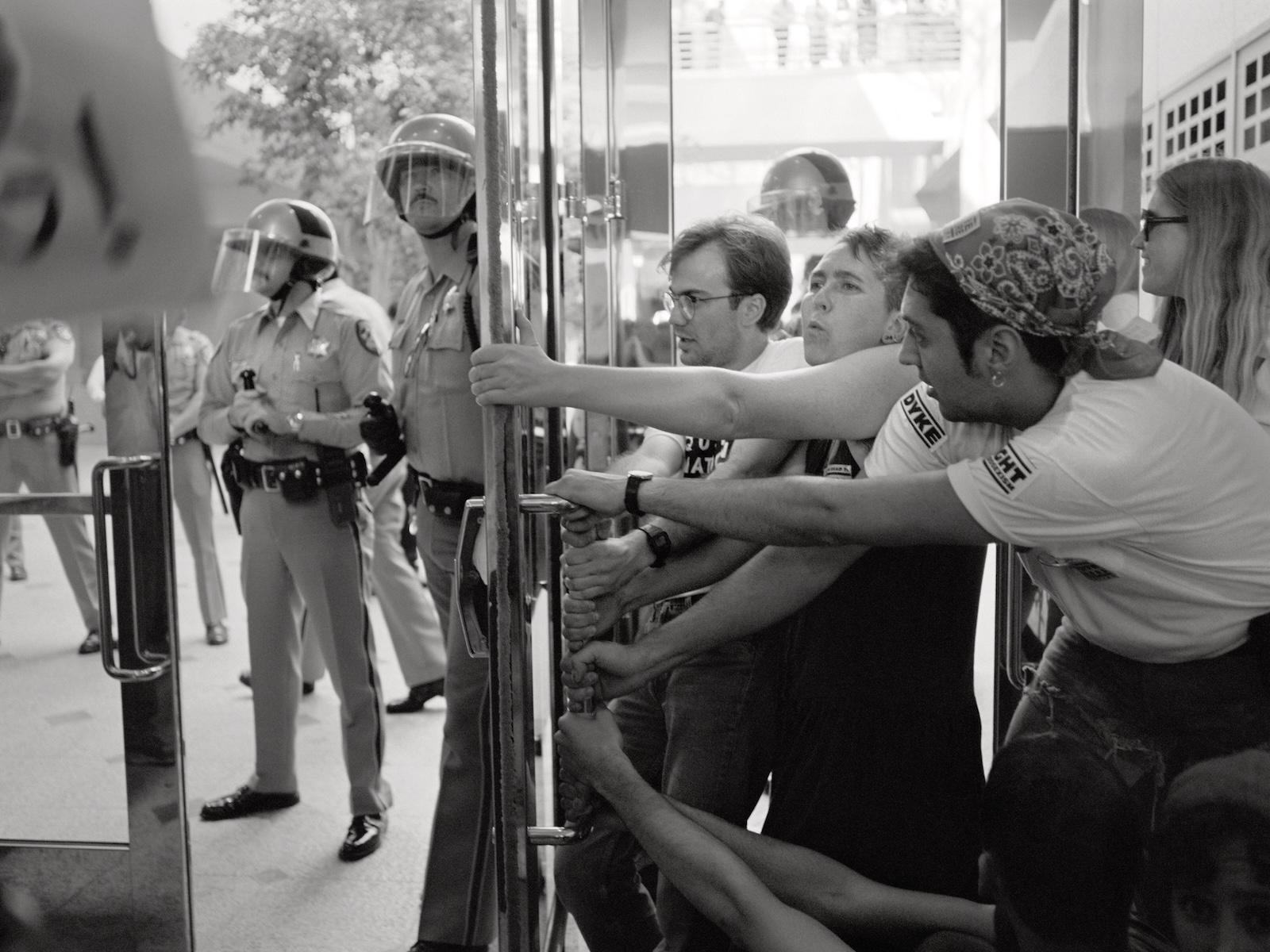
AB101 Demonstration, 1991, Catherine Opie. Courtesy Regen Projects, Los Angeles; Lehmann Maupin, New York, Hong Kong, London, and Seoul; Thomas Dane Gallery
“The Smithsonian is not going to show somebody like me right now — specifically me,” Catherine Opie says in a recent Teams interview from Los Angeles, her voice matter-of-fact. “I’m not welcome right now in America.”
It’s a stark statement from a photographer once crowned the “American photographer” at her 2008 Guggenheim retrospective. But Opie isn’t referring to the commercial gallery world — she’ll have a show at her longtime Los Angeles gallery Regen Projects in May. Instead, she’s talking about federally funded institutions increasingly subject to political pressure.
© Catherine Opie
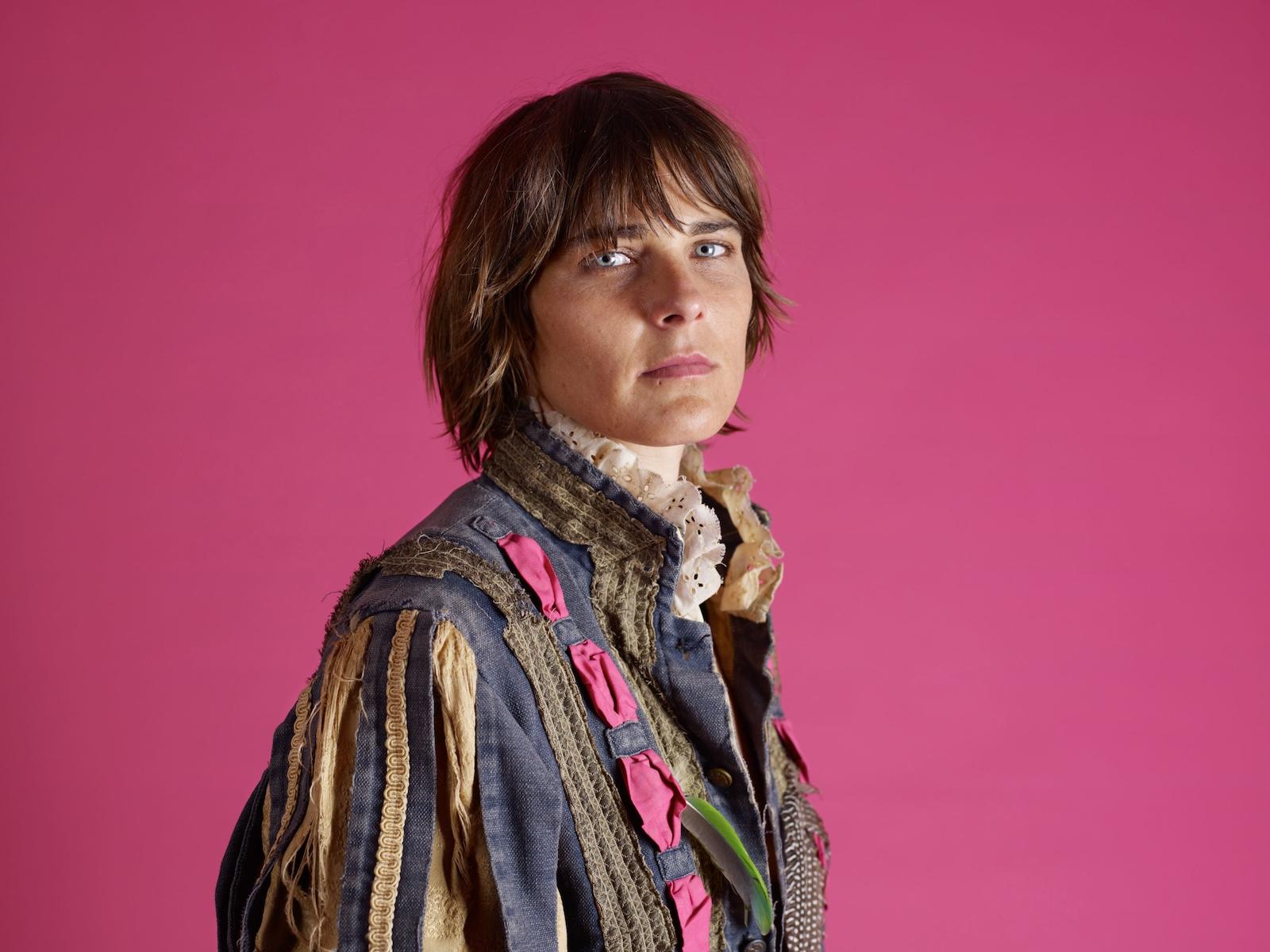
Daniela, 2009, Catherine Opie. Courtesy Regen Projects, Los Angeles; Lehmann Maupin, New York, Hong Kong, London, and Seoul; Thomas Dane Gallery
© Catherine Opie
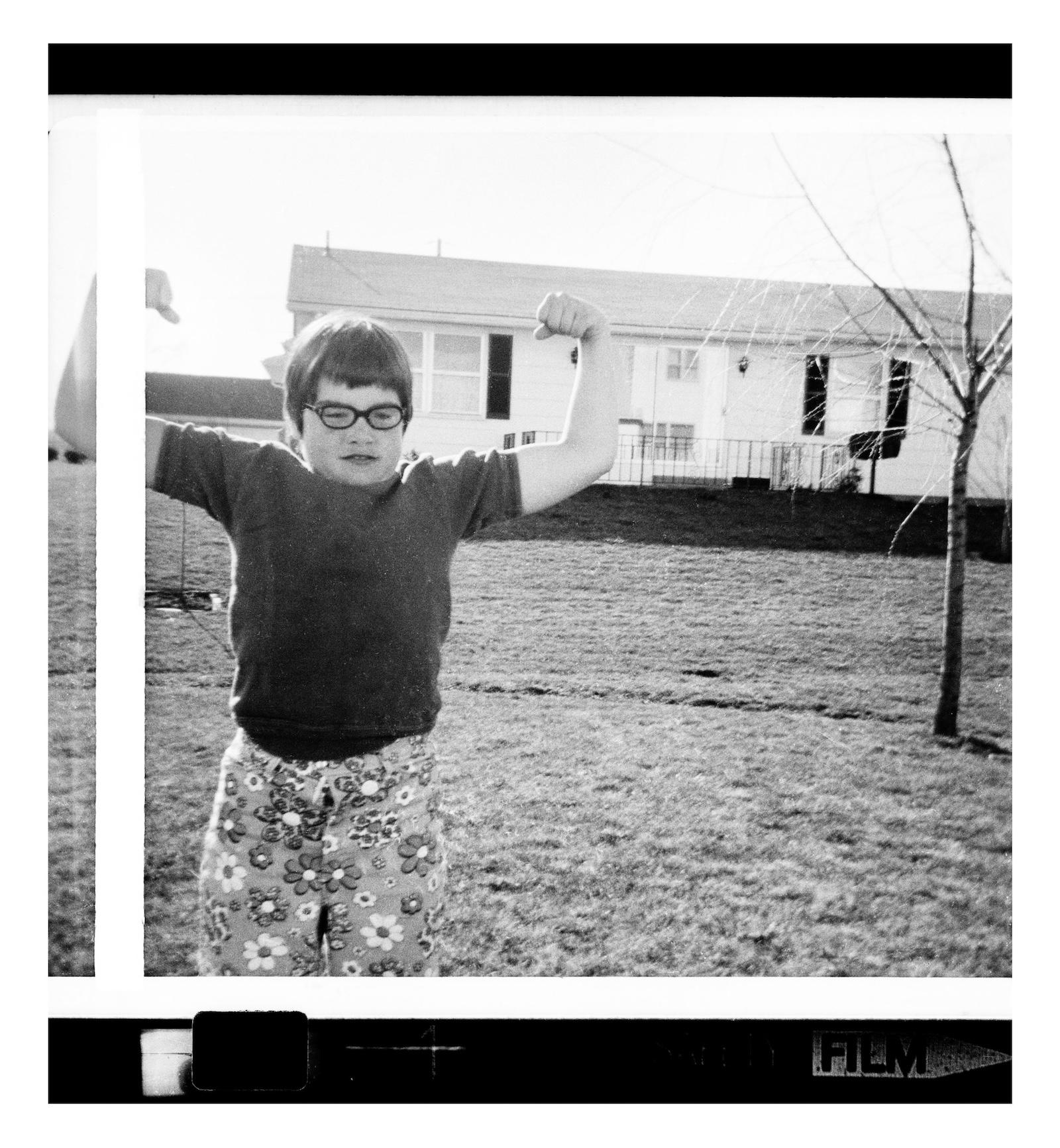
Self-portrait, 1970, Catherine Opie. Courtesy Regen Projects, Los Angeles; Lehmann Maupin, New York, Hong Kong, London, and Seoul; Thomas Dane Gallery Judie Bamber, 1993 © Catherine Opie, courtesy Regen Projects, Los Angeles; Lehmann Maupin, New York, Hong Kong, London, and Seoul; Thomas Dane Gallery
She draws a direct line from governmental neglect during the AIDS crisis to the present moment. “At that point in time, it really was like, how do you make really beautiful, bold work for a community that is being disenfranchised through the government?” she says. “Here we are again. We might have been able to get rights for [gay] marriage in some countries… but all of that is backtracking again under these authoritative, national Christian ideologies. Unless we question our own belief systems, we’re only going to keep recapitulating feelings of hate toward those who are othered.”
Organized across three rooms, the exhibition unfolds as what Opie calls her “little novels” — discrete bodies of work that together form a compelling visual narrative. The first gallery includes her childhood Self-Portrait (1970) alongside Bo (1994), part of the breakthrough Being and Having series, in which the artist sports a fake mustache as one of 13 members of her leather dyke community.
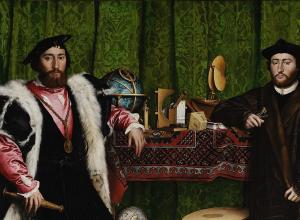
The second room shifts toward an art historical dialogue, connecting Opie’s contemporary practice to established visual traditions. This section acts as a conceptual bridge, showing how her work engages canonical artists while retaining urgent contemporary relevance. Opie wants to elevate her marginalized subjects the way Renaissance painter Holbein portrayed nobility — granting them the same dignity, the same unflinching gaze.
This space includes Untitled #15 (2017), an abstracted landscape of the White Cliffs of Dover. Opie describes the photograph as a response to Brexit, noting that Dover is where many immigrants arrive after crossing the English Channel. Even the landscapes, it becomes clear, carry political weight.
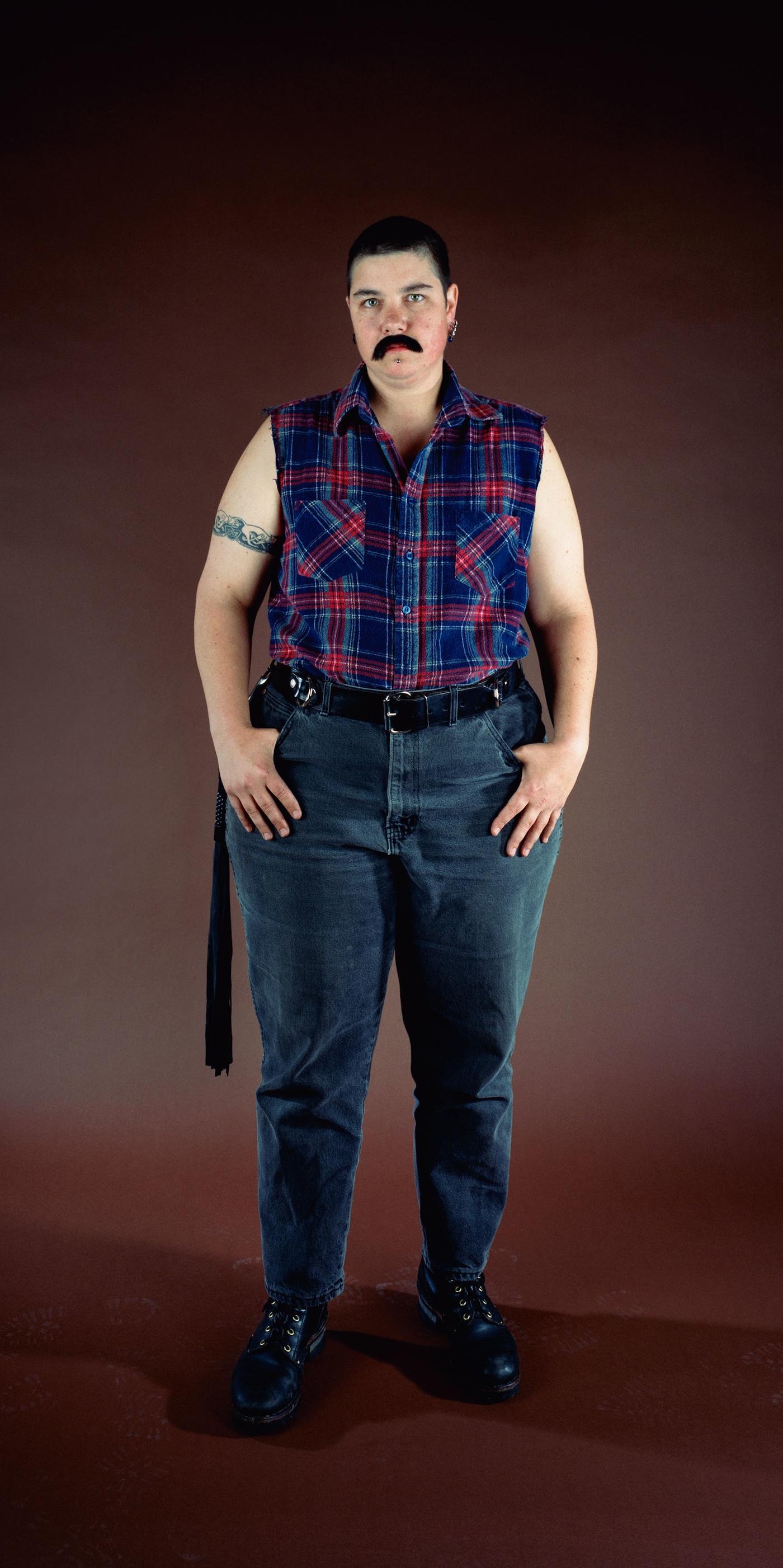
© Catherine Opie
Bo, 1994, Catherine Opie. Courtesy Regen Projects, Los Angeles; Lehmann Maupin, New York, Hong Kong, London, and Seoul; Thomas Dane Gallery
The final room brings together Surfers (2003) and High School Football (2007–09), two series examining distinctly male communities. The football photographs, in particular, explore what Opie calls a “warrior ethos,” by subtly subverting stereotypes of hypermasculine athletes. Many of the young men pictured were destined not for the NFL, but for deployment in Iraq or Afghanistan.
“These young men who didn’t have college scholarships were going off to war,” she said. “They were as vulnerable as my friends who were suffering in a crisis of the government around AIDS.” That equation — between queer bodies abandoned during a health crisis and working-class bodies sent to war — captures Opie’s refusal to see vulnerability as belonging to any single community.
“To be seen is another kind of call to awareness of what vulnerability really means,” she said, “living one’s true identity and one’s true self.” She describes this exhibit as one of the most personal of her career. “It represents moments in my life that also read as a diary of these relationships.”
Europe is embracing her this year. To Be Seen travels next to Edinburgh’s Royal Scottish Academy (August 8 to November 1), while Opie has two European solo exhibitions this year at Germany’s Fridericianum (February 14 to July 19) and Norway’s PoMo, opening June 25 and closing in late 2026.
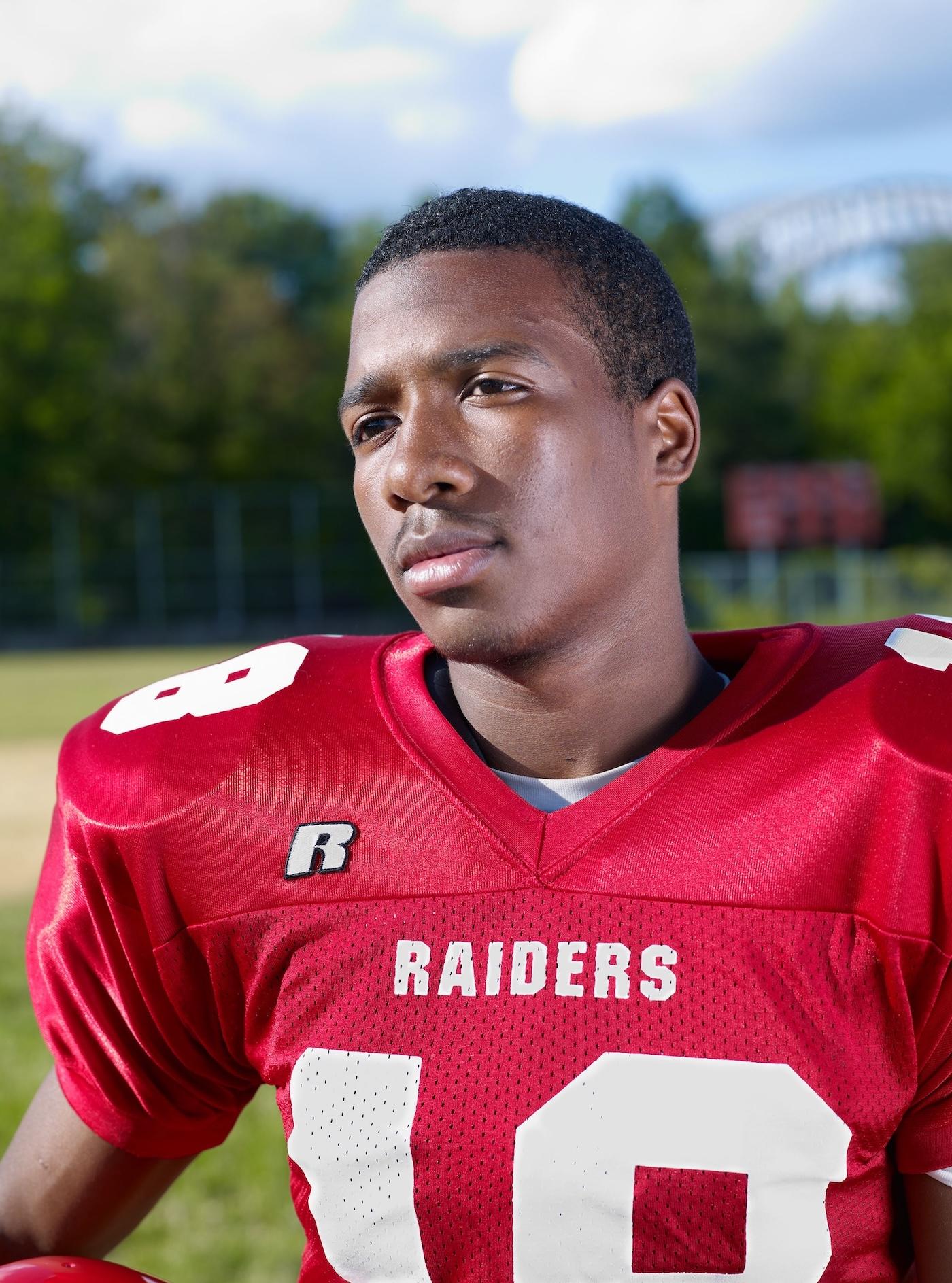
© Catherine Opie
Abdul, 2008, Catherine Opie. Courtesy Regen Projects, Los Angeles; Lehmann Maupin, New York, Hong Kong, London, and Seoul; Thomas Dane Gallery
Looking ahead, Washington, D.C. is a subject of interest, despite her doubts about how federally funded institutions might receive the work. Her upcoming exhibition at Regen Projects (May 28 to July 3) will feature the Norway Mountains series.
In a political moment when visibility itself feels like an act of resistance, the question becomes where it can occur. Opie’s photographs insist: we are here, we exist, we matter.