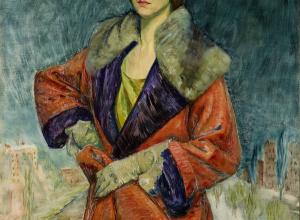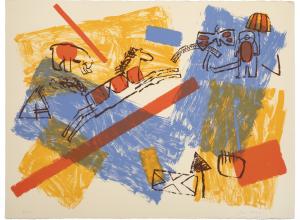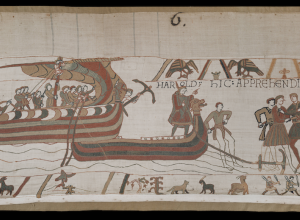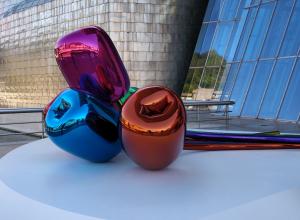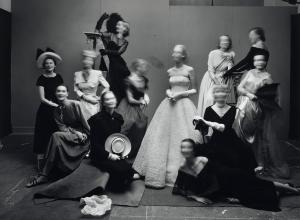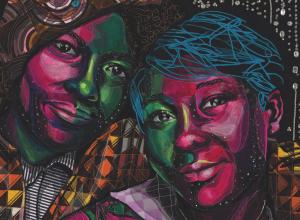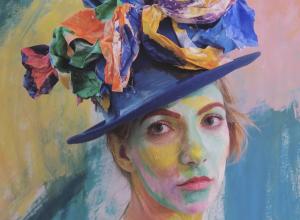

While Surrealism of the early 20th century was a male dominated movement, here are ten women Surrealist artists and innovators who broke the movement’s glass ceiling and used their work as a tool for social change.
Art News
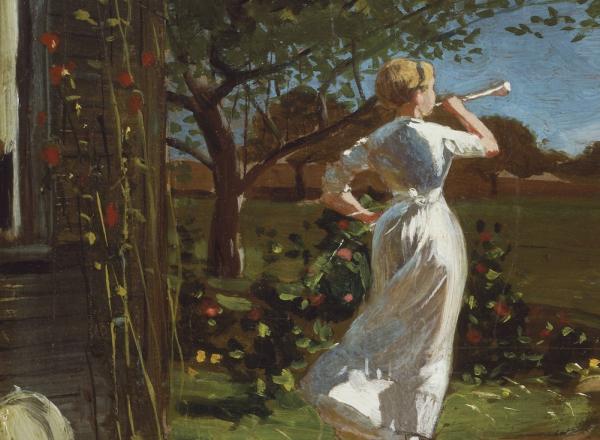
Few American artists are as closely associated with the outdoors as Winslow Homer (1836–1910), and few rival his ability to depict it in watercolor. This fall, visitors to the Museum of Fine Arts, Houston have a once-in-a-generation opportunity to see the largest collection in the world of Homer’s watercolors, from the holdings of the Museum of Fine Arts, Boston. Because of the works’ sensitivity to light, they have not been displayed together in almost half a century.

Johannes Vermeer, born in October 1632, grew up and spent most of his life in the Netherlandish city of Delft. Though his name faded after his death in 1675, his work was ‘rediscovered’ in the nineteenth century and has remained popular ever since. His uncanny ability to capture light—from the glow of sunshine behind a curtain to the sharp glimmer of precious stones—remains particularly striking nearly 500 years after the artist’s life. So too has the artist's masterful use of composition, contrast, and allegory continued to inspire.
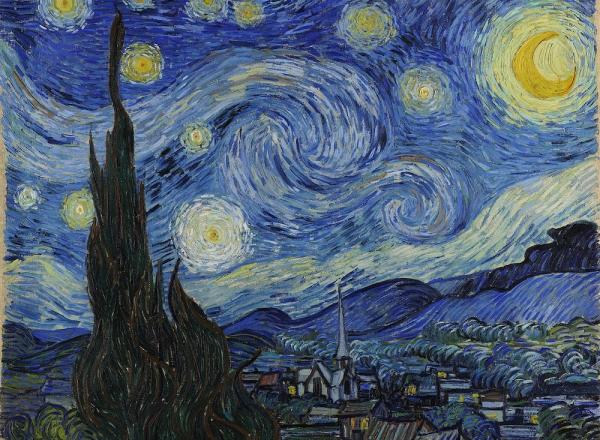
For more than a century, Vincent van Gogh's The Starry Night has been dated to mid-June of 1889, weeks after the artist admitted himself to an asylum in Saint-Rémy-de-Provence following a series of mental health crises and self-mutilation of his left ear.

In Andrianna Shamaris’ SoHo penthouse, reclaimed 17th-century floorboards, sun-bleached teak furnishings, carved Indonesian artifacts, and aged brick walls together convey a certain mood. “This loft is about imperfection,” the furniture designer says. “I didn’t want flat walls or sterile surfaces.
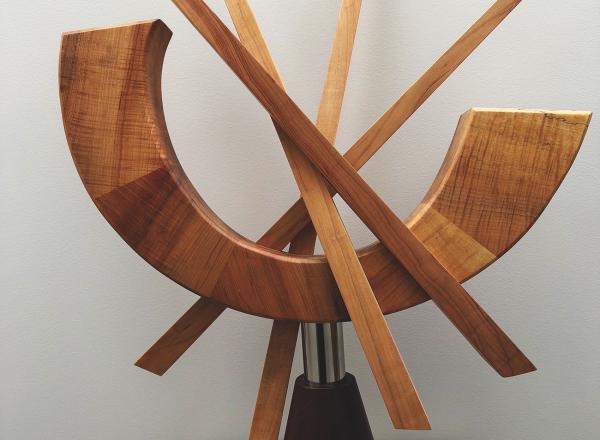
“Forty-five years ago I met sculptor Terry Karpowicz in Chicago where I was managing Mayor Byrne’s Mile of Sculpture exhibition at Navy Pier in conjunction with the Chicago International Art Exposition… Expo Chicago. We became fast friends, he even introduced me to my future wife. Now, these many years later, we are featuring Terry’s work at the gallery… I guess it’s about time!” — Tom McCormick
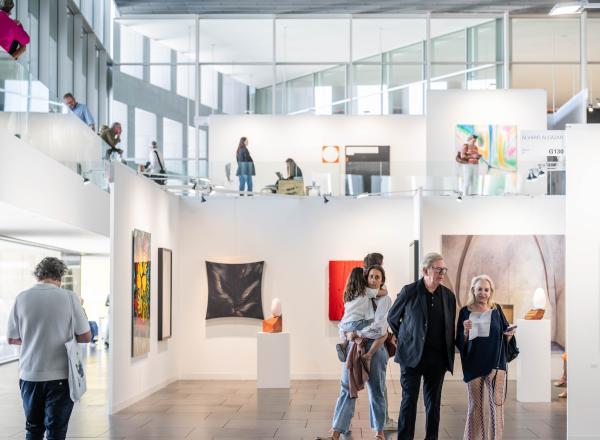
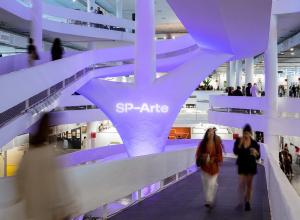
Art Cologne was born out of frustration back in 1967. Germany's post-war art market had gone quiet and closed-off, so a handful of dealers decided to try the opposite of the usual private, invitation-only affair: something public, something a middle-class collector could walk into feeling just as welcome as a wealthy one.

Since our very first president, Americans have adorned themselves with political messages. A compact way to tell the world about your political views and preferred candidates, buttons and pins have long served as simple, easy ways to boldly show your support.
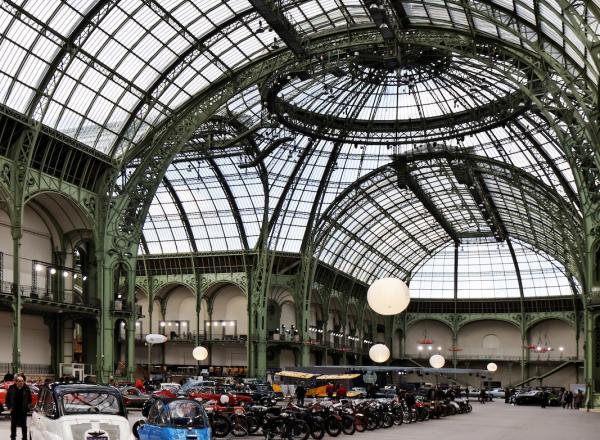
Anti-ram barriers and round-the-clock security ringed the Grand Palais when Art Basel Paris opened its doors to an invite-only group of collectors on October 20 as protests continued across France.
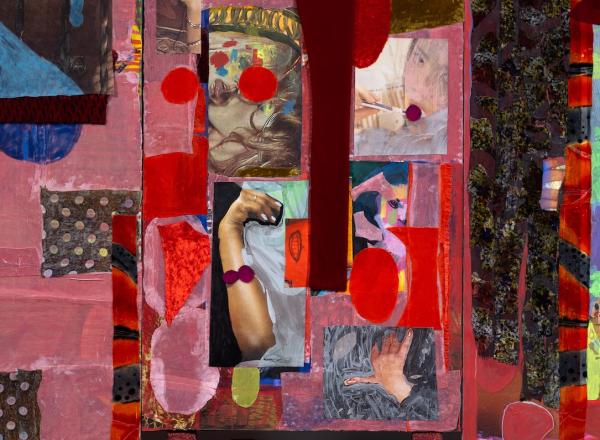
In the fall of 1991, a large, tall, and very dramatic four-part purple piece in Plastic Fantastic Lover (Object A), a group show of 21 women artists at the former Blum Helman warehouse in SoHo, captured the public’s attention.