Press Release  October 30, 2026

The Noguchi Museum Celebrates Isamu Noguchi's Akari Light Sculptures

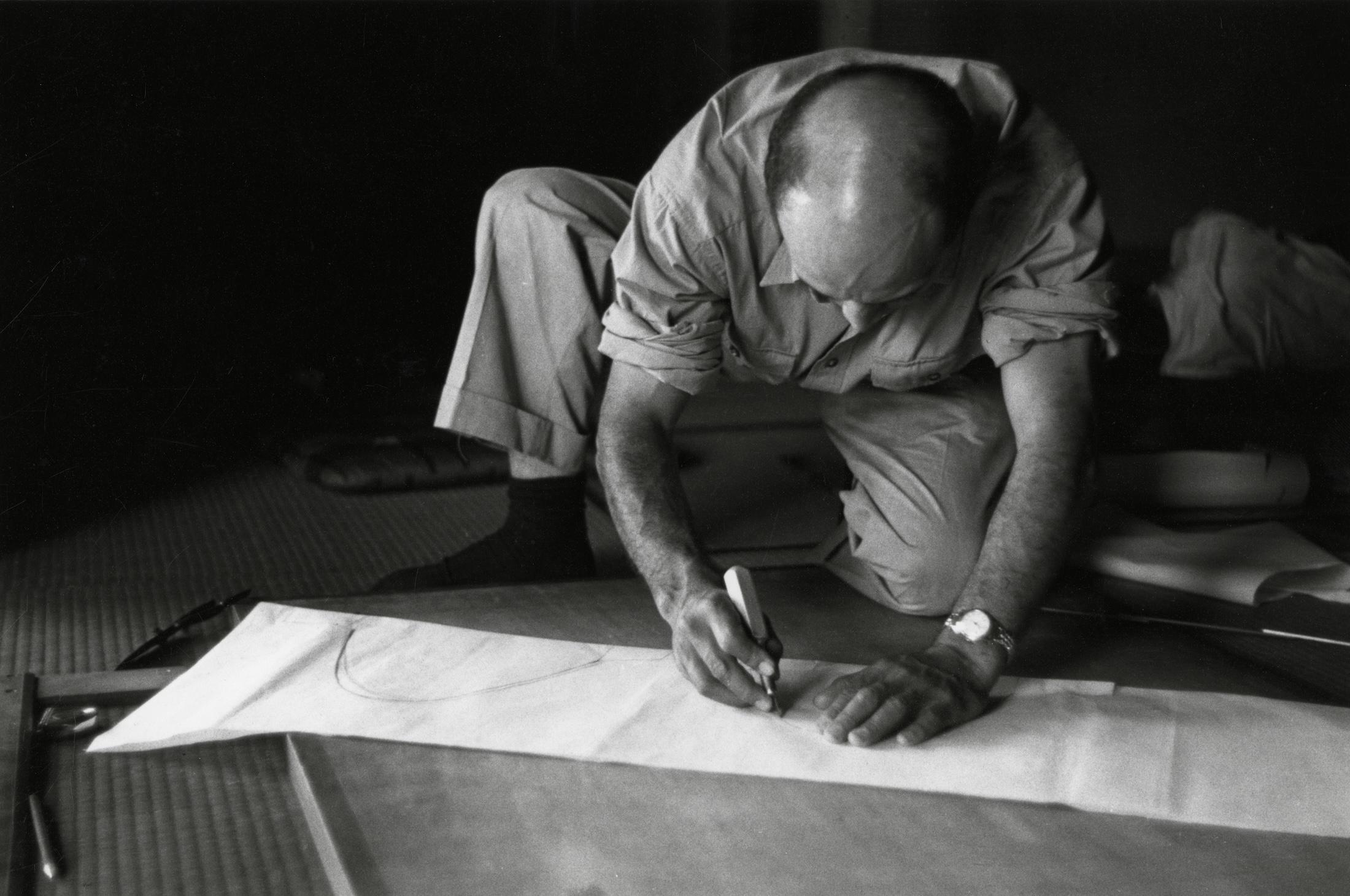
© The Isamu Noguchi Foundation and Garden Museum, New York / Artists Rights Society

Isamu Noguchi working on a paper template for an Akari design, 1952. The Noguchi Museum Archives, 03603. 

On view from November 4, 2026 through September 5, 2027, The Noguchi Museum presents No Ordinary Light: Akari at 75. Marking the seventy-fifth anniversary of Isamu Noguchi’s celebrated Akari light sculptures, the exhibition explores the artist’s revolutionary vision for light as sculpture and traces how Akari transformed from a reimagined Japanese paper lantern into one of the most enduring works of modern design.

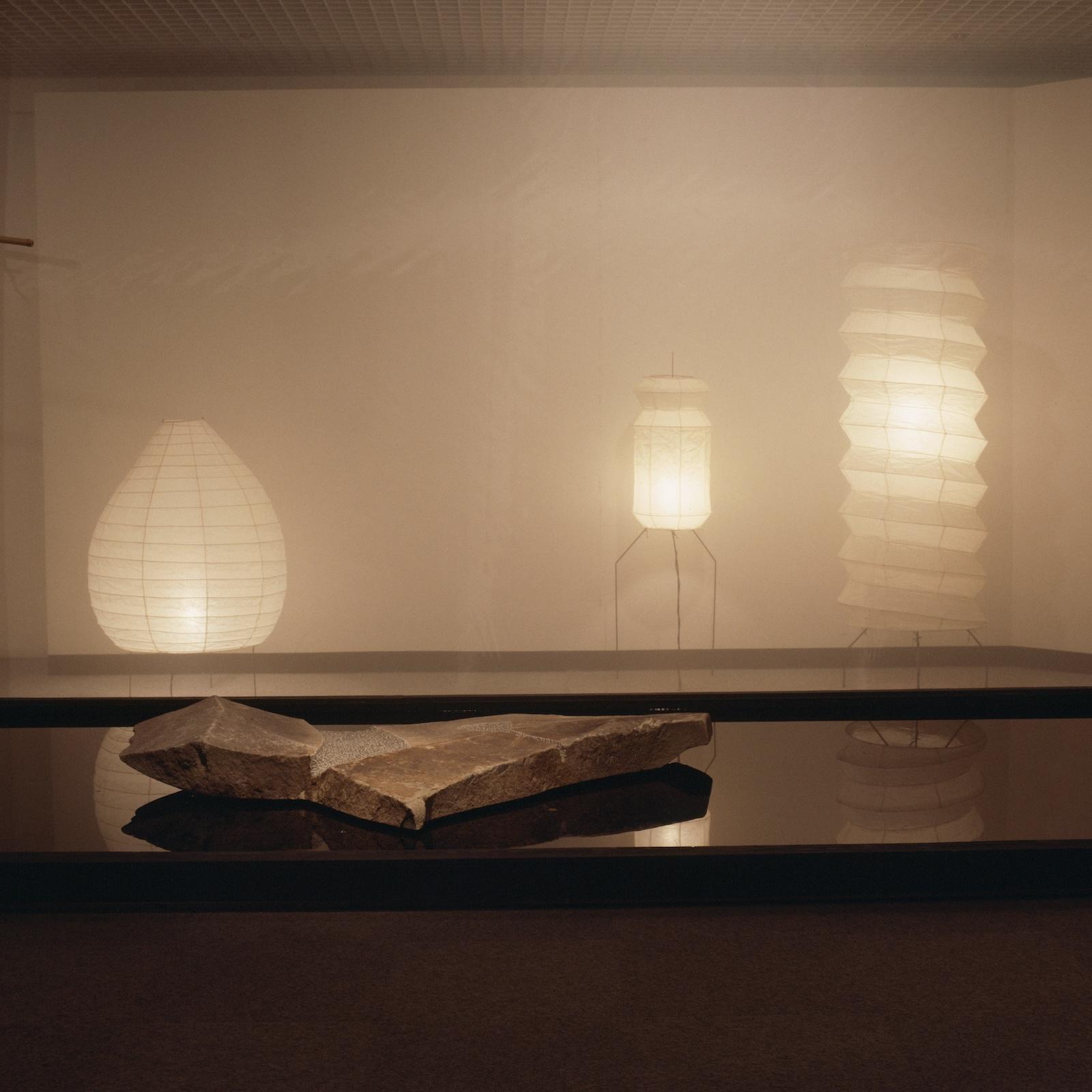
© The Isamu Noguchi Foundation and Garden Museum, New York / Artists Rights Society

Installation view, Space of Akari & Stone, Yurakucho Art Forum, Seibu Museum of Art, Tokyo, Japan, February 9–February 20, 1985. The Noguchi Museum Archives, 02892. 

Created during Noguchi’s first visit to Gifu, Japan, in 1951, Akari emerged from the artist’s encounter with the city's centuries-old lantern-making tradition. Noguchi not only saw the lantern as a functional object, but he also recognized its sculptural potential. “Akari is no ordinary light,” he insisted. Over the following three decades, Noguchi produced more than 200 distinct Akari,  conceiving each model as a “luminous sculpture” animated through light, space, and human experience. Seventy-five years later, Akari remains one of the most recognizable and influential design objects of the twentieth century, continuing to shape contemporary architecture, interiors, and sculpture while remaining true to Noguchi’s original vision.

Drawing upon works from the Museum’s collection, No Ordinary Light examines how Noguchi continually reimagined the presentation of Akari throughout his career. The exhibition reveals how he activated them through carefully orchestrated environments, placing them in conversation with sculptures in stone, metal, and clay and integrating them into architectural settings that ranged from intimate domestic interiors to monumental installations.
© The Isamu Noguchi Foundation and Garden Museum, New York / Artists Rights Society

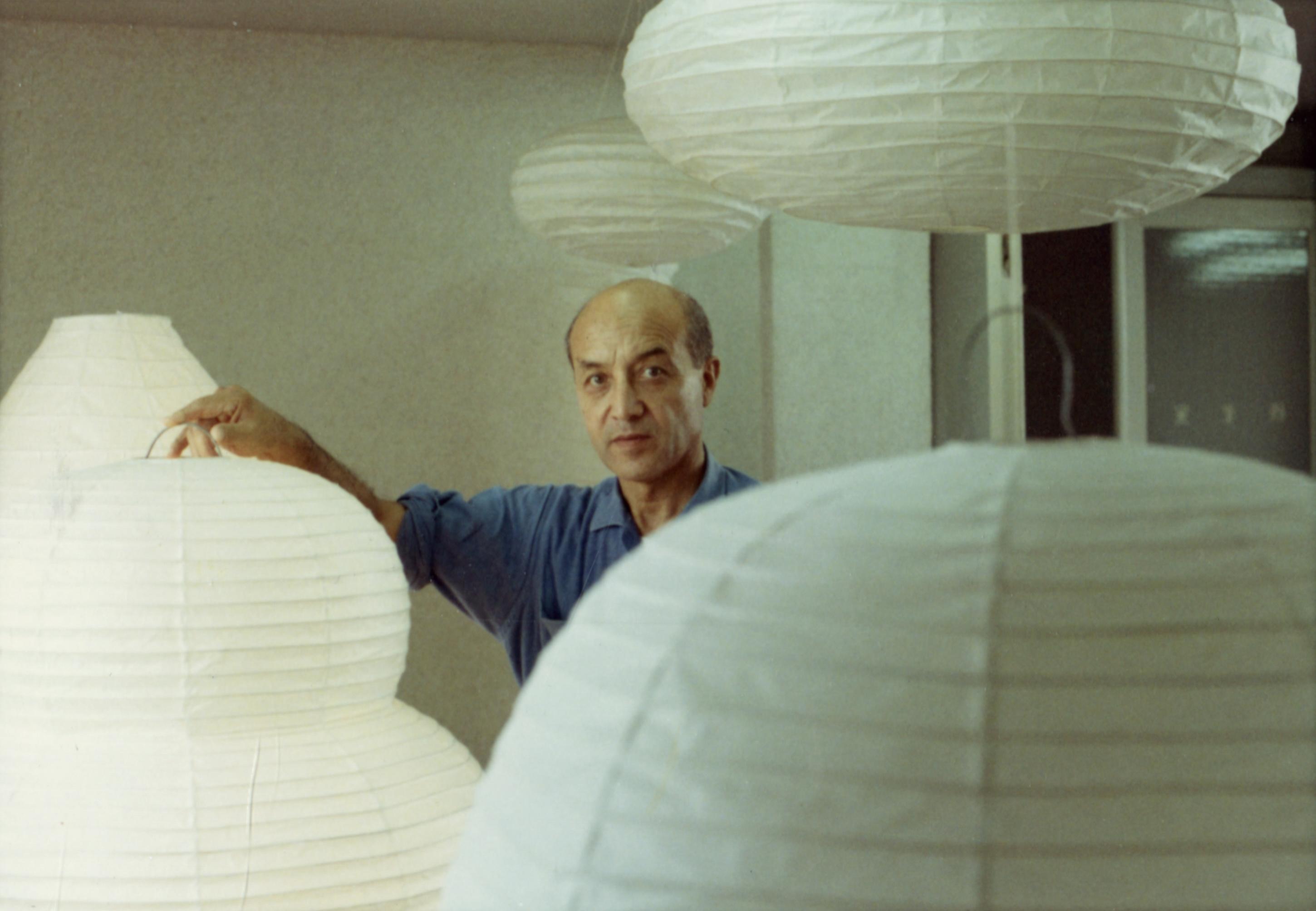
Isamu Noguchi with Akari light sculptures in Japan, 1968. The Noguchi Museum Archives, 03619. 

The exhibition takes inspiration from several of the most significant moments in Akari’s history, demonstrating how Noguchi’s understanding of these works evolved across decades. It begins with a presentation exploring Akari’s remarkable first appearance in the United States in 1951 at a private tea ceremony hosted by his friends, the designers Charles and Ray Eames in their home, Case Study House No. 8 in Pacific Palisades, California. There, Akari showcased Noguchi’s radical synthesis of Japanese craft traditions, modern sculpture, and design—and his belief that art belonged in everyday life. 

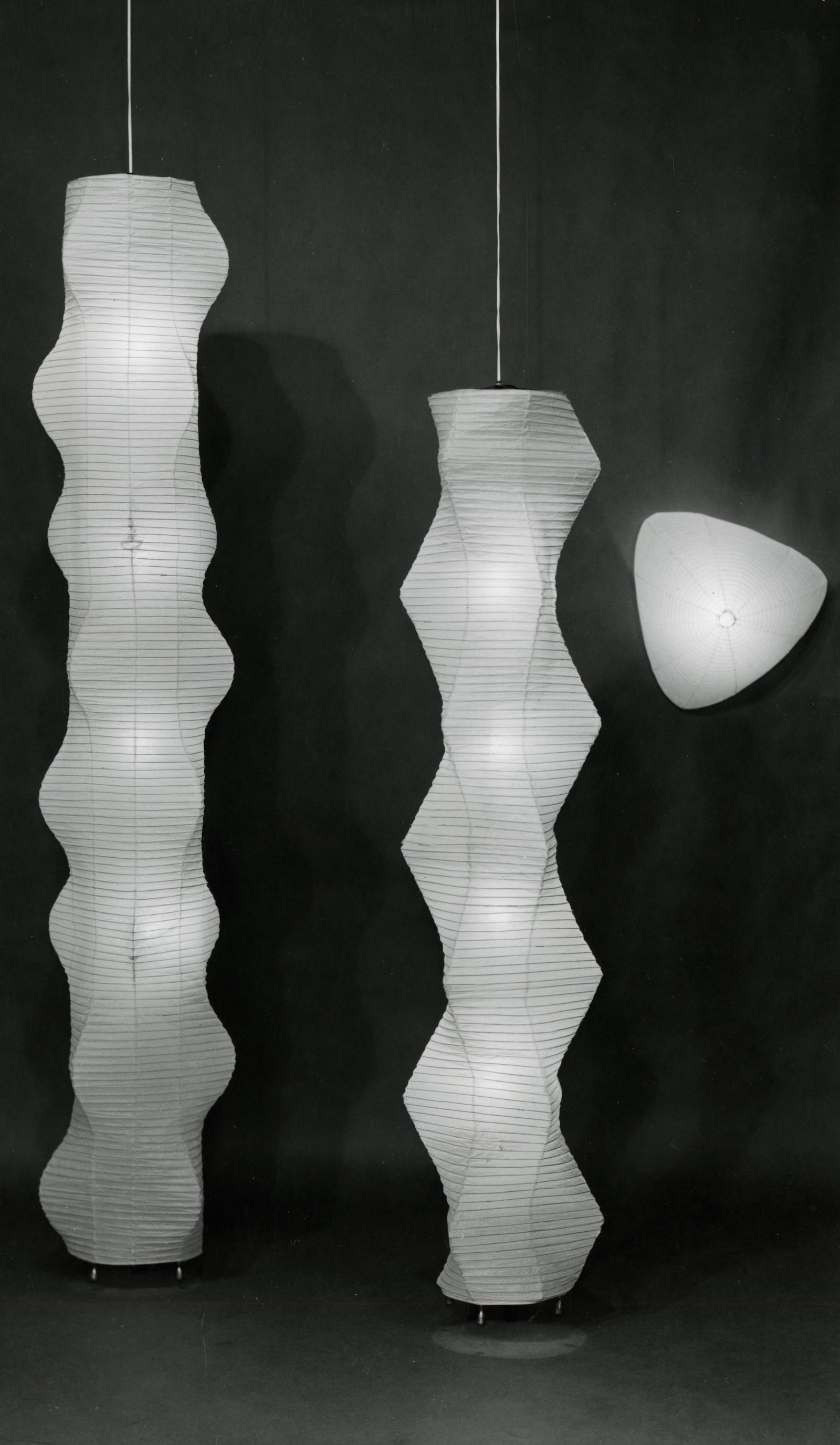
© The Isamu Noguchi Foundation and Garden Museum, New York / Artists Rights Societ

(left to right) Isamu Noguchi, Akari B, A, 25A. The Noguchi Museum Archives, 03562. 

The exhibition concludes by revisiting the artist’s controversial presentation at the 1986 Venice Biennale, where Noguchi incorporated Akari into an immersive public installation, and asserted their importance as vital sculptural forms. Together, these historical moments from across his career illuminate Noguchi’s conviction that Akari’s meaning was never fixed, but continually renewed through its relationship to architecture, landscape, and the people who encountered it. As the artist once noted, Akari “comes to life in how it is shown, in how it is in relation to people’s lives and in relation to the environment in which it is placed.”

Through these installations, we can newly appreciate how Noguchi used his unique illuminated sculptures to explore tensions between the traditional and modern, industrial and handmade, enduring and ephemeral. An archival display of sketchbooks also reveals Noguchi’s process for designing new lantern shapes, demonstrating how the artist compulsively generated protean ideas for Akari alongside his more critically accepted sculptural practice. The exhibition will also include rarely exhibited works including the 200D (c.1985), the largest Akari Noguchi ever produced, inside a pine enclosure specifically designed for the Venice Biennale. Other Akari, fabricated specifically for the Venice Biennale from germinal sketches from the previous decade, will also be featured for the first time since 2009. 

As Akari continues to inspire generations of artists, architects, designers, and collectors around the world, No Ordinary Light: Akari at 75 offers a timely reassessment of Noguchi’s evolving presentation of these iconic works. Curated by Kate Wiener, Curator, and Matthew Kirsch, Curator and Director of Research, the exhibition reveals that Akari’s enduring legacy lies not only in their extraordinary forms, but in their remarkable ability to transform every environment they inhabit. 

Learn more about the history of Akari light sculptures by visiting: noguchi.org/isamu-noguchi/digital-features/the-history-of-akari-light-sculptures/

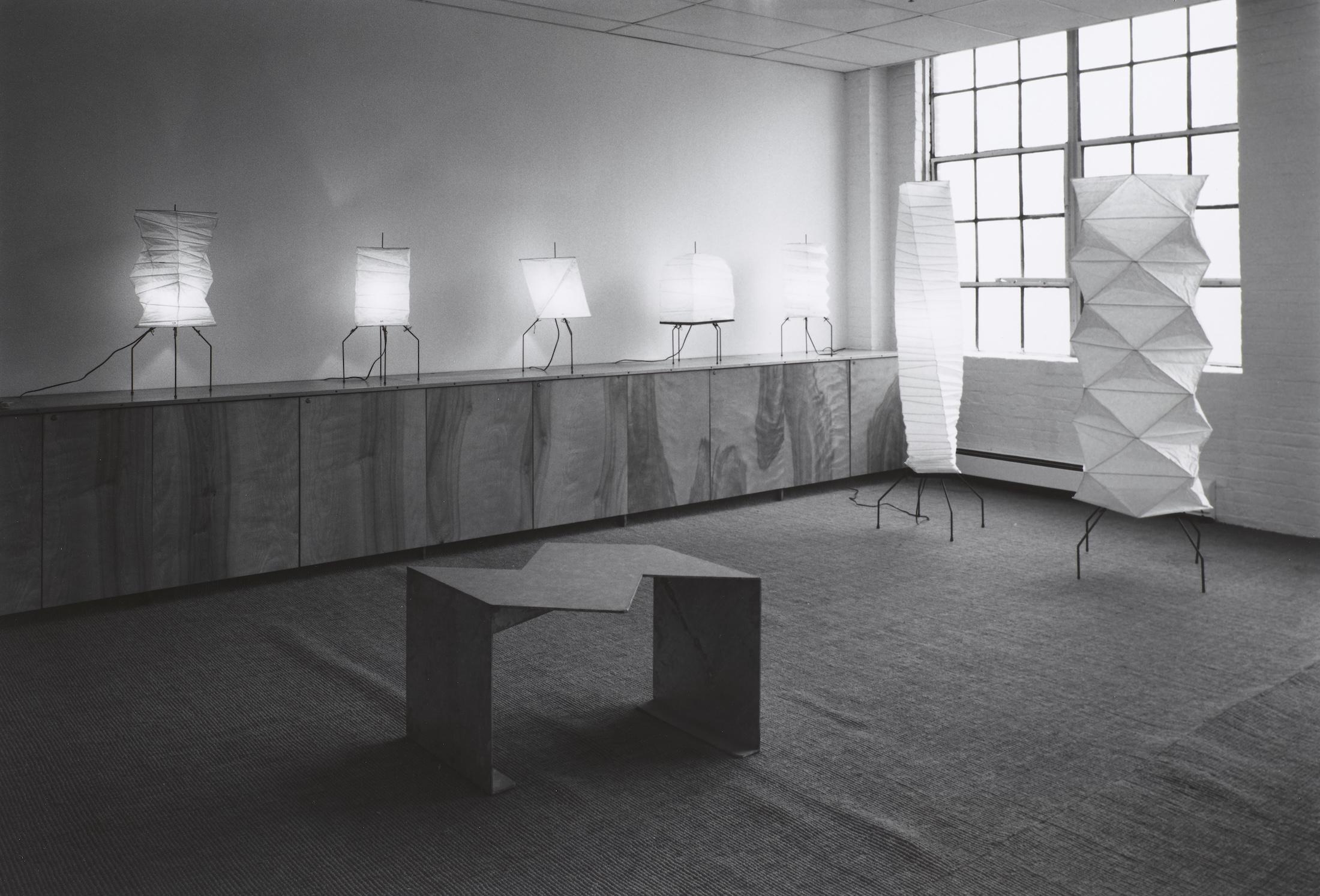
© The Isamu Noguchi Foundation and Garden Museum, New York / Artists Rights Society / Estate of Shigeo Anzaï, Courtesy of Zeit-Foto

Akari on display at The Isamu Noguchi Garden Museum, c. 1980s. Photo: Shigeo Anzai. The Noguchi Museum Archives, 142888. 

ABOUT THE NOGUCHI MUSEUM 

Founded in 1985 by category-defying Japanese American sculptor Isamu Noguchi (1904–1988), The Isamu Noguchi Garden Museum (now known as The Noguchi Museum) in Queens, New York, was the first museum in the United States to be established, designed, and installed by a living artist to show their own work. Itself viewed as among the artist’s greatest achievements and holding the world’s largest collection of his works, the Museum features open air and indoor galleries in a repurposed industrial building and a serene outdoor sculpture garden. Since its founding, it has served as an international hub for Noguchi research and appreciation. In addition to managing the artist’s archives and catalogue raisonné, the Museum exhibits a comprehensive selection of Noguchi’s material culture, from sculpture, models, and drawings, to his personal possessions. Provocative installations drawn from the collection, together with diverse special exhibitions and collaborations with practitioners across disciplines, offer a multifaceted view of Noguchi’s art and illuminate his enduring influence. noguchi.org | @noguchimuseum

40.766696213691, -73.937777

No Ordinary Light: Akari at 75
Start Date:
November 4, 2026
End Date:
September 5, 2027
Venue:
The Isamu Noguchi Foundation and Garden Museum

Subscribe to our free art newsletter!

Webform