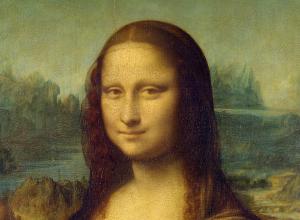

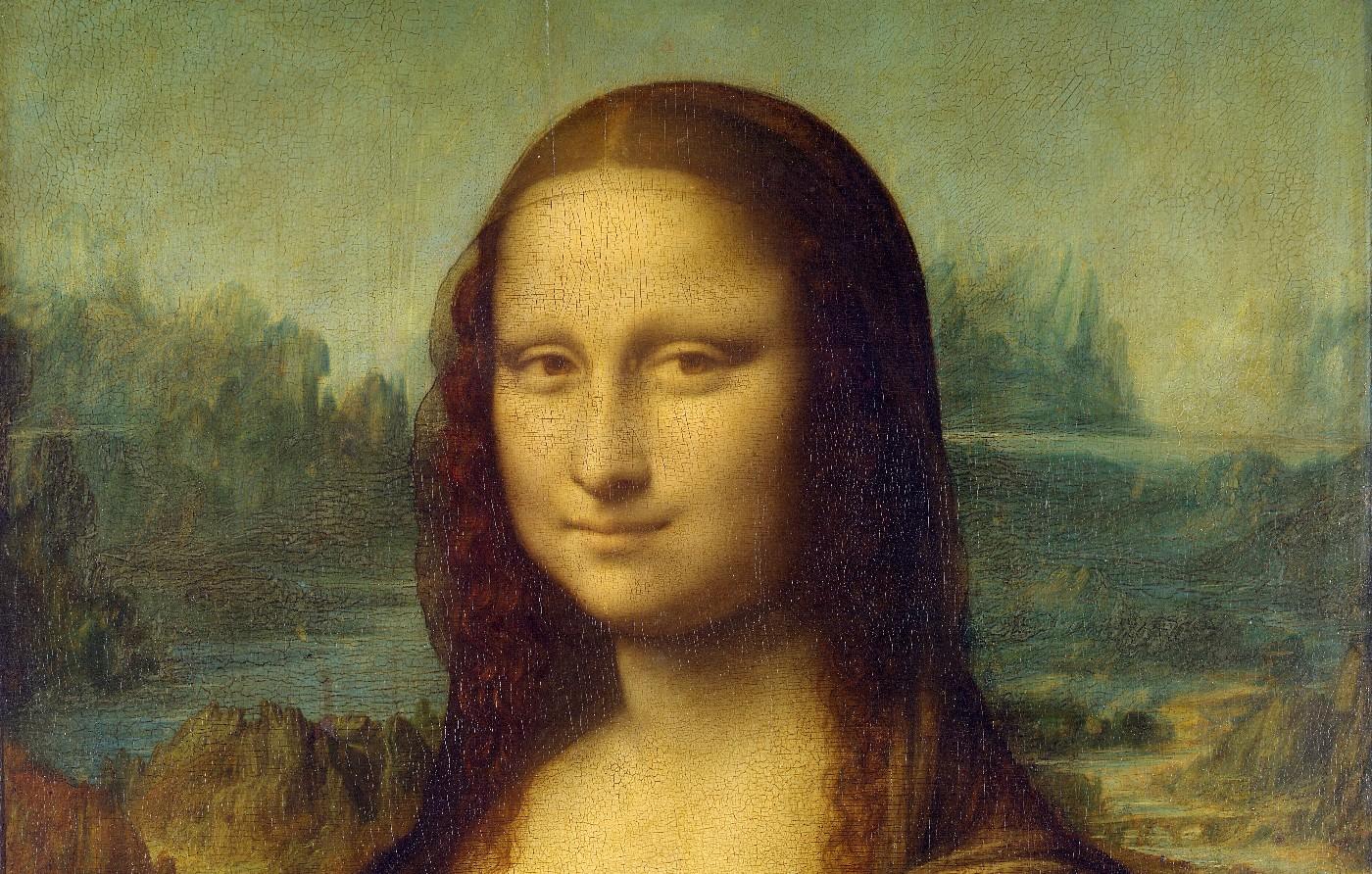
Leonardo da Vinci, Mona Lisa, oil on panel, circa 1503. Detail.
Western art history doesn’t move in a straight line toward improvement. It advances through breaks—moments when artists reject inherited assumptions and redefine what art is for. The visible changes are stylistic, but the deeper shifts are conceptual: how artists understand representation, what counts as truth, and the role the artist is meant to play. This account begins with the Renaissance because it sets the terms of the conversation. It is here that artists first systematize naturalism, revive classical ideals, and position themselves as intellectual actors rather than skilled laborers. The central problems—how to render the world convincingly, how to balance observation with ideal form, and what authority the artist holds—are established in this period and reworked, challenged, or abandoned in every movement that follows.
From the Renaissance recovery of classical naturalism to the conceptual challenges of the twentieth century, these movements track broader changes in philosophy, religion, politics, and technology. What follows is a chronological guide to eighteen major movements in Western art history, each offering a distinct answer to a fundamental question: what is art, and what is it for?
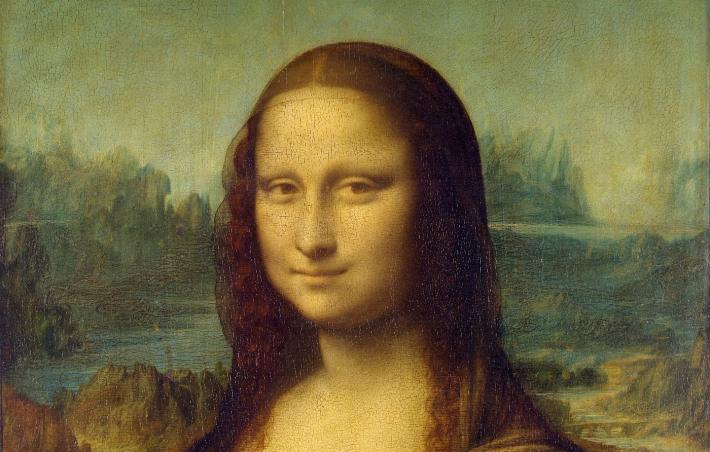
The Renaissance was a cultural and artistic movement that began in Italy during the 14th century and spread across Europe through the 16th century. The word Renaissance means “rebirth,” referring to a renewed interest in the art, literature, philosophy, and scientific achievements of ancient Greece and Rome.
Renaissance artists sought to represent the world more realistically than their medieval predecessors. One of their most important innovations was the development of linear perspective, a mathematical system that created the illusion of depth on a flat surface. Artists also studied anatomy, light, and nature in order to depict the human body and the physical world with greater accuracy.
The movement was closely connected to the rise of humanism, an intellectual philosophy that emphasized the value and potential of human beings. While religion remained a central subject, artists increasingly portrayed individuals as complex, dignified, and unique. Portraiture became more common, and classical myths reappeared alongside biblical themes.
Major centers of Renaissance art included Florence, Rome, and Venice. Important patrons such as the Medici family funded artists and commissioned works that demonstrated wealth, learning, and civic pride.
Key artists of the Renaissance include Leonardo da Vinci, whose works combined scientific observation with artistic mastery; Michelangelo, renowned for his sculpture and monumental frescoes; and Raphael, celebrated for his balanced and harmonious compositions.
The Renaissance transformed Western art by establishing many of the principles of realism, individualism, and artistic innovation that would shape European art for centuries to come.
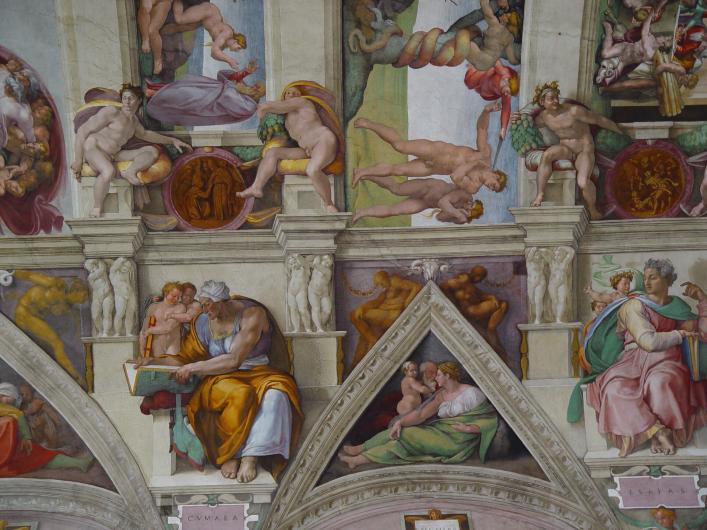
Mannerism was an artistic movement that emerged in Italy around 1520, following the peak achievements of the High Renaissance. While Renaissance artists such as Leonardo da Vinci, Michelangelo, and Raphael had sought balance, harmony, and idealized naturalism, Mannerist artists deliberately moved away from those ideals. They favored complexity, artificiality, and expressive distortion.
The movement is generally dated from about 1520 because this was the year of Raphael’s death, an event often seen as symbolizing the culmination of the High Renaissance. By this time, many artists felt that the major problems of naturalistic representation had already been solved. Rather than continuing to pursue perfect balance and realism, they began experimenting with elongated figures, unusual proportions, ambiguous space, and highly sophisticated compositions.
Mannerist paintings often feature elegant but exaggerated bodies, crowded arrangements of figures, and colors that appear unnatural or emotionally charged. Artists sought virtuosity and intellectual complexity, creating works that rewarded careful study rather than immediate clarity. Important Mannerist artists include Pontormo, Parmigianino, and Bronzino.
The movement is generally considered to end around 1600 with the rise of the Baroque. Artists such as Caravaggio and Annibale Carracci rejected Mannerism’s artificiality and sought a renewed emphasis on naturalism, emotional immediacy, and dramatic storytelling. Their innovations helped launch the Baroque period, making 1600 a useful marker for the transition.
Mannerism occupies an important place in art history because it represents the first major challenge to Renaissance ideals and demonstrates that artistic progress does not always move toward greater realism. Sometimes artists advance by deliberately breaking established rules.
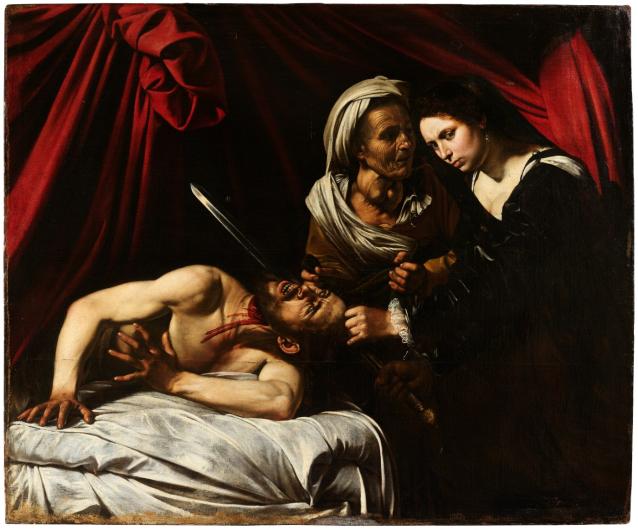
Baroque was the dominant artistic style in Europe from approximately 1600 to 1750. Emerging in Italy at the end of the Renaissance, it emphasized drama, movement, emotion, and sensory impact. Whereas Renaissance art often sought balance and ideal harmony, Baroque artists aimed to engage viewers directly, creating works that felt immediate, dynamic, and emotionally powerful.
The movement is generally dated to around 1600 because this was the period when artists began rejecting the intellectual complexity and artificiality of Mannerism. Painters such as Caravaggio introduced a new naturalism characterized by dramatic lighting, intense realism, and emotionally charged scenes. At the same time, the Catholic Church was responding to the Protestant Reformation through the Counter-Reformation, commissioning art that could inspire faith and communicate religious messages clearly to ordinary people. Baroque art became one of the Church’s most effective tools for achieving these goals.
Baroque artists used strong contrasts of light and shadow, sweeping compositions, rich colors, and theatrical effects to create a sense of movement and emotional intensity. The style flourished not only in painting but also in sculpture, architecture, and decorative arts. Major figures include Gian Lorenzo Bernini, whose sculptures seem to come alive before the viewer; Peter Paul Rubens, known for energetic compositions; and Rembrandt, who brought psychological depth to portraiture and narrative scenes.
The Baroque period is generally considered to end around 1750 because its dramatic grandeur gradually gave way to lighter styles such as Rococo and later the more restrained ideals of Neoclassicism. By the mid-eighteenth century, European tastes were shifting toward elegance, reason, and classical order, marking a clear departure from the emotional intensity that had defined Baroque art for more than a century.
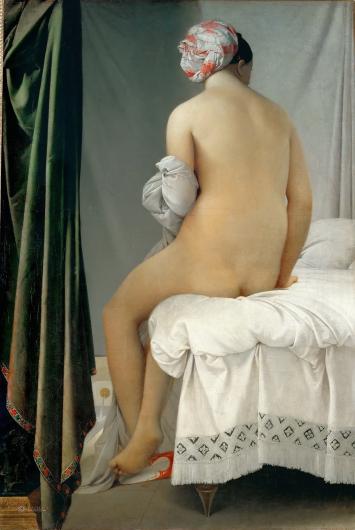
Neoclassicism was an artistic movement that flourished in Europe and North America from approximately 1760 to 1830. Inspired by the art and culture of ancient Greece and Rome, it emphasized order, clarity, rationality, and moral seriousness. In many ways, Neoclassicism was a reaction against the decorative excess and playful elegance that characterized the late Baroque and Rococo periods.
The movement is generally dated from around 1760 because of a growing fascination with the ancient world during the Enlightenment. Archaeological excavations at sites such as Pompeii and Herculaneum revealed remarkably preserved examples of classical art and architecture, sparking widespread interest in antiquity. At the same time, Enlightenment thinkers promoted reason, civic virtue, and intellectual discipline—values that many artists associated with the classical past.
Neoclassical artists sought to create works that were balanced, carefully composed, and morally uplifting. Subjects often came from ancient history, mythology, or republican ideals. Paintings emphasized clear outlines, controlled emotion, and heroic action rather than dramatic movement or theatrical effects. The movement's leading artist was Jacques-Louis David, whose works became closely associated with both the French Revolution and the era of Napoleon Bonaparte. Other important figures include Jean-Auguste-Dominique Ingres and Antonio Canova.
The movement is generally considered to end around 1830 because a new generation of artists began rejecting its emphasis on restraint and reason. The rise of Romanticism shifted attention toward emotion, imagination, individual experience, and the power of nature. While Neoclassical techniques continued to influence academic art throughout the nineteenth century, its position as the leading artistic movement had largely given way to Romantic ideals by about 1830.
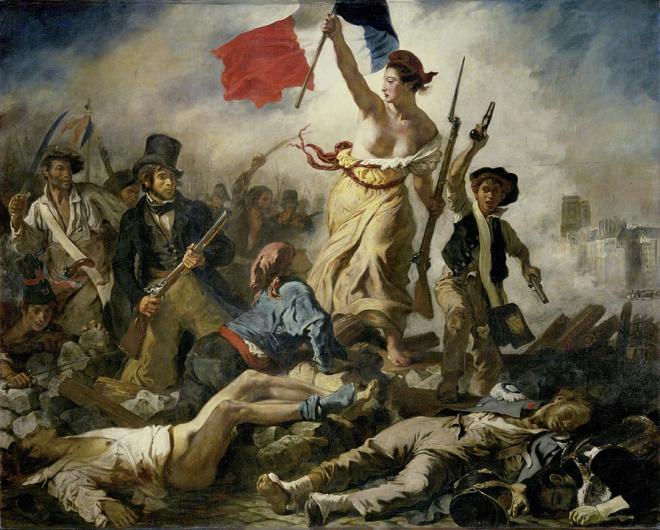
Romanticism was an artistic and intellectual movement that flourished from approximately 1800 to 1850. Emerging in Europe during a period of rapid political, social, and technological change, Romanticism emphasized emotion, imagination, individual experience, and the power of nature. It arose largely as a reaction against the rationalism of the Enlightenment and the order and restraint of Neoclassicism.
The movement is generally dated from around 1800 because this was the period when artists, writers, and thinkers began challenging the idea that reason alone could explain human experience. The upheavals of the French Revolution and the rise of industrialization led many artists to focus instead on passion, spirituality, heroism, mystery, and the sublime—the overwhelming feeling produced by nature’s vastness and power. Rather than looking to ancient Greece and Rome for models, Romantic artists often drew inspiration from medieval history, folklore, exotic cultures, and untamed landscapes.
Romantic art is characterized by dramatic compositions, intense emotion, vivid color, and a sense of movement and energy. Artists sought to evoke feeling rather than simply demonstrate technical perfection. Important figures include Francisco Goya, whose work explored human suffering and irrationality; Eugène Delacroix, known for dynamic historical scenes; and J. M. W. Turner, whose atmospheric landscapes pushed painting toward abstraction.
The movement is generally considered to end around 1850 because artists increasingly turned their attention from emotion and imagination to the realities of modern life. The rise of Realism, led by painters such as Gustave Courbet, reflected a growing desire to depict contemporary society as it actually existed rather than as it might be imagined or idealized. While Romantic themes never disappeared, Romanticism's dominance had largely passed by the mid-nineteenth century.
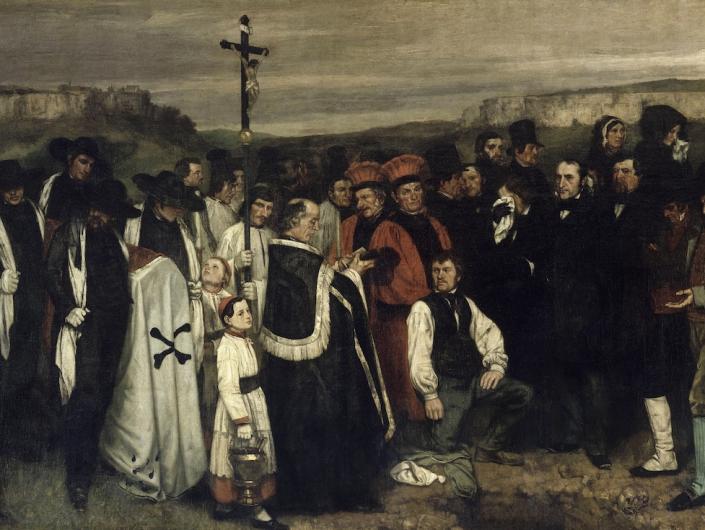
Realism was an artistic movement that emerged in Europe around 1840 and remained influential through approximately 1880. It represented a decisive break from the emotional intensity of Romanticism and sought instead to depict the world as it actually existed. Realist artists believed that ordinary people, everyday labor, and contemporary life were worthy subjects for serious art, challenging long-standing traditions that favored heroic, religious, or mythological themes.
The movement is generally dated from around 1840 because this was the period when artists began consciously rejecting Romantic idealization. Rapid industrialization, urbanization, and political upheaval—including the revolutions that swept across Europe in 1848—encouraged many artists to focus on the realities of modern society. Rather than portraying dramatic heroes or exotic subjects, Realists turned their attention to farmers, workers, city streets, and the conditions of everyday life.
The leading figure of the movement was Gustave Courbet, who argued that artists should paint only what they could observe directly. His large-scale depictions of laborers and rural life challenged the traditional hierarchy of artistic subjects. Other important Realists include Jean-François Millet, known for dignified portrayals of peasant life, and Honoré Daumier, whose work often addressed social and political issues.
The movement is generally considered to end around 1880 because a younger generation of artists became increasingly interested in perception, light, and the fleeting effects of modern life. These concerns led to the rise of Impressionism, which shifted attention away from the social and observational focus of Realism. While Realist principles continued to influence artists long afterward, the movement's central role in shaping avant-garde art had largely been overtaken by Impressionism by the late nineteenth century.
Realism was significant because it expanded the definition of what could be considered a worthy subject in art, laying the groundwork for much of modern art's engagement with contemporary life.
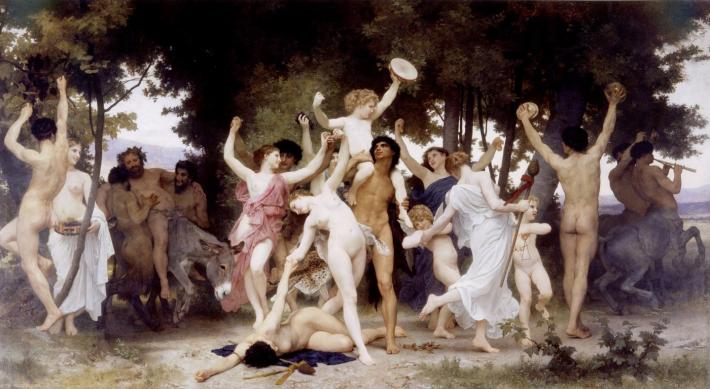
Academic Art was the dominant institutional style of European art during much of the nineteenth century, flourishing from approximately 1820 to 1900. Rather than being a single artistic movement with a unified philosophy, Academic Art refers to the standards, subjects, and methods taught and promoted by official art academies, particularly the influential Académie des Beaux-Arts in France. Academic artists emphasized technical mastery, careful drawing, polished execution, and subjects drawn from history, mythology, religion, and classical literature.
The movement is generally dated from around 1820 because this was the period when art academies reached the height of their influence over artistic training, public exhibitions, and professional success. The academy system established clear hierarchies of subject matter, placing history painting at the top and genres such as landscape and still life lower in prestige. Students underwent rigorous instruction in anatomy, perspective, composition, and classical ideals. Success at major exhibitions such as the Paris Salon often determined an artist's career.
Academic paintings were typically characterized by idealized figures, highly finished surfaces, and carefully constructed narratives. Prominent Academic artists include Jean-Auguste-Dominique Ingres, William-Adolphe Bouguereau, and Alexandre Cabanel. Their works were admired for technical excellence and often appealed to official institutions and wealthy patrons.
Academic Art is generally considered to end around 1900 because its authority was steadily undermined by a series of modern movements, including Realism, Impressionism, Post-Impressionism, and the emerging avant-garde. By the end of the nineteenth century, many of the most influential artists were working outside the academy system and rejecting its standards. Although academic training continued, the academies no longer dictated the direction of artistic innovation.
Academic Art is important because it served as the establishment against which much of modern art defined itself. Understanding the rise of modernism requires understanding what artists were rebelling against.
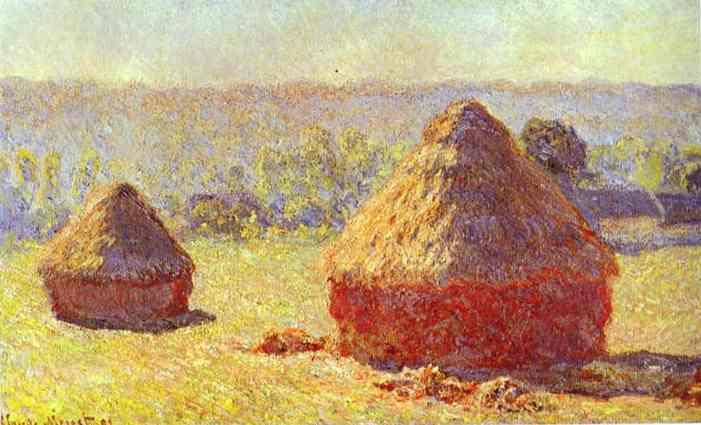
Impressionism was a revolutionary artistic movement that emerged in France around 1870 and transformed the course of Western art. Rather than focusing on historical subjects, idealized figures, or carefully finished compositions, Impressionist artists sought to capture the fleeting effects of light, atmosphere, and modern life. Their work marked a decisive break from the traditions of Academic Art and is often considered the beginning of modern art.
The movement is generally dated from around 1870 because this was the period when a group of young French artists began working outside the established academy system and exhibiting independently. They rejected the polished surfaces and rigid standards favored by the Paris Salon, choosing instead to paint contemporary scenes, landscapes, cafés, and city life. The name "Impressionism" originated from a critic's mocking response to Claude Monet's painting Impression, Sunrise, exhibited in 1874.
Impressionist artists often painted outdoors, using visible brushstrokes and vibrant colors to record the changing effects of light and weather. Rather than striving for photographic detail, they aimed to capture a momentary visual impression. Key figures include Claude Monet, Pierre-Auguste Renoir, Edgar Degas, and Berthe Morisot.
The movement is generally considered to end around 1890 because many of its leading artists began pursuing new directions. Younger painters sought to move beyond the Impressionists' focus on optical observation, exploring structure, symbolism, emotion, and personal expression. These developments gave rise to Post-Impressionism, led by artists such as Paul Cézanne, Vincent van Gogh, and Paul Gauguin.
Impressionism's lasting significance lies in its shift away from depicting what artists knew toward depicting what they saw, opening the door to the experimental movements that would define modern art.
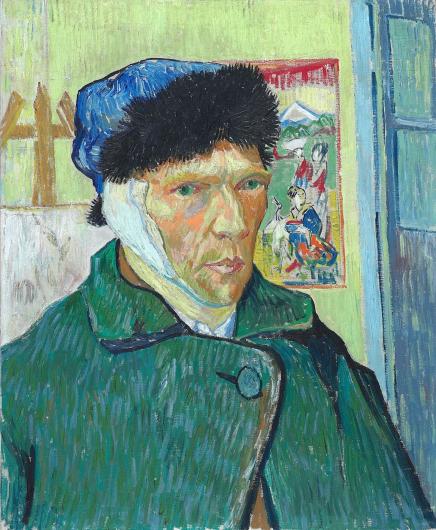
Post-Impressionism was a broad artistic movement that developed between approximately 1885 and 1905 as a response to the achievements and limitations of Impressionism. While Post-Impressionist artists admired the Impressionists' use of color and their break from academic tradition, many felt that Impressionism's focus on capturing fleeting visual effects did not go far enough. They sought to create art that expressed deeper emotional, symbolic, or structural concerns.
The movement is generally dated from around 1885 because this was the period when several artists began moving beyond Impressionist techniques in distinct but related ways. Rather than treating a painting primarily as a record of visual perception, they explored how color, form, and composition could convey ideas and emotions. Although Post-Impressionism was not a unified movement with a single style, its artists shared a desire to expand the possibilities of modern painting.
Among the most influential figures were Paul Cézanne, who sought to reveal the underlying structure of nature through simplified geometric forms; Vincent van Gogh, who used expressive color and brushwork to convey emotion; and Paul Gauguin, who emphasized symbolism and subjective experience. Their work pointed in dramatically different directions, but together they expanded the boundaries of what modern art could be.
The movement is generally considered to end around 1905 because many of the ideas pioneered by Post-Impressionist artists evolved into new twentieth-century movements. Cézanne's structural approach helped inspire Cubism, while the expressive use of color and emotion seen in Van Gogh and Gauguin influenced Fauvism and Expressionism. By the early twentieth century, a new generation of artists was developing more radical approaches that moved beyond Post-Impressionism itself.
Post-Impressionism is one of the most important movements in art history because it serves as the bridge between Impressionism and the major modernist movements that followed. Nearly every significant development in twentieth-century art can trace part of its lineage back to the experiments of Post-Impressionist artists.
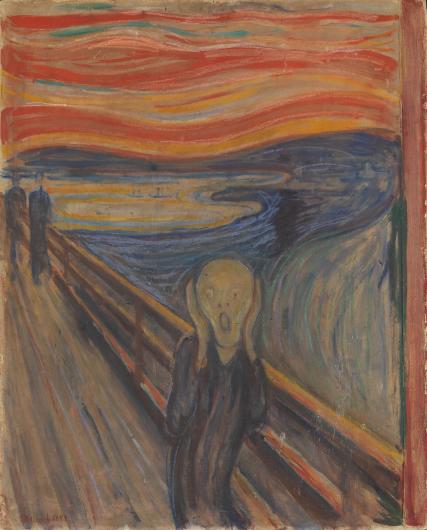
Expressionism was a modern art movement that flourished primarily in Germany and Northern Europe between approximately 1905 and 1930. Unlike Impressionism, which sought to capture the visual appearance of the world, Expressionism focused on conveying emotional and psychological experience. Expressionist artists believed that art should communicate inner feelings rather than simply record external reality, often using distorted forms, exaggerated colors, and dramatic compositions to achieve that goal.
The movement is generally dated from around 1905 because this was the year that the artist group Die Brücke ("The Bridge") was founded in Dresden. Its members rejected academic conventions and sought a more direct, emotionally charged form of artistic expression. A few years later, another influential group, Der Blaue Reiter ("The Blue Rider"), emerged in Munich, helping to broaden the movement's influence and intellectual foundations.
Expressionist artists often employed vivid, unnatural colors, simplified forms, and energetic brushwork to communicate anxiety, spirituality, alienation, or emotional intensity. Major figures include Ernst Ludwig Kirchner, Wassily Kandinsky, Franz Marc, and Edvard Munch, whose work strongly influenced the movement. Their paintings reflected both personal emotion and the social tensions of a rapidly changing modern world.
The movement is generally considered to end around 1930 because its leading phase had largely passed by that time. The devastation of the First World War altered artistic priorities, and newer movements such as Surrealism, New Objectivity, and various forms of abstraction gained prominence. The rise of the Nazi regime in Germany further disrupted Expressionism, condemning much of its work as "degenerate art."
Expressionism was significant because it shifted the purpose of art from representing the world to expressing the artist's inner experience. In doing so, it helped establish emotion and subjectivity as central concerns of modern art.
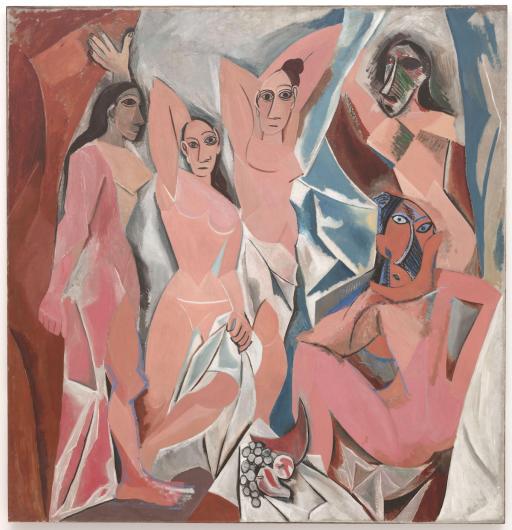
Cubism was one of the most influential movements in the history of modern art, developing between approximately 1907 and 1925. It fundamentally challenged traditional ideas about representation by abandoning the assumption that a painting should depict a subject from a single viewpoint. Instead, Cubist artists sought to show multiple perspectives simultaneously, breaking objects into geometric forms and reassembling them on the picture plane.
The movement is generally dated from 1907 because that was the year Pablo Picasso completed Les Demoiselles d'Avignon, a work widely regarded as the starting point of Cubism. Influenced by the structural experiments of Paul Cézanne and by African and Iberian art, Picasso rejected conventional perspective and began treating forms as collections of simplified geometric shapes. Together with Georges Braque, he developed a radically new approach to pictorial space.
Cubism evolved through several phases. In Analytical Cubism, artists fragmented objects into complex networks of planes and angles, encouraging viewers to reconstruct forms mentally. Later, Synthetic Cubism introduced brighter colors, simpler shapes, and techniques such as collage, incorporating newspaper clippings, wallpaper, and other everyday materials into artworks. These innovations expanded the very definition of what a work of art could be.
The movement is generally considered to end around 1925 because its most innovative period had passed. Although many artists continued working in Cubist styles, the movement's central ideas had already been absorbed into a wide range of new developments, including abstraction, Constructivism, Futurism, and modern design. By the mid-1920s, Cubism was no longer a revolutionary avant-garde movement but an established part of modern art.
Cubism is often regarded as the most important artistic breakthrough of the twentieth century because it shattered Renaissance ideas about pictorial space and opened the door to abstraction. Nearly every major modern movement that followed was shaped by its innovations.
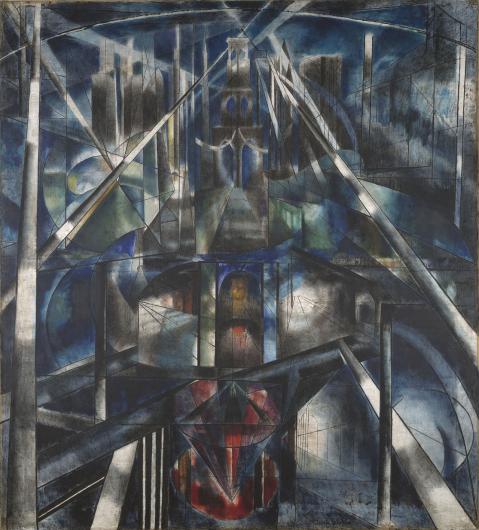
Futurism was an Italian avant-garde movement that flourished between approximately 1909 and 1916. It celebrated speed, technology, industry, machinery, and the energy of modern life. Futurist artists believed that traditional culture was holding society back and argued that art should embrace the dynamism of the twentieth century rather than imitate the past. Few movements were as aggressively committed to the idea of modernity.
The movement is generally dated from 1909 because that was the year the poet Filippo Tommaso Marinetti published the Manifesto of Futurism in the French newspaper Le Figaro. The manifesto called for a complete rejection of tradition, museums, and established cultural values, praising automobiles, machines, urban life, and technological progress. It provided both the intellectual foundation and public launch of the movement.
Futurist artists sought to depict movement and energy in ways that had never been attempted before. Influenced by Cubism, they fragmented forms into overlapping shapes, but unlike Cubists, they focused on conveying motion rather than structure. Paintings often portray figures, vehicles, or crowds in a state of continuous movement, creating a sense of speed and force. Major artists associated with the movement include Umberto Boccioni, Giacomo Balla, and Gino Severini.
The movement is generally considered to end around 1916 because the First World War disrupted its development and claimed the lives of several key figures, including Boccioni, who died that year. The war also exposed the darker consequences of the movement's glorification of violence and technological power. Although later versions of Futurism persisted, its most innovative and influential phase had effectively ended by 1916.
Futurism was important because it introduced the idea that modern art could actively celebrate the future rather than draw inspiration from the past. Its fascination with movement, technology, and industrial society influenced everything from painting and sculpture to architecture, design, and graphic art.
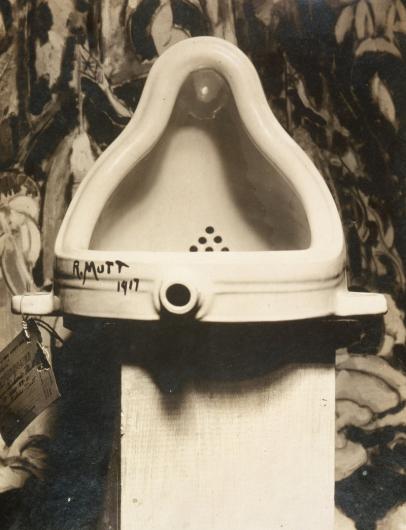
Dada was a radical artistic and cultural movement that emerged during the First World War and flourished between approximately 1916 and 1924. Unlike earlier movements that sought new ways to create art, Dada questioned whether art itself still had meaning in a world that had produced unprecedented destruction and mass death. It was intentionally provocative, absurd, and anti-establishment, challenging traditional assumptions about aesthetics, logic, and cultural authority.
The movement is generally dated from 1916 because that was the year a group of artists, writers, and performers gathered at the Cabaret Voltaire in Zurich, Switzerland. Neutral Switzerland had become a refuge for intellectuals fleeing the war, and many participants believed that the same rational, civilized society that celebrated progress had also led Europe into catastrophe. In response, Dada embraced nonsense, chance, contradiction, and satire as a form of protest against the values they believed had failed.
Dada artists rejected conventional ideas about artistic skill and beauty. The movement included performances, poetry, collage, photomontage, and found objects. The most famous figure was Marcel Duchamp, whose "readymades" transformed ordinary manufactured objects into works of art simply by placing them in an artistic context. Other important figures include Hannah Höch, Tristan Tzara, and Jean Arp.
The movement is generally considered to end around 1924 because many of its leading participants moved in new directions, particularly toward Surrealism. In that year, André Breton published the Manifesto of Surrealism, signaling the emergence of a movement that retained Dada's spirit of rebellion but sought a more constructive exploration of dreams, psychology, and the unconscious.
Dada's lasting significance lies in its challenge to the very definition of art. By questioning artistic conventions, authorship, and cultural institutions, it laid the intellectual foundation for Conceptual Art, Performance Art, Institutional Critique, and much of contemporary art. Few movements have had a greater impact on how artists think about what art can be.
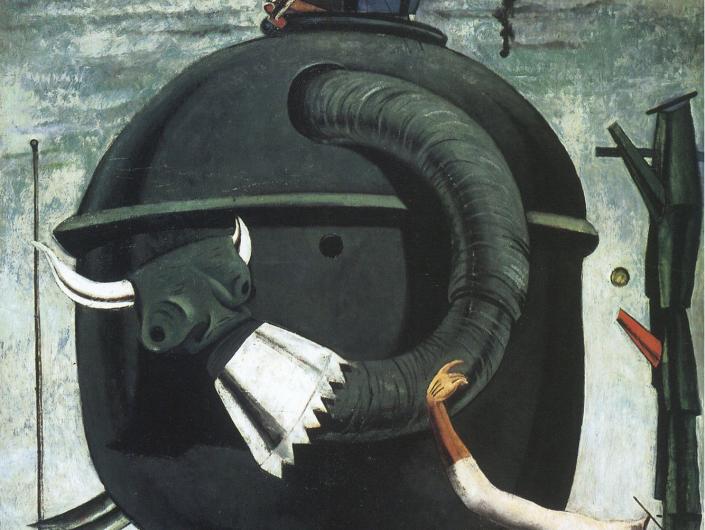
Surrealism was an artistic and literary movement that flourished between approximately 1924 and 1945. Building upon the anti-rational spirit of Dada, Surrealism sought to explore the unconscious mind and reveal realities hidden beneath everyday experience. Influenced by the psychological theories of Sigmund Freud, Surrealists believed that dreams, irrational thoughts, desires, and chance associations could provide access to deeper truths than reason alone.
The movement is generally dated from 1924 because that was the year André Breton published the Manifesto of Surrealism. Breton defined Surrealism as a means of expressing the true functioning of thought, free from the constraints of logic, morality, and social convention. This manifesto provided the movement with a coherent intellectual foundation and marked its formal beginning.
Surrealist artists developed a wide variety of techniques to bypass conscious control and tap into the unconscious. Some practiced automatism, creating works through spontaneous drawing or writing, while others painted highly realistic scenes filled with impossible or dreamlike imagery. The movement produced some of the most recognizable images in modern art. Key figures include Salvador Dalí, known for meticulously rendered dreamscapes; René Magritte, whose works challenged assumptions about reality and representation; and Max Ernst, who experimented extensively with chance-based techniques.
The movement is generally considered to end around 1945 because the Second World War disrupted its networks and dispersed many of its leading artists. By the war's conclusion, the center of artistic innovation was shifting from Europe to the United States, and new movements such as Abstract Expressionism were emerging. While Surrealist ideas continued to influence artists, Surrealism itself no longer functioned as a unified avant-garde movement.
Surrealism's importance lies in its expansion of artistic subject matter beyond the visible world. By treating dreams, memory, fantasy, and the unconscious as legitimate sources of artistic inspiration, it profoundly shaped modern literature, film, psychology, and contemporary art.

Abstract Art is a broad artistic tradition that emerged in the early twentieth century and remains an important force in contemporary art today. Unlike representational art, which depicts recognizable people, objects, or places, abstract art emphasizes elements such as color, line, shape, form, and composition. While some abstract works retain connections to the visible world, others abandon representation entirely, focusing instead on visual relationships and expressive possibilities.
The movement is generally dated from around 1910 because this was the period when artists first began creating works that no longer relied on direct representation. One of the central figures in this development was Wassily Kandinsky, who believed that color and form could communicate emotions and spiritual ideas independently of recognizable subject matter. At roughly the same time, artists across Europe were experimenting with new ways of organizing visual experience, influenced by developments in Expressionism, Cubism, and modern theories of perception.
Abstract art encompasses a wide range of approaches rather than a single style. Some artists pursued geometric order and structure, such as Piet Mondrian, while others explored spiritual or emotional expression through color and gesture. Later movements, including Abstract Expressionism, Minimalism, Color Field painting, and many forms of contemporary art, all developed within the broader tradition of abstraction.
Unlike most movements in art history, Abstract Art does not have a clear ending date, which is why it is often described as continuing to the present. Although representational art has remained important, abstraction became a permanent part of the artistic vocabulary after 1910. Rather than being replaced by a newer movement, it evolved into numerous forms and continues to influence artists worldwide.
Abstract Art is significant because it challenged one of the oldest assumptions in Western art: that the purpose of painting was to represent the visible world. By demonstrating that a work of art could derive meaning from purely visual relationships, abstraction fundamentally expanded the possibilities of artistic expression and helped shape much of twentieth- and twenty-first-century art.
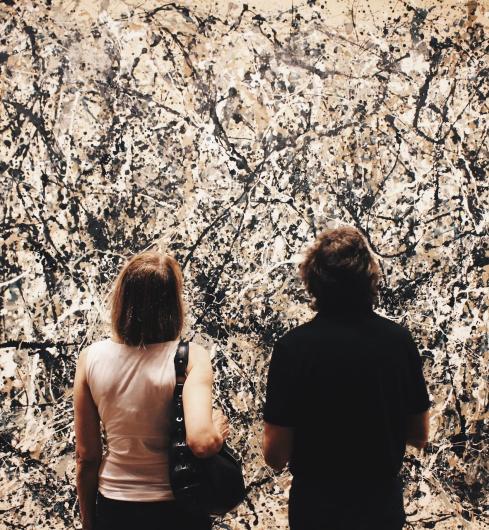
Abstract Expressionism was the first major international art movement to emerge in the United States and dominated the avant-garde between approximately 1945 and 1965. Centered primarily in New York, it marked a significant shift in the geography of the art world, which had long been centered in European cities such as Paris. Abstract Expressionist artists sought to create works that expressed emotion, psychology, and the human condition through abstraction rather than representation.
The movement is generally dated from around 1945 because the end of the Second World War created conditions for a new artistic center to emerge. Many European artists and intellectuals had fled to the United States during the war, bringing modernist ideas with them. At the same time, artists in New York were searching for a visual language capable of addressing the trauma, uncertainty, and existential questions that followed the global conflict. Their work drew upon earlier influences including Surrealism and Abstract Art but pursued a more direct and personal form of expression.
Abstract Expressionism encompassed several approaches. Some artists, such as Jackson Pollock, created large, energetic canvases through gestural techniques that emphasized the act of painting itself. Others, such as Mark Rothko and Barnett Newman, used large fields of color to evoke contemplation and emotional response. Despite their differences, these artists shared a belief that painting could communicate profound human experience without depicting recognizable subjects.
The movement is generally considered to end around 1965 because a younger generation of artists began rejecting its emphasis on personal expression and heroic individualism. Movements such as Pop Art, Minimalism, and Conceptual Art shifted attention toward popular culture, industrial forms, and ideas rather than emotional self-expression. By the mid-1960s, Abstract Expressionism was no longer the dominant force in contemporary art.
Abstract Expressionism was significant because it established New York as the center of the postwar art world and demonstrated that abstraction could serve as a powerful vehicle for emotional and philosophical meaning. Its influence continues to shape artistic practice today.
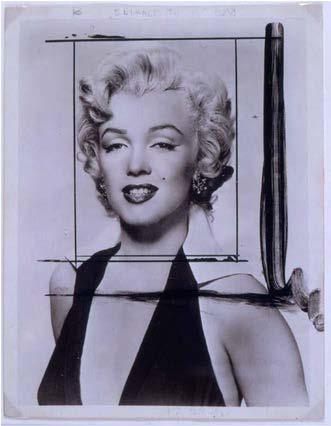
Pop Art was a major artistic movement that emerged during the 1950s and reached its peak influence between approximately 1955 and 1975. In sharp contrast to the emotional seriousness of Abstract Expressionism, Pop artists turned their attention to the imagery of everyday consumer culture. Advertisements, comic strips, product packaging, celebrities, and mass media became legitimate subjects for fine art. Pop Art challenged traditional distinctions between "high" art and popular culture, arguing that the visual language of modern life was worthy of artistic examination.
The movement is generally dated from around 1955 because this was the period when artists in Britain and the United States began systematically incorporating imagery from mass culture into their work. The movement's intellectual roots can be found in the activities of the Independent Group in London, while its most influential development occurred in the United States during the late 1950s and early 1960s. Pop Art emerged at a time of expanding consumerism, television, advertising, and celebrity culture, all of which provided new material for artists to explore.
Pop artists often employed bold colors, commercial printing techniques, repetition, and imagery borrowed directly from popular media. Important figures include Andy Warhol, whose depictions of celebrities and consumer products became iconic; Roy Lichtenstein, known for paintings inspired by comic books; and Claes Oldenburg, who transformed ordinary objects into monumental sculptures.
The movement is generally considered to end around 1975 because its central innovations had been absorbed into the broader art world. By the mid-1970s, artists were increasingly turning toward Conceptual Art, Performance Art, Minimalism, and other new directions. While Pop imagery never disappeared, Pop Art itself was no longer the primary avant-garde movement.
Pop Art was significant because it redefined what could be considered artistic subject matter. By embracing the imagery of consumer society, it helped shape much of contemporary art's ongoing engagement with media, branding, celebrity, and popular culture.

Minimalism was an influential art movement that emerged in the United States during the 1960s and flourished between approximately 1960 and 1975. Reacting against the emotional intensity and personal expression of Abstract Expressionism, Minimalist artists sought to strip art down to its most essential elements. They rejected symbolism, narrative, and visible evidence of the artist's hand, favoring simple geometric forms, industrial materials, and highly controlled compositions.
The movement is generally dated from around 1960 because this was the period when a group of artists began systematically pursuing a radically reduced visual language. Influenced by earlier developments in abstraction and modern design, they sought to create works that existed as physical objects rather than representations of something else. Instead of expressing personal feelings, Minimalist artists focused on form, scale, material, and the viewer's direct experience of the artwork.
Minimalist works often consist of repeated geometric shapes, clean lines, and industrially fabricated materials such as steel, aluminum, fluorescent lights, and plywood. Important figures include Donald Judd, who created modular sculptural forms; Dan Flavin, known for installations using fluorescent light; and Carl Andre, whose floor-based works challenged traditional ideas about sculpture. These artists aimed to eliminate illusion and encourage viewers to engage directly with the object's physical presence.
The movement is generally considered to end around 1975 because its central ideas had become widely established and began giving rise to new artistic directions. Many artists expanded upon Minimalism's emphasis on space, materials, and viewer experience, leading to developments such as Conceptual Art, Installation Art, and various post-minimalist practices. By the mid-1970s, Minimalism had shifted from a radical avant-garde position to an accepted part of contemporary art.
Minimalism was significant because it redefined the relationship between artwork, space, and viewer. By reducing art to its essential forms, it fundamentally changed how artists and audiences thought about the nature of artistic experience.