


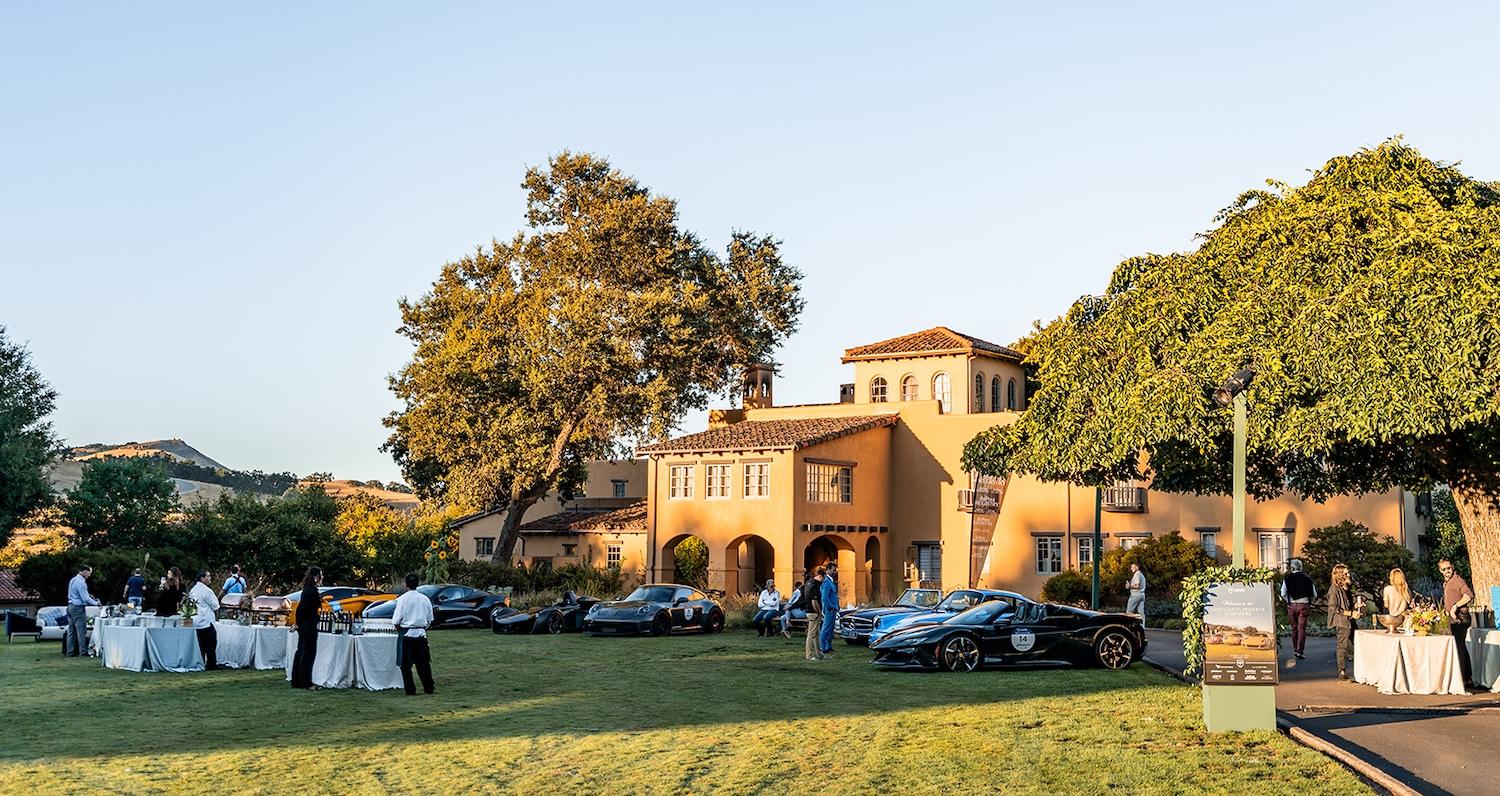
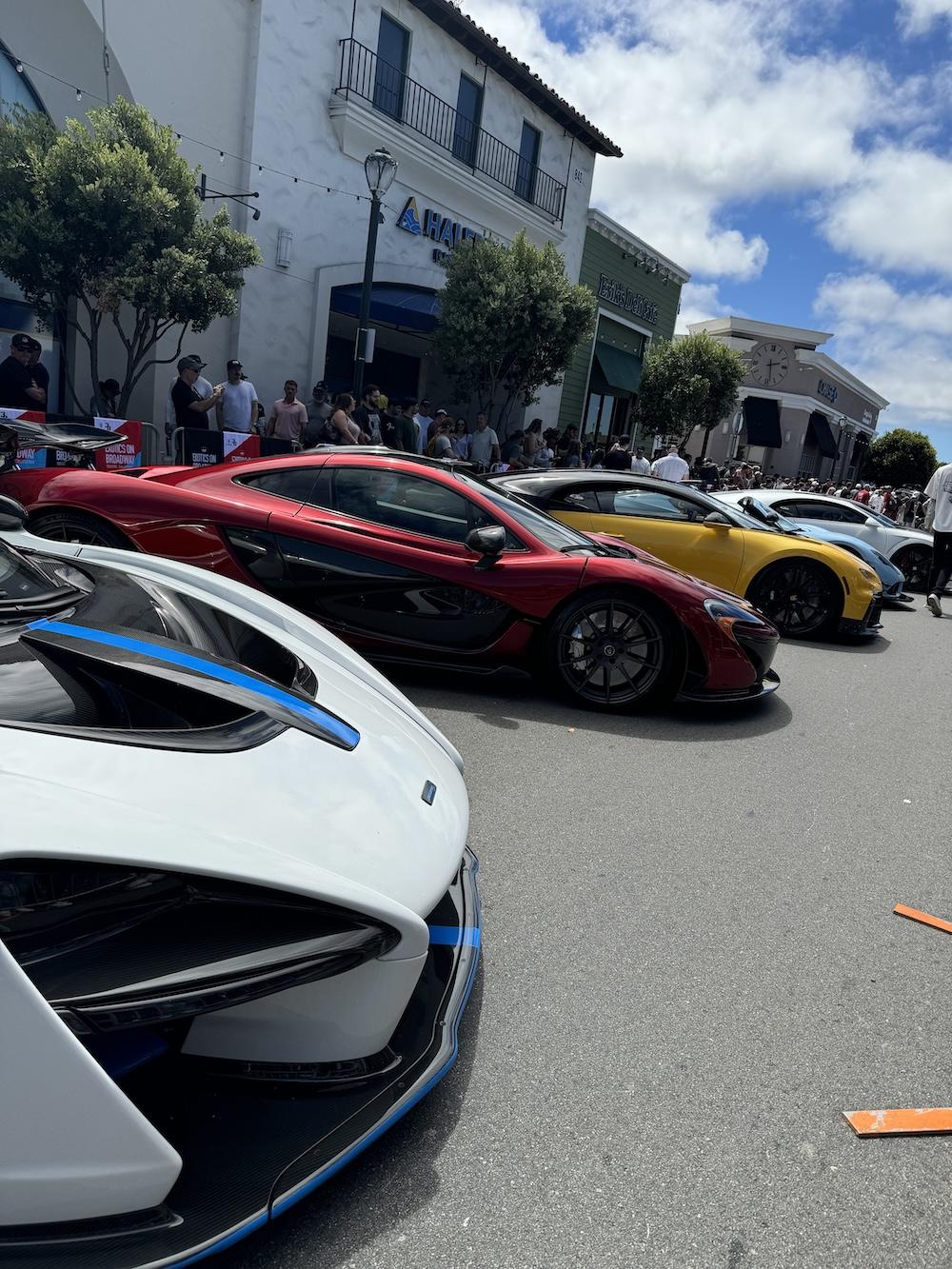
20 years ago, pre-war and antique cars made up the bulk of the annual car show, but now comprise just 15% of total sales. An influx of tech money and generational wealth is shifting the biggest buys to supercars of the 1990s and 2000s. The Hagerty Supercar Index climbed 30% over the past 12 months, while the Hagerty Blue Chip Index tracking traditional “boomer cars” fell 2% in the same period.
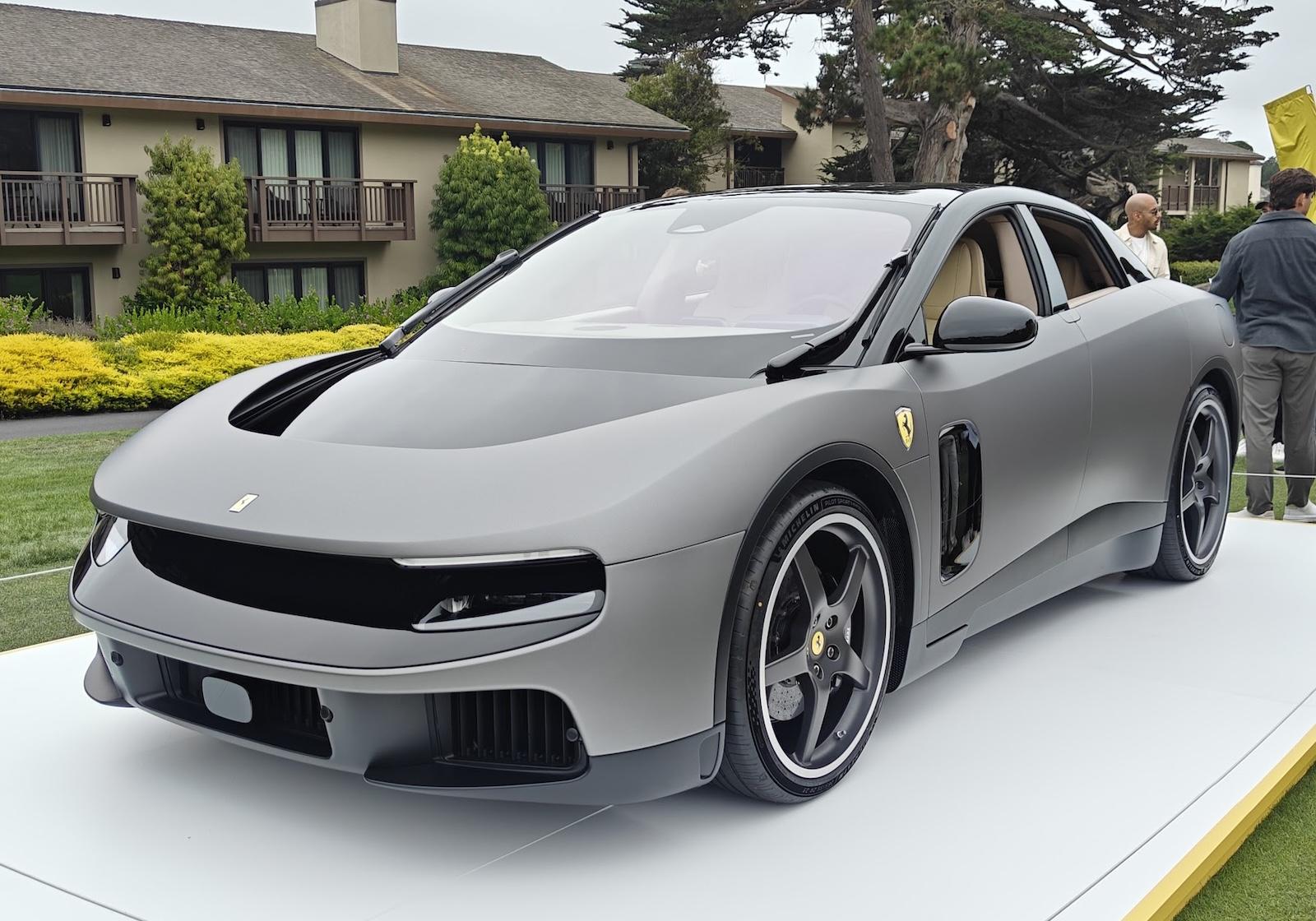
Post-war cars of the 1960s and 70s have nonetheless continued to stand their ground. A 1964 Shelby Cobra Daytona Coupe became the most expensive American car ever sold at auction for $42,905,000. And despite a polarized reception, the 2027 Ferrari Luce went for $40 million to billionaire entrepreneur Herbert Wertheim as part of a charity auction. The EV was penned by former Apple lead designers and has sold out before even being ready for customer delivery.
Since the sale benefited the Ferrari Foundation, Wertheim’s purchase could be eligible for a significant tax deduction. The IRS treats such purchases as “quid pro quo contributions,” so buyers can deduct the portion of their payment that exceeds the fair market value of the item or service received, subject to limits based on adjusted gross income. Ferrari’s EV was priced at $1.1 million.