
More than 17,000 visitors flocked to Art Basel Qatar’s inaugural edition to see 87 exhibitions from 31 countries and territories. Nearly half of both the private collectors who attended and the artists exhibited were from the Middle East, North Africa, or South Asia. The opportunity to reach new audiences was no doubt a draw for dealers struggling to defy a Western sales slump that has lasted for more than two years. Each exhibitor was asked to feature just one artist whose work could align with the theme of “Becoming.”
Whether or not Art Basel Qatar can definitively be called a success is unclear. Other Art Basel fairs have historically included closer to 200 dealers with established collector bases and well-publicized sales. In Qatar, the bulk of art patrons are part of the extended Al Thani family whose members are said to hold a collective $200 billion in wealth. Dealers also did not release confirmed sales lists to the media after previews. Whether this can be attributed to a desire for preserving buyer privacy in a more sensitive cultural environment or an indication of slow sales is hard to tell.
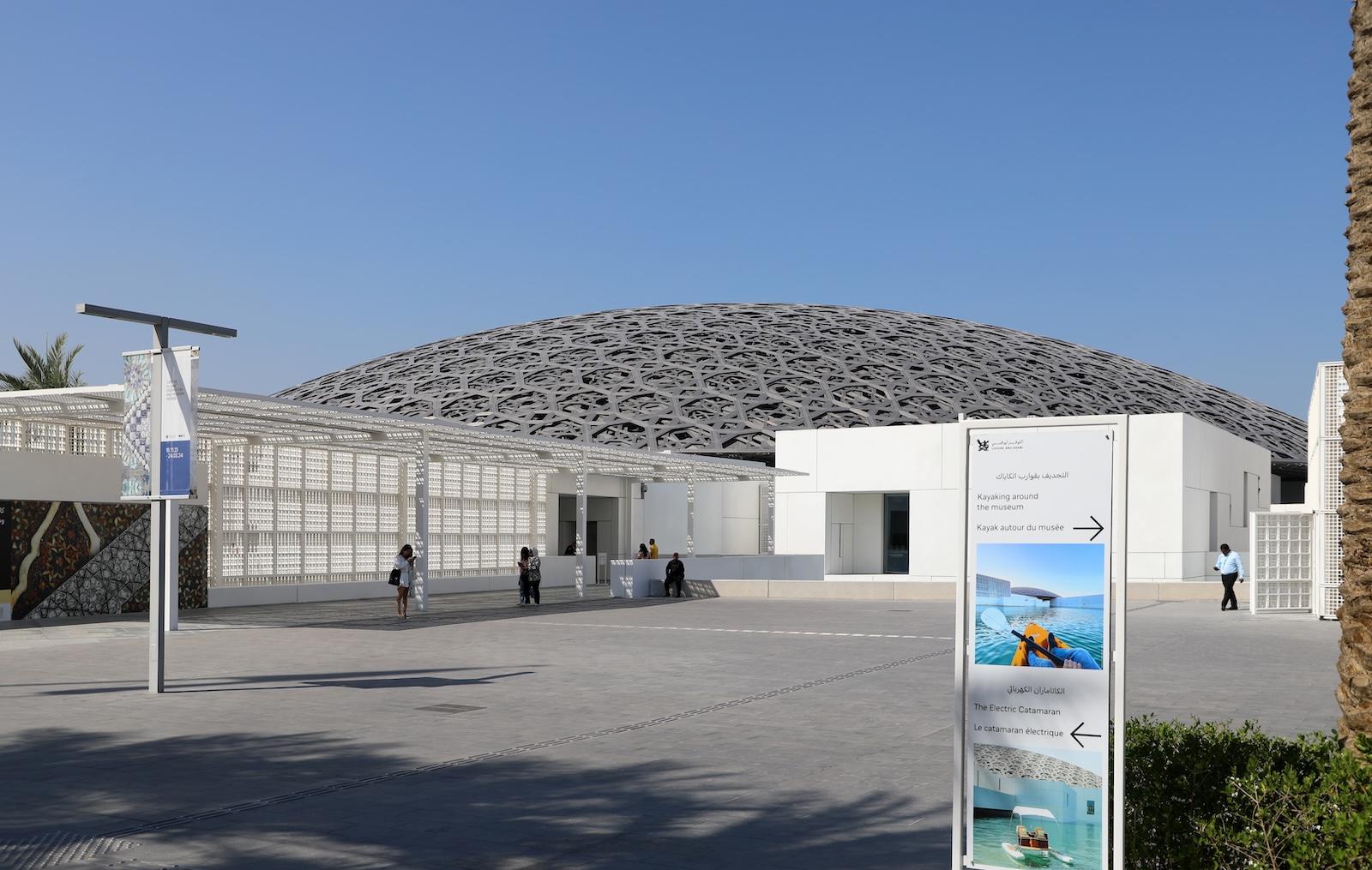
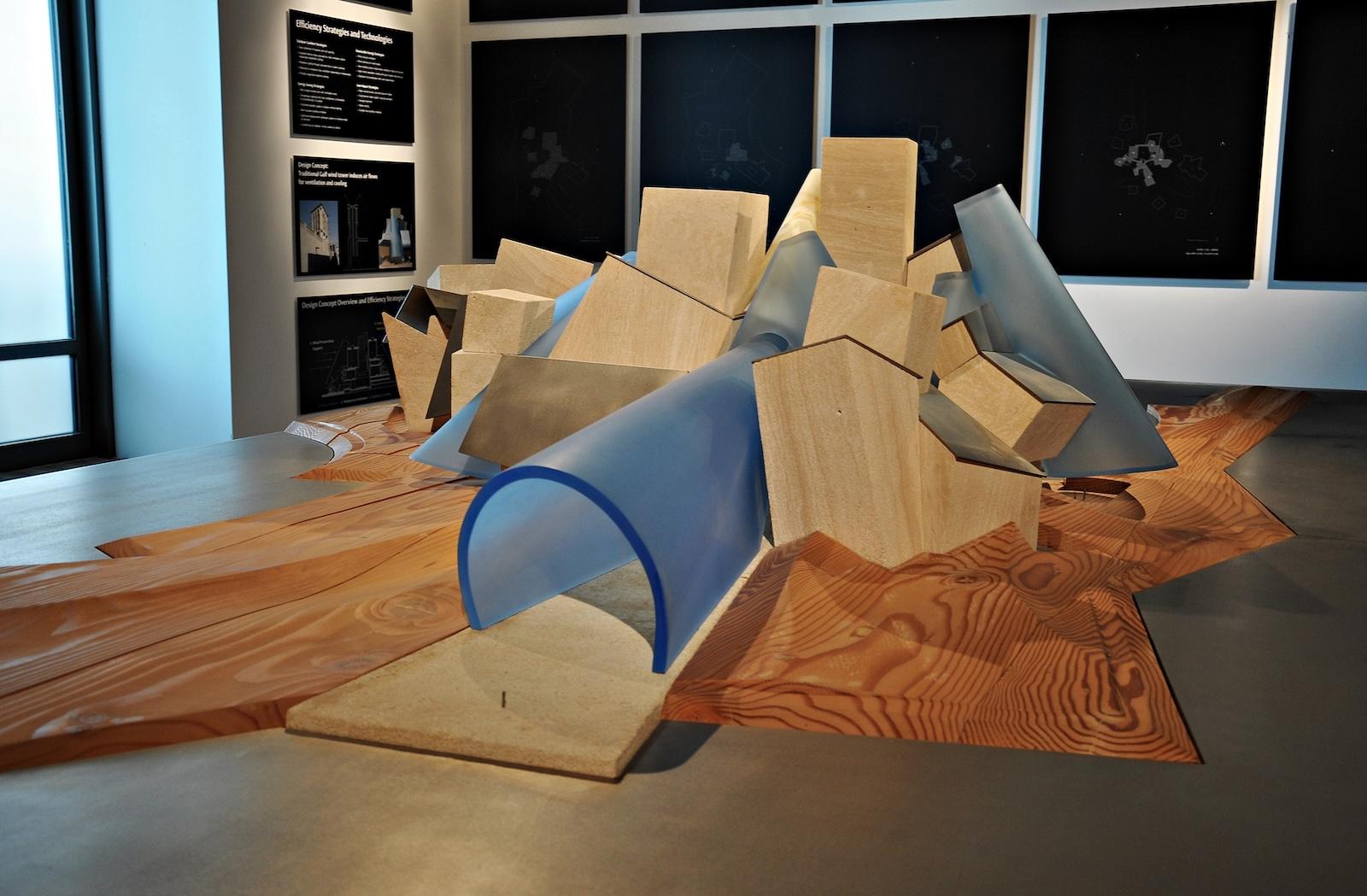
Yet, potential is undeniably high in the Persian Gulf. Qatar has the highest purchasing power per capita, and luxury spending is commonplace. A new quadrennial of contemporary art was recently announced by Qatar Museums and will open in November to align with Frieze Abu Dhabi. Interest in formal art institutions is also steadily increasing. The Zayed National Museum and the Natural History Museum both opened in December 2025, while Frank Gehry's Guggenheim Abu Dhabi is set to welcome the public later in 2026. Louvre Abu Dhabi has continued to draw crowds since its 2017 opening.


.JPG)