

Isamu Noguchi merged traditional Japanese techniques with modernist silhouettes in his Akari light sculptures, made from washi paper over bamboo ribbing. Their handmade fragility gave impermanence a tangible form. A late-20th-century European translation of wabi-sabi came from Axel Vervoordt, who began crafting interiors of lime-plastered walls, natural color palettes, reclaimed materials, and overlooked antiques. A new look of worn minimalism became aspirational for many. In a different way, Ron Arad’s 1981 Rover chair—an upcycled Rover P6 car seat mounted on bent-steel tubes—turned a mass-produced object into high-end design. This widened the wabi-sabi idea to include recontextualized manufactured parts.
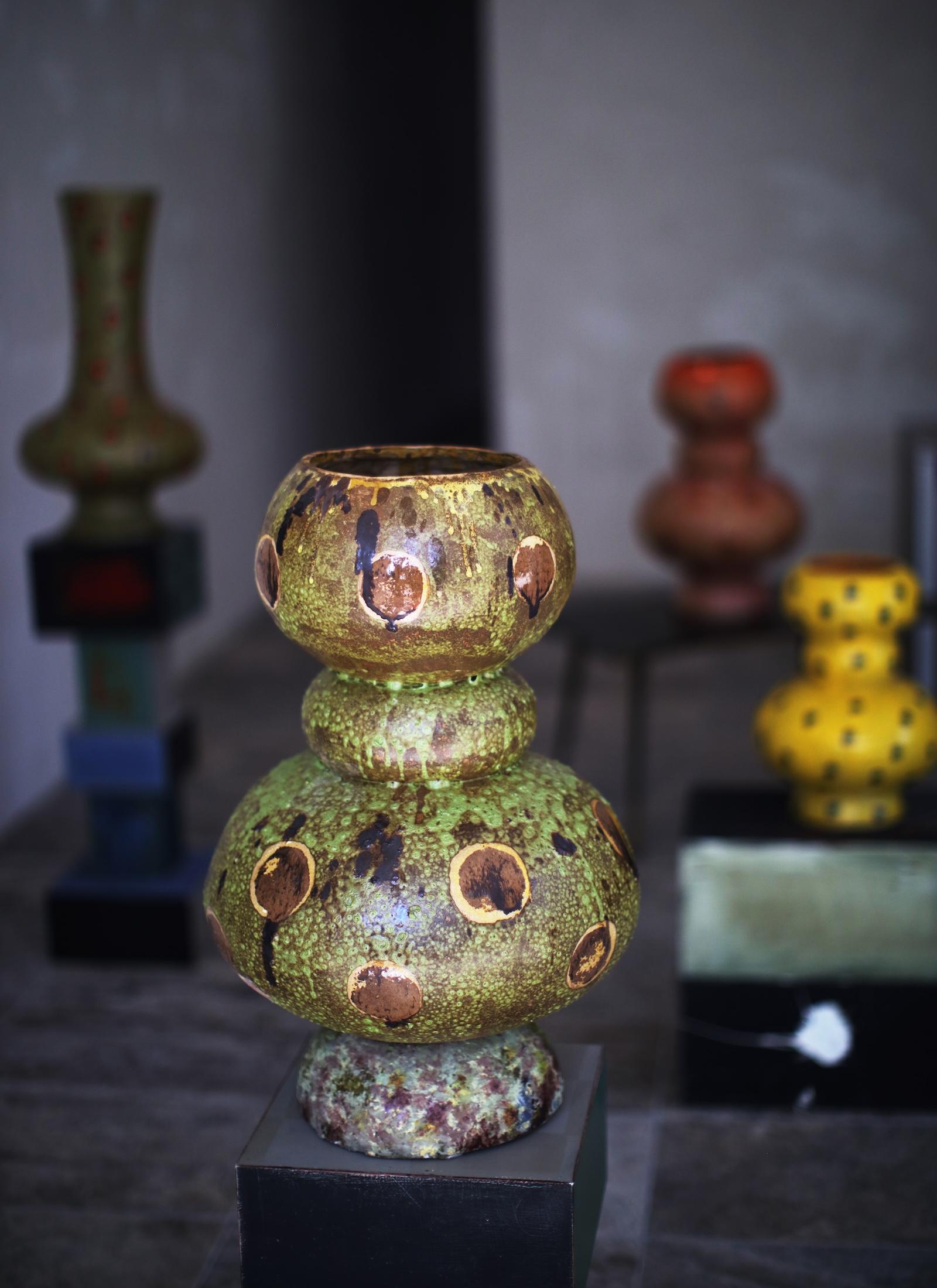
Today, many artists and designers use salvage and deadstock materials, embrace bubbles in glass art and freeform glazes on pottery, and let fabrics fray and fade. The point is to treat accidents and aging as collaborators, rather than enemies.
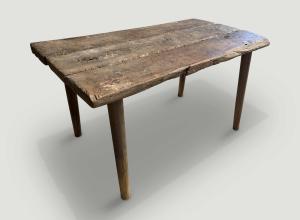
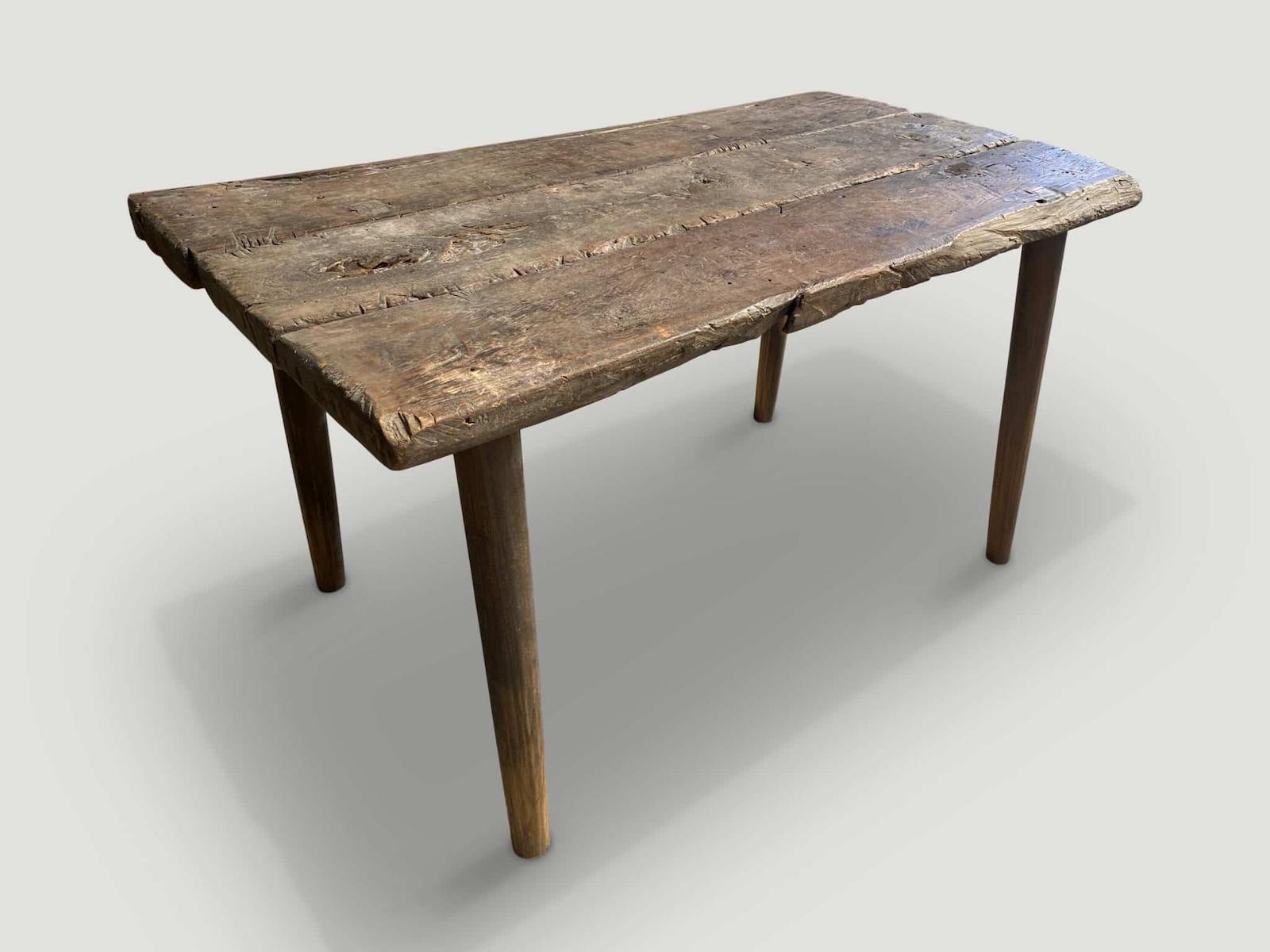
Shamaris has pursued that approach for decades in her furniture collections crafted from weathered wood and repurposed antiques. “My motto has always been ‘perfection is imperfection,’” she says. “Newly made pieces, to me, feel soulless.” Thompson adds, “Imperfect surfaces draw in the eye. Visually, you move across and around them, whereas a flat or perfect surface stares straight back at you.”
In Japan, wabi-sabi has seeped into the wider culture. Naoki Sato’s design gallery Somewhere Tokyo represents several makers who display a certain wabi-sabi savvy, including straw artist ARKO and woodworker Hiroyuki Nishimura. ARKO composes her wall sculptures from rice straw left behind after the harvest, recalling the Buddhist emphasis on the transient nature of everything. “The fragile life of the rice plant is directly incorporated into her works,” Sato explains. “In them, one may see a sense of mujōkan, awareness of impermanence, and a beauty in things that are not eternal.”
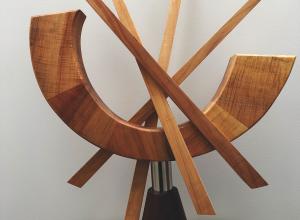
Nishimura carves functional sculptures from fallen trees and discarded timber in the form of funky stools and teetering shelves, whose natural cracks can deepen over time. “The characteristic of his work lies in leaving things raw, keeping the nuance as it is, and bringing the piece to completion in that state,” Sato says.
However, Sato points out, “Nishimura’s works, when seen by Japanese people, may not really feel like wabi-sabi. If they appear that way to Western eyes, it may be because, unconsciously, his sensibility as a Japanese person is expressed in them.” He adds, “For us in Japan, the sense of wabi-sabi is ingrained, even if we are not aware of it.”
*This article originally appeared in Art & Object Magazine's Winter 2026 issue.