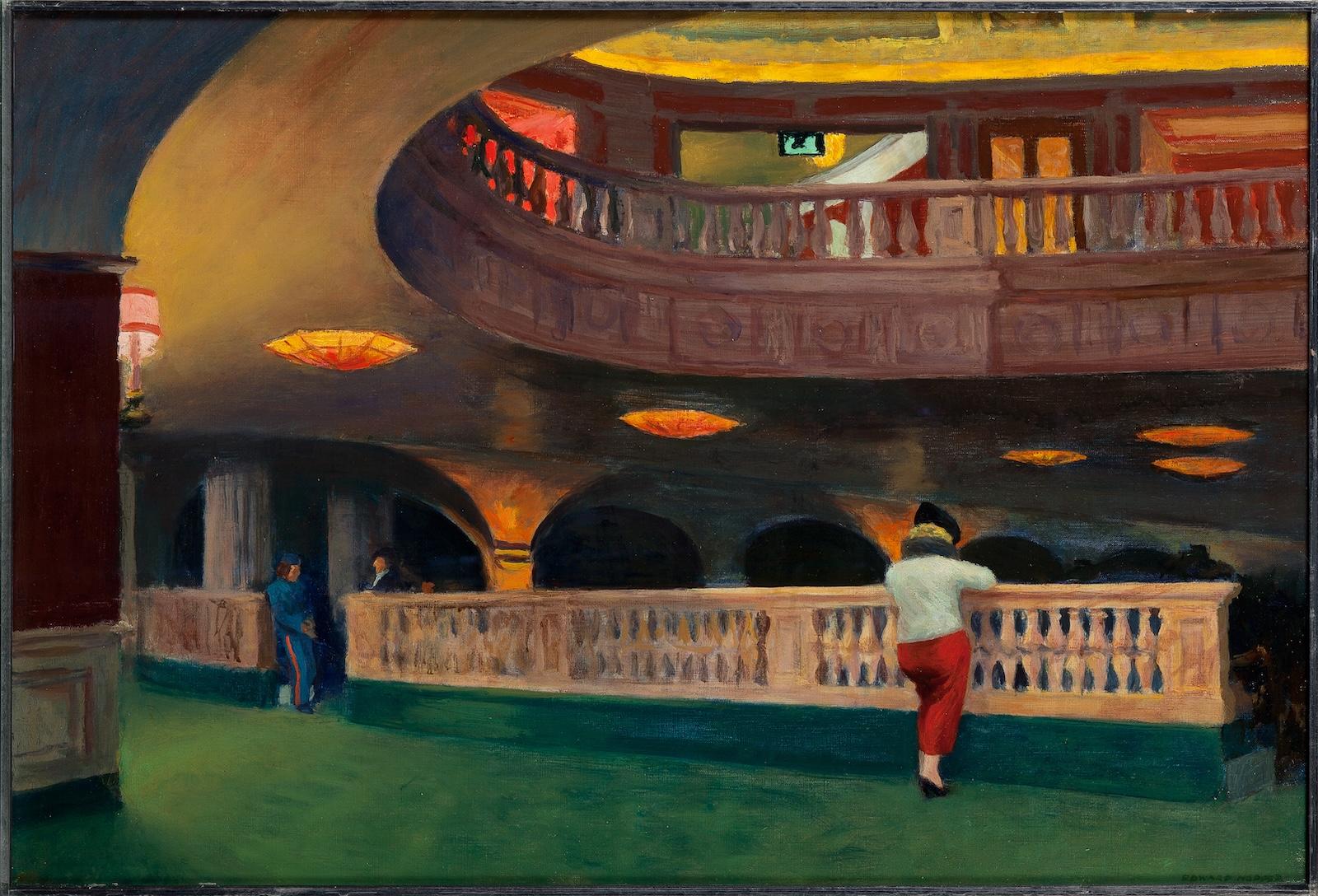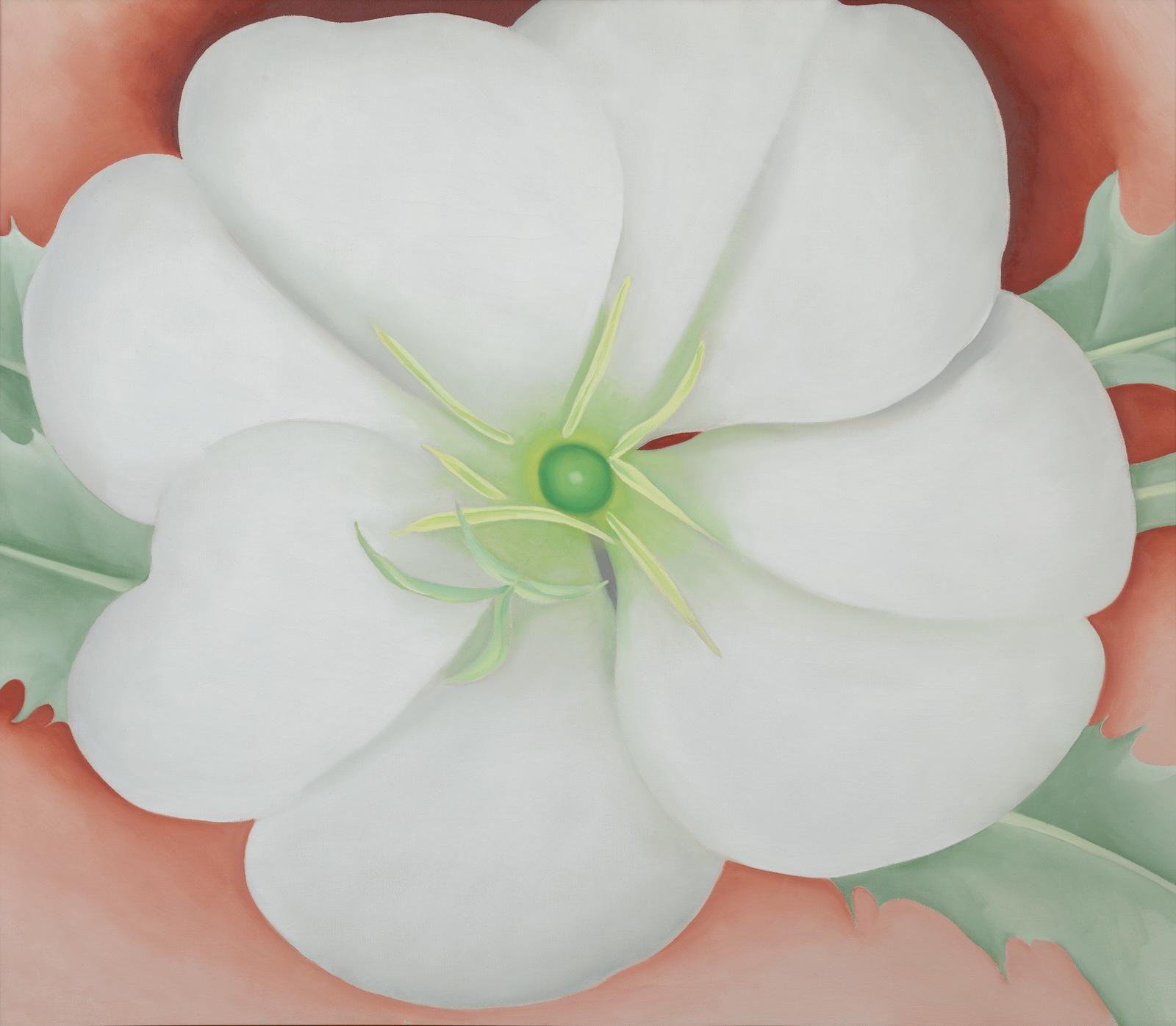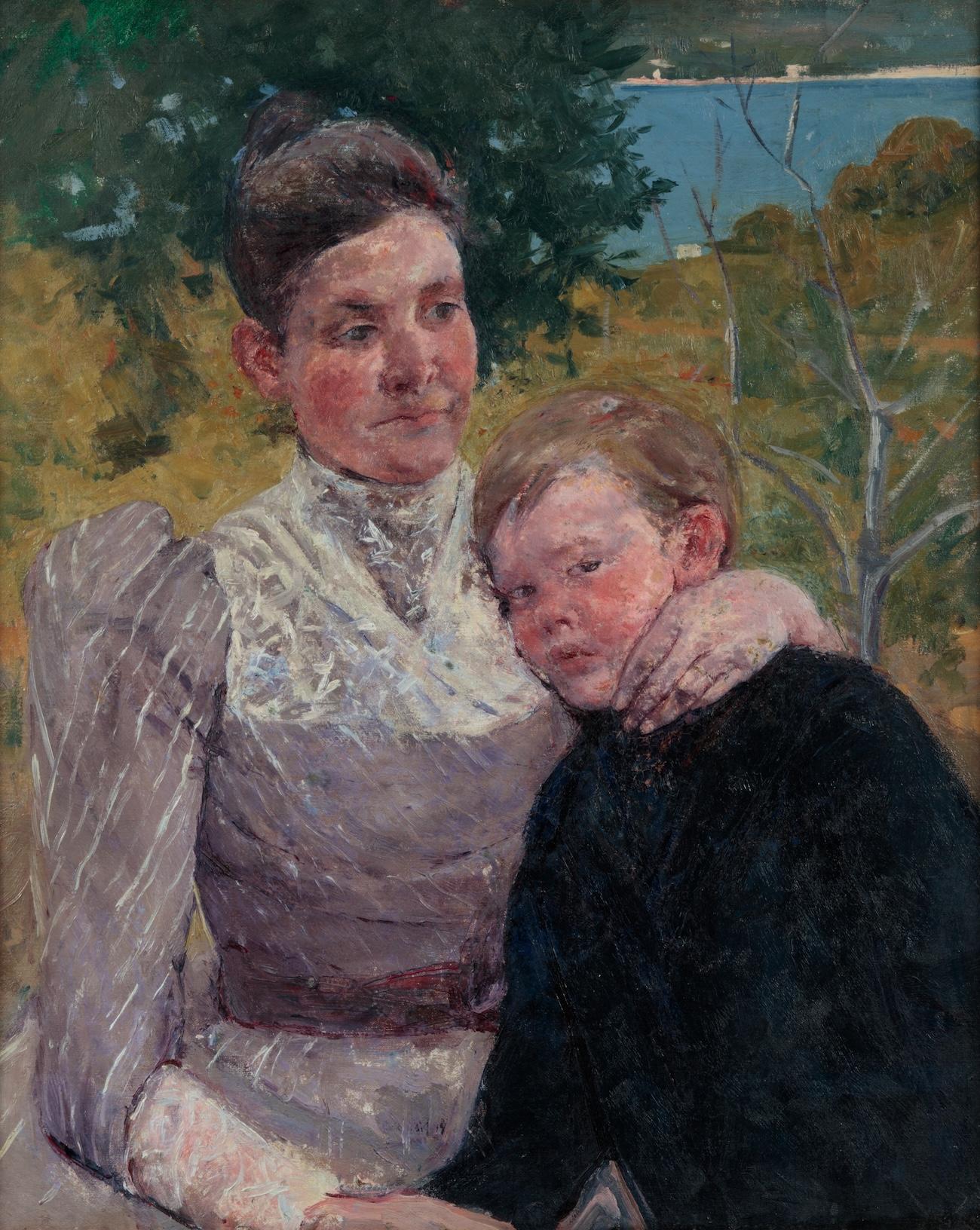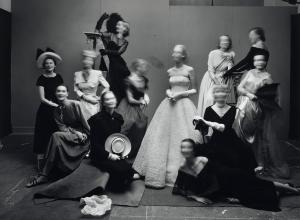


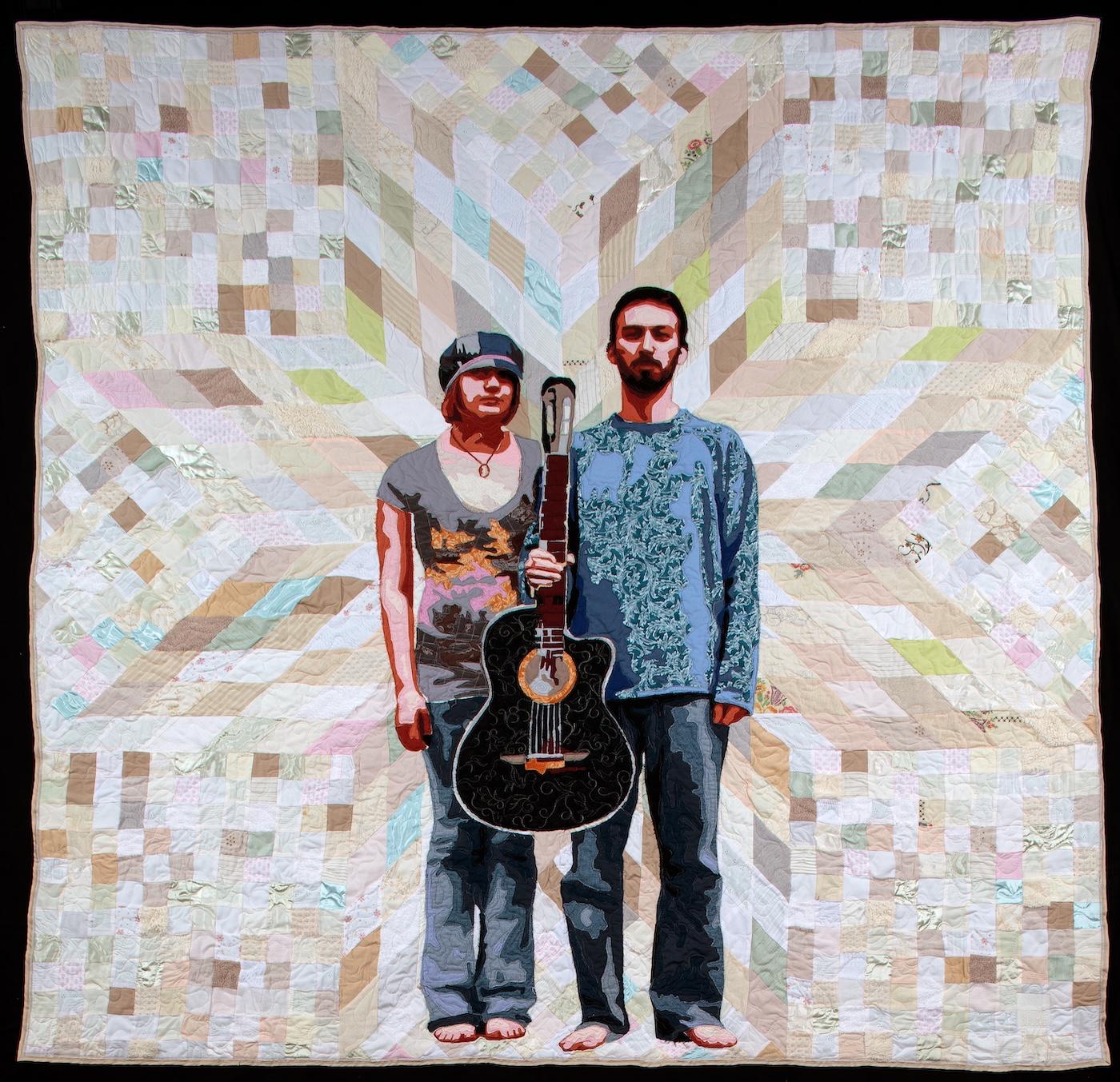
The exhibition will be amplified by a full year of programming, including in-gallery performances and community days. A community response group made up of diverse members from throughout the region will contribute their own narratives and responses to the art on view throughout the run of the show. Audiences will also be invited to engage with questions anchoring each of the thematic sections.
“This exhibition reflects the Bruce Museum’s commitment to creating meaningful connections through art and storytelling,” said Mary-Kate O’Hare, Ph.D., Susan E. Lynch Executive Director and CEO of the Bruce Museum, who previously served as a curator of American art at the Newark Museum. “This partnership allows us to bring one of the nation’s most significant American art collections to new audiences while creating space for reflection on the many stories that shape our shared history. Coinciding with America’s 250th, the exhibition encourages our guests to consider where we’ve been, where we are, and where we’re going.”
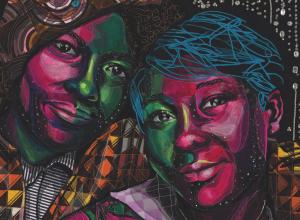
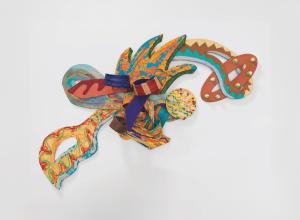
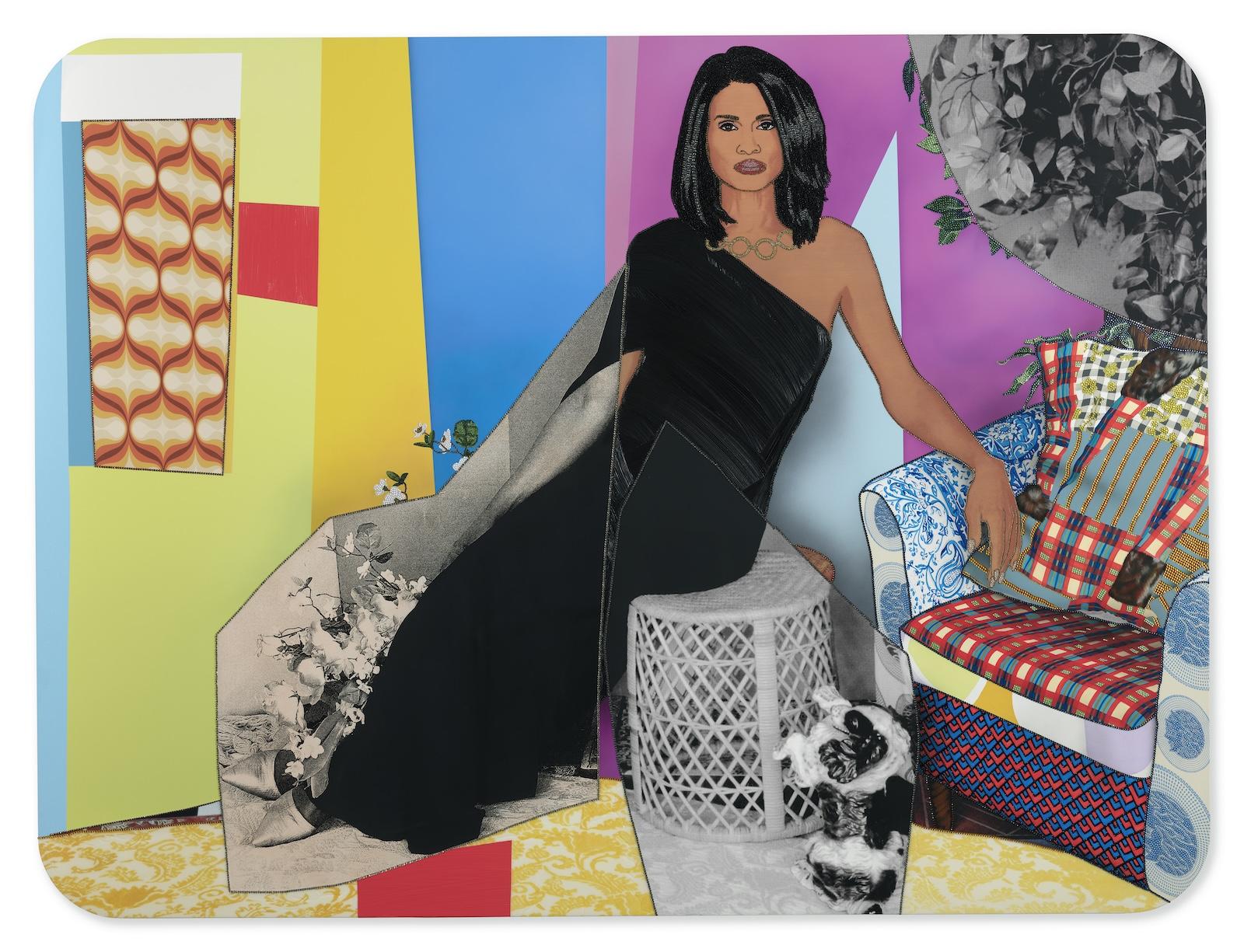
Organized around four themes of identity, belonging, belief, and making, the exhibition traces how artists have shaped our understanding of America, past and present. These sections create unexpected conversations between historic and contemporary works: John Singer Sargent’s “Mrs. Charles Thursby” (c. 1897-1898), placed alongside Mickalene Thomas’ “Isn’t She Lovely, Tracey Norman” (2022), asks viewers to consider how portraiture shapes perceptions of identity, beauty, and belonging across generations; a landscape by Albert Bierstadt and still life by O’Keeffe reveal nature not simply as scenery but as a force that shapes memory and self-understanding. Other highlights on view include Edward Hopper’s “The Sheridan Theatre” (1937) and sculptures by Alexander Calder, Louise Nevelson, and Martin Puryear.