Gallery  May 18, 2026  Jane Horowitz

Los Angeles Rewrites the Story of American Democracy at the Autry

Courtesy of the Autry Museum of the American West

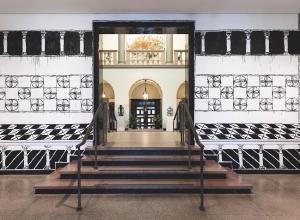
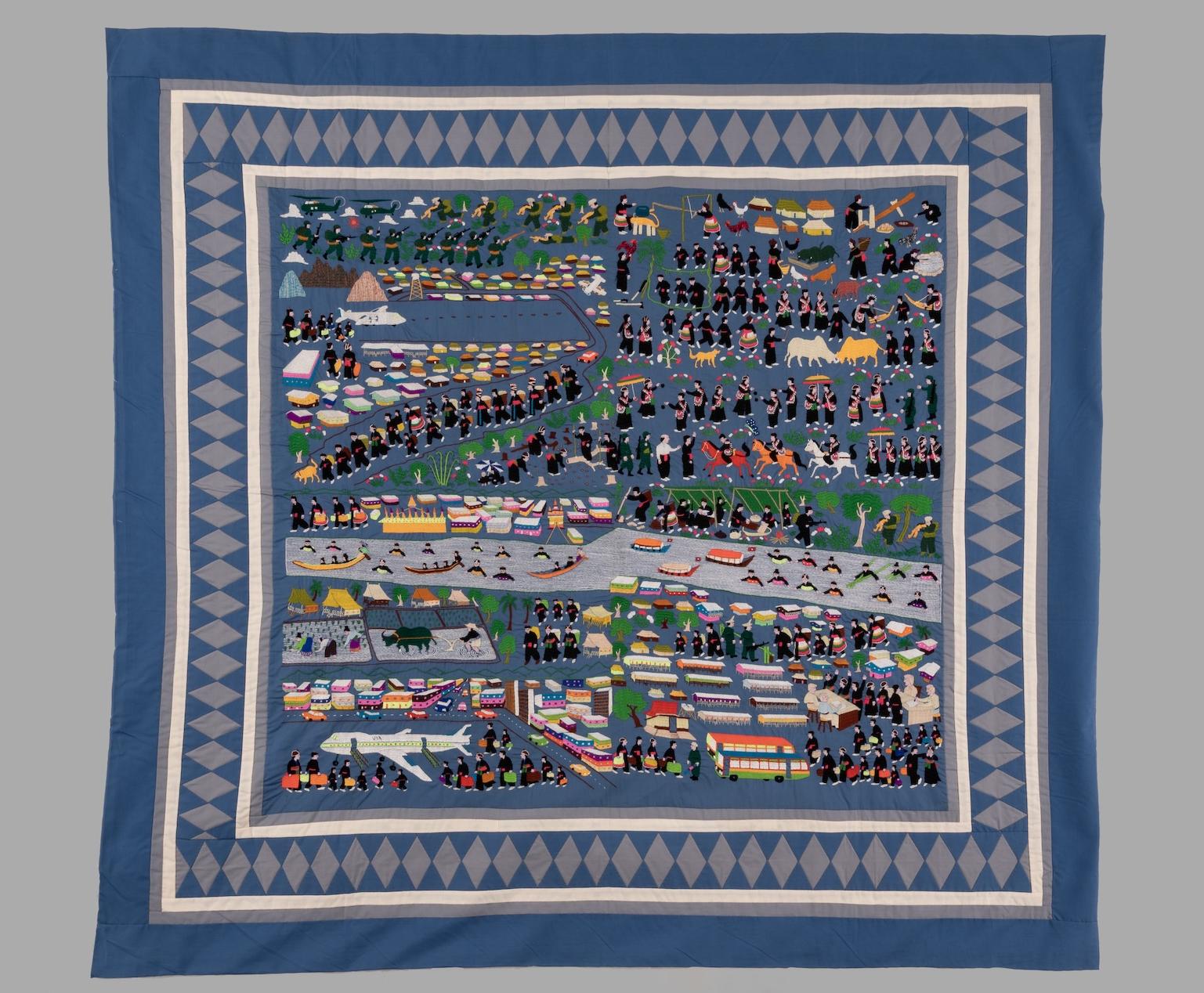
See Lee, Hmong story quilt, c1980, cotton, Museum Purchase.

As the nation approaches the 250th anniversary of the Declaration of Independence, the Autry Museum of the American West is shifting the lens westward. In Life, Liberty, and Los Angeles, opening May 30, the museum reframes the founding ideals, not as settled history, but as questions still being argued over in Los Angeles. Rather than retelling a familiar East Coast origin story, the presentation positions LA—a city whose mythic promise has repeatedly collided with histories of exclusion, displacement, and protest—as a place where those principles are continually tested. 

As its starting point, the project takes one of the Declaration’s most enduring phrases—life, liberty, and the pursuit of happiness—and asks how those ideas have been interpreted locally. “It really isn’t meant to be a textbook history of LA,” said Carolyn Brucken, the Autry’s senior curator. “We pulled out moments and stories and objects […] where you see ideas about freedom, independence, or rights.”

Courtesy of the Autry Museum of the American West

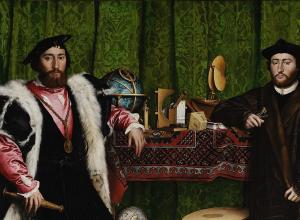
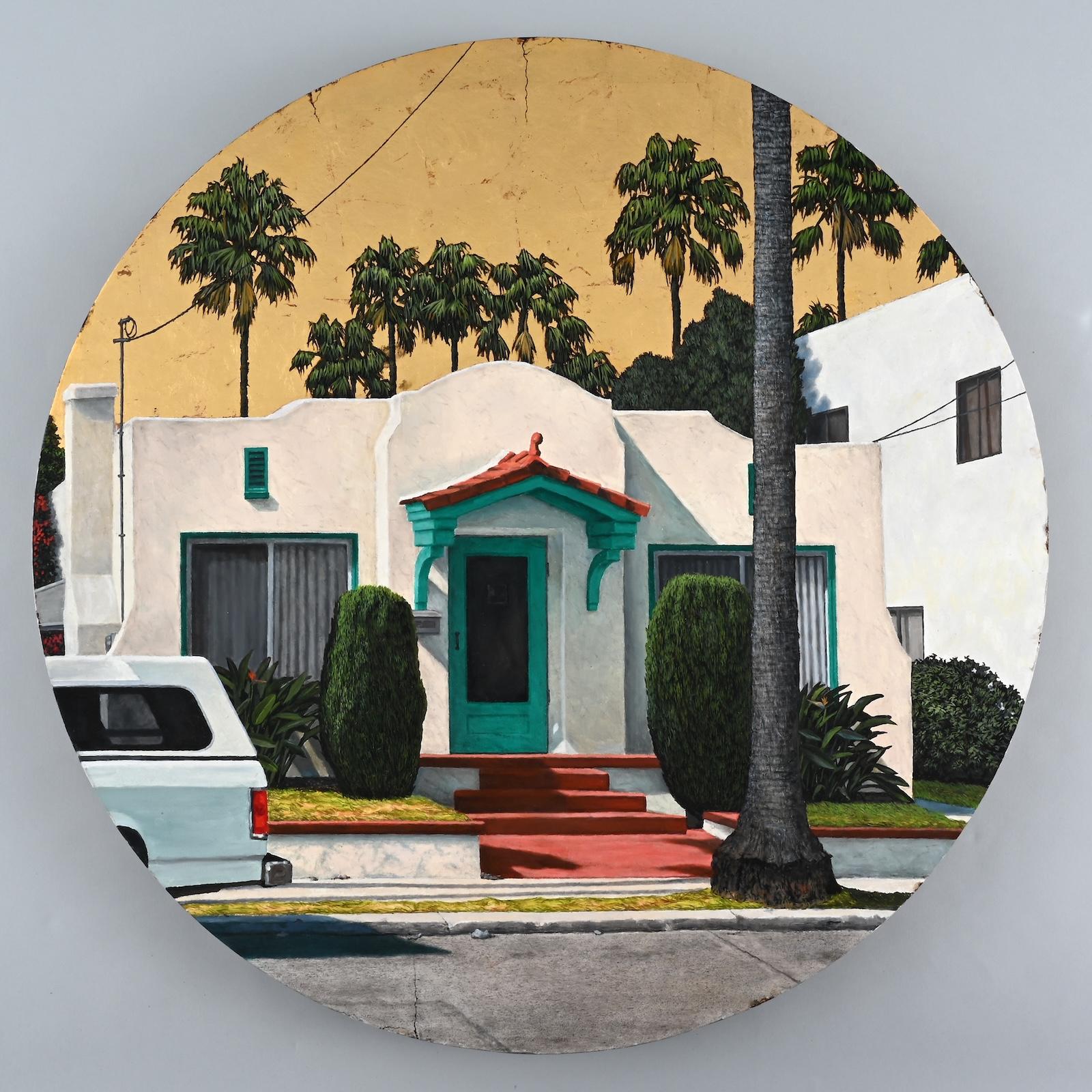
Robert Ginder, Palace, 2022, oil and gold leaf on wood, Museum Purchase. 

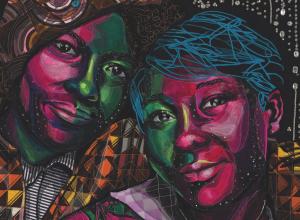
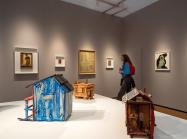
The 125 objects on display are deliberately eclectic. Political buttons, family photographs and papers, commissioned installations, and even a 1967 Mark VII vehicle from Disneyland’s Autopia attraction sit alongside contemporary artworks. Among them is Chemehuevi artist Cara Romero’s Oil and Gold (2021), in which Romero and artist Leah Mata Fragua’s daughters pose in front of a South Bay refinery, linking Indigenous presence to the environmental costs of industry. For Brucken, the juxtaposition is key: “Objects are a form of historical evidence,” she said, “but art is almost like expert witness testimony.”

At first glance, a museum devoted to the American West might seem an unlikely venue for a meditation on the Declaration. But for the curators, Los Angeles offers a vantage point that reveals the nation’s founding values as ongoing struggles. Brucken pointed to a broader historical position: “To understand the future of America, you have to understand LA.”
That argument unfolds through a loosely structured sequence that favors thematic connections over strict chronology. The exhibition opens with a Tongva-language soundscape, placing many visitors in the position of outsiders before inviting them to consider what “life, liberty, and the pursuit of happiness” might mean in Los Angeles

Courtesy of the Autry Museum of the American West

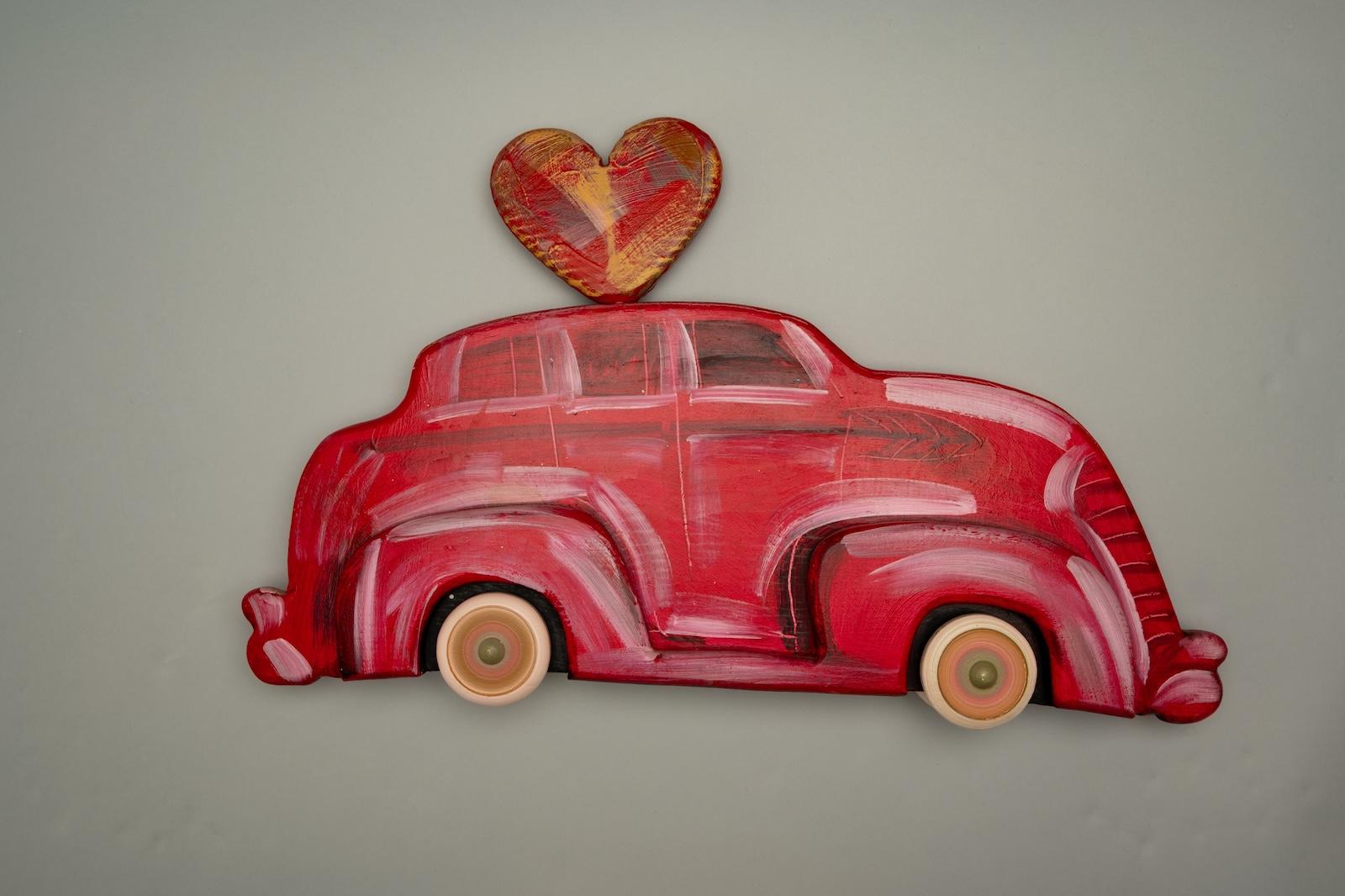
Frank Romero, Carro con Corazon (Rojo), 1987, paint; wood, Museum Purchase. 

Brucken noted the “City of Dreams” section explores how the booming industries of real estate, Hollywood, oil, and citrus “attracted waves of new arrivals” drawn to the city to pursue opportunity. Car culture is represented by Frank Romero’s painted sculpture Carro con Corazon (Rojo) (1987), while posters for Disney’s Autopia appear both as promotional imagery and as physical artifact, framing car culture through a lens of fantasy.

Courtesy of the Autry Museum of the American West

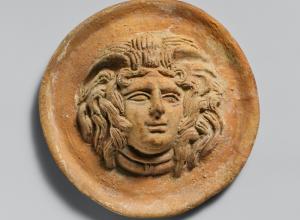
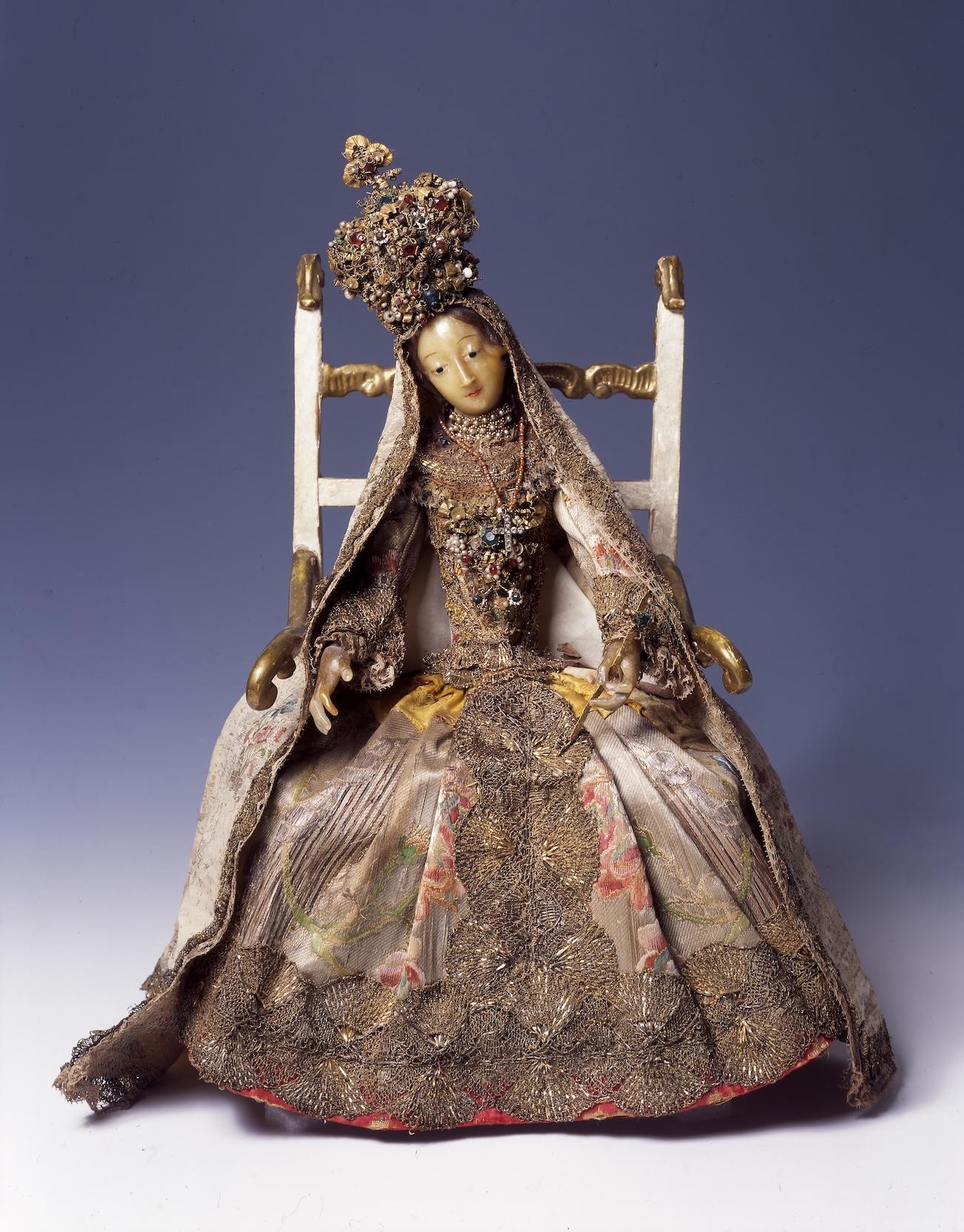
Artist Unknown, Our Lady Queen of Angels, 1700s, wax; wood; glass; brocade; brass; paint, The Caroline Boeing Poole Collection, Gift of Colonel John Hudson Poole. 

That tension between aspiration and reality runs throughout. Los Angeles has long marketed itself as a place of reinvention, yet its history also reveals deep inequities. Zoning policies and racial covenants helped shape an unequal housing landscape even as the city became a site of activism around fair housing and civil rights. The result is a portrait of a place that can function as both advocate and antagonist in struggles over who belongs.

Immigration emerges as a central theme as well. A section focused on post-1965 Los Angeles traces demographic shifts tied to the Immigration and Nationality Act and the Civil Rights era, while archival materials revisit earlier flashpoints—including the 1931 Mexican deportations and California’s Proposition 187 in 1994, which sought to restrict public services for undocumented immigrants. 

A section titled “Towards LA2026” brings that history into sharper focus, tracing the forces that reshaped the city’s population in the second half of the 20th century. That framework takes on added urgency in the exhibition’s accompanying essay, where Brucken and Autry Chair of Western History Virginia Scharff address the present moment. “We did not anticipate that the commemoration would take place in the midst of such fierce political battles across the nation and amid danger to the future of democracy,” they write.

Courtesy of the Autry Museum of the American West

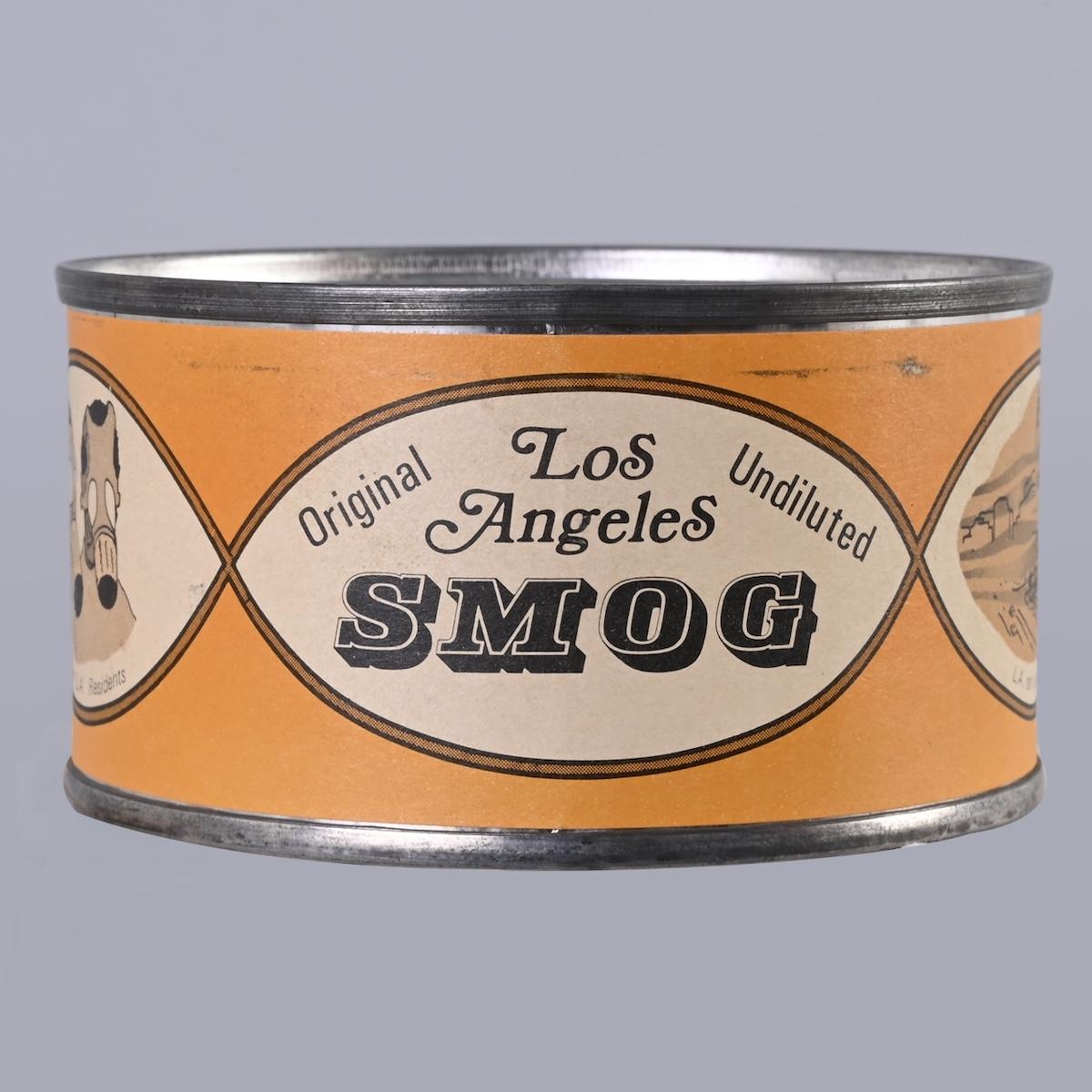
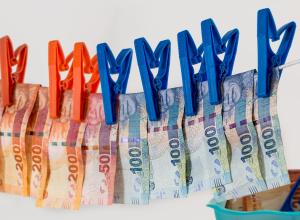
Sold by House of Hale, Los Angeles, Original Undilluted Los Angeles Smog, Metal; air Museum Purchase.

The essay references recent immigration raids in Los Angeles, the presence of the National Guard, and the protests that followed. Those long-standing tensions carry into the galleries. Protest signs from “No Kings” marches by Lalo Alcaraz and Dustin Metz appear alongside drawings by John LeeWong referencing the Chinese Exclusion Act of 1882 included in the 2021 documentary Buried History and VHS footage documenting live coverage of the 1992 Los Angeles uprising. Together, they trace a throughline of unrest that has shaped the city across generations.

Ultimately, Life, Liberty, and Los Angeles asks a deceptively simple question: Who, in this city, has truly been free to pursue these founding ideals? It does not offer a single answer. Instead, it assembles a chorus of voices, inviting visitors to draw their own conclusions. In that sense, the show is less a commemoration than a challenge: to see the Declaration, not as a finished document, but as an unfinished project still being contested on the ground in Los Angeles.

34.148599510771, -118.28121315

Life, Liberty, and Los Angeles
Start Date:
May 30, 2026
End Date:
January 3, 2027
Venue:
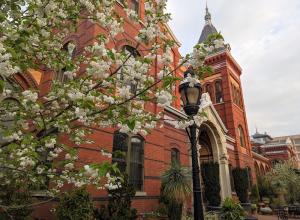
Autry Museum of the American West
About the Author

Jane Horowitz

Jane Horowitz is a Los Angeles-based arts journalist whose writing has appeared in the Los Angeles Times, FAD magazine, and Art NowLA, among others. Her reporting spans the contemporary art world, with interviews featuring artists such as Amy Sherald and Elmgreen & Dragset.

Subscribe to our free e-letter!

Webform
Art and Object Marketplace - A Curated Art Marketplace
Loading categories...