

At Large  March 17, 2026  Megan D Robinson

Artists Fight for Intellectual Property Rights

WikiCommons

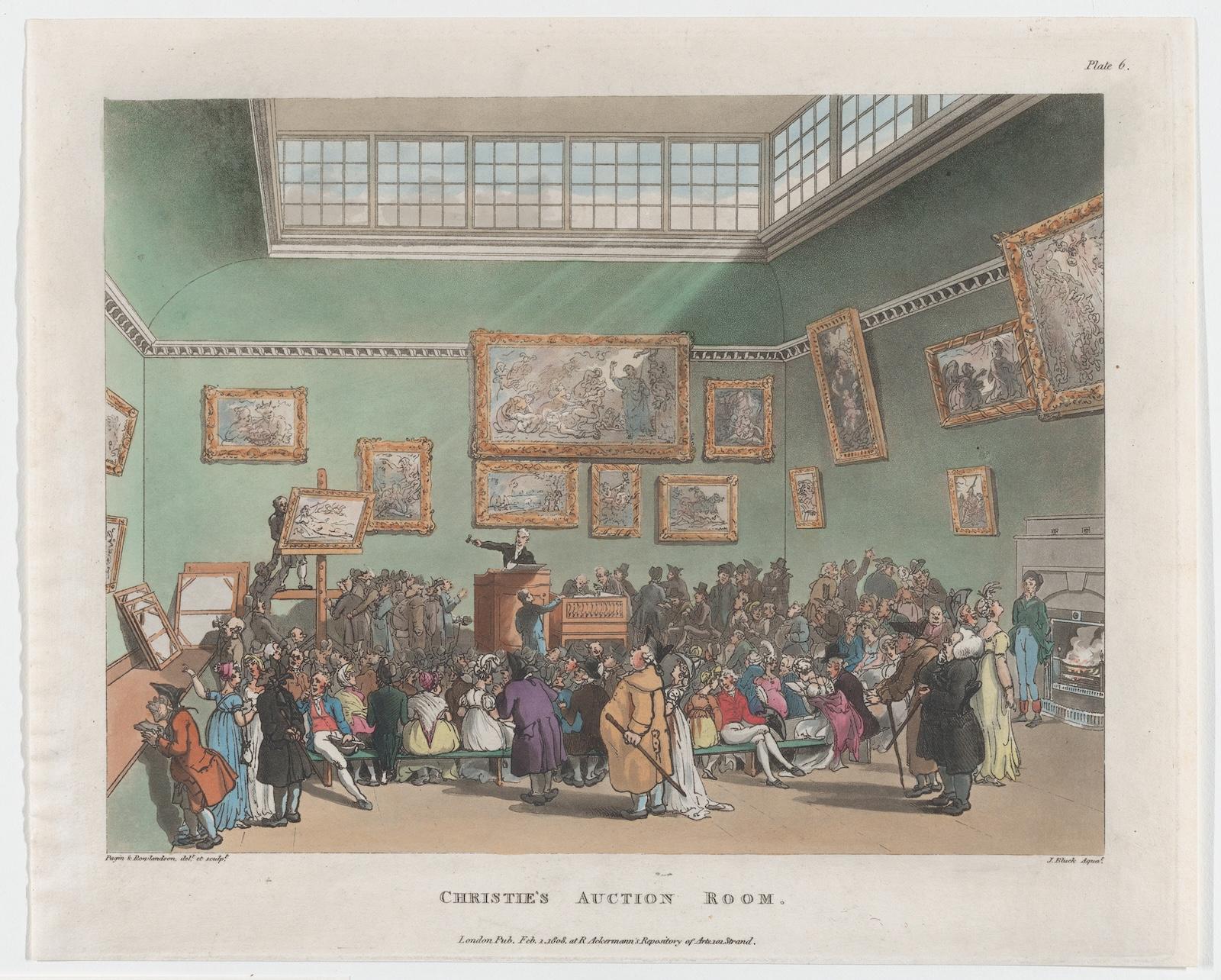
Thomas Rowlandson, Christie’s Auction Rooms.

Protecting artists’ intellectual property rights and ensuring they get fair remuneration for the sale and resale of their work is an ongoing international issue. The 1886 Berne Convention established an international copyright agreement protecting the works of authors, musicians, poets, painters, and other creators; however, it did not explicitly address the issue of royalties, and the laws governing these payments vary from country to country.

The initial sale of an artist’s work to a gallery, museum, or collector is called the primary sale. All successive sales are considered secondary sales. When an artist’s work comes up for auction or is otherwise resold, the proceeds go to the collector or gallerist, who may or may not share a percentage with the artist. Sparked by concern over the economic plight of struggling artists and their heirs, France established the first artist resale royalty law, known as droit de suite, in 1920.

According to the U.S. Copyright Office, “an artist resale royalty, or droit de suite as it is often called in Europe, provides artists with an opportunity to benefit from the increased value of their works over time by granting them a percentage of the proceeds from the resale of their original works of art.” While this practice has gained traction around the world, with over 80 countries now instituting artist royalty rights, it is not part of current U.S. copyright law.

In an attempt to remedy this omission, the state of California instituted the California Resale Royalty Act (CRRA) in 1976, guaranteeing artists residing in California for at least two years, or American citizens who sold work in California, a five percent royalty on secondary art sales during the artist’s lifetime or within 20 years of their death. In 2011, the Sam Francis Foundation, along with artists Chuck Close and Laddie John Dill, filed a class-action lawsuit against Sotheby’sChristie’s, and eBay to collect royalty payments. A U.S. District Court dismissed the suit in 2012, on the grounds that the CRRA violated the Commerce Clause of the Constitution and was therefore invalid. By 2018, the law was mostly struck down.

The 1990 Visual Artists Rights Act (VARA) protects artists’ moral rights regarding their artwork—the right to correct attribution and the right of artistic integrity—which prevents the intentional distortion, mutilation, or modification of a work without the artist’s consent. But this legislation does not address royalty rights. Organizations such as the Artists Rights Society (ARS) in the United States and the the International Confederation of Societies of Authors and Composers (CISAC) in Europe have actively campaigned to reform national and international copyright law so that artists benefit each time their work is resold. In the absence of legislation, the U.S. art sale platform FairArt.com takes an innovative approach, connecting artists and buyers with the premise that “for every sale, 1/4 of our fees go back to the artist. No matter how many times a work is sold and resold the artist will always receive a royalty on FairArt.”

Courtesy of the artist

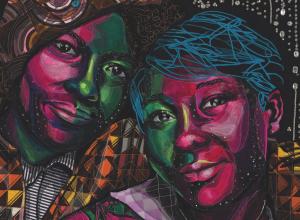
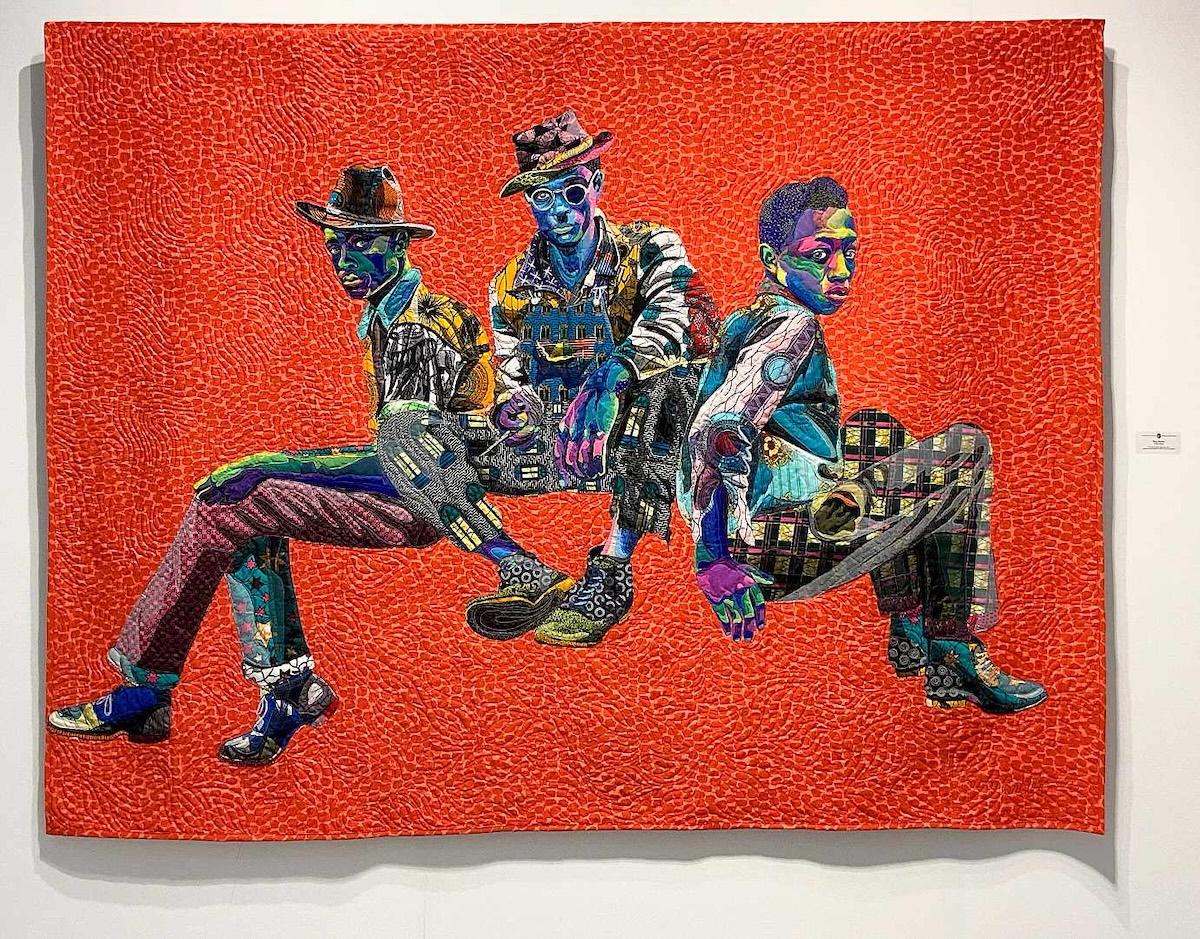
Bisa Butler, The Three Kings, 2018

“I definitely think about art resale rights,” says New Jersey-based fabric artist Bisa Butler. “I have had a few pieces pop up in auctions lately, “she says. For example, her The Three Kings (2018) sold for $151,200 at Christie’s on October 1, 2024. “It feels so disen- franchising when I see pieces sell for more than 30 times the price they were originally sold for, but I don’t receive a cent. Other countries have already amended their copyright laws to allow artists to receive at least five percent of the resale profit. I think that’s only fair. I am still a living and working artist, and if the collector can make a huge profit on the secondary market, they should be able to share a small portion with the creator.” 

The issue of artists’ resale royalties has its pros and cons. Yelena Ambartsumian, founding attorney of AMBART LAW, a New York-based firm focusing on AI governance, privacy, and art law, says, “The economic argument against artist resale royalty rights is that imposing such an obligation, by law, will depress secondary sales. For example, if California requires that the auction house pay five percent of the proceeds to the artist, then collectors will avoid dealing in California or of works with artists in California. We did not necessarily see that bear out when California had an artist resale royalty rights law.”

Ambartsumian notes that while most collectors argue against artist royalty rights because the artist was paid for the initial sale and the collector took all the risk, in practice, many collectors share a portion of the proceeds from private sales. In secondary sales brokered through a gallery, a percentage is typically shared with the artist. In secondary peer-to-peer private sales, with no intermediary, Ambartsumian says that “many collectors still share a portion of the proceeds, in order to maintain a good relationship with the artist and continue to be offered new primary sale works.”

While instituting artist royalty resale laws involves economic and legal complications, countries that have done so have primarily seen positive results, according to the World Intellectual Property Organization (WIPO). Mark Stephens, chairman of the U.K.’s Design and Artists Copyright Society (DACS), says that after the artists’ resale right took effect in the U.K. in 2006, the number of commercial galleries quintupled and art prices soared, with the resale royalties benefiting not only artists but the art market and the economy.

*This article originally appeared in Art & Object Magazine's Summer 2025 issue.

About the Author

Megan D Robinson

Megan D Robinson writes for Art & Object and the Iowa Source.

Subscribe to our free e-letter!

Webform
Art and Object Marketplace - A Curated Art Marketplace