
The Ethical Debate of Collecting and Displaying Human Remains

WikiCommons

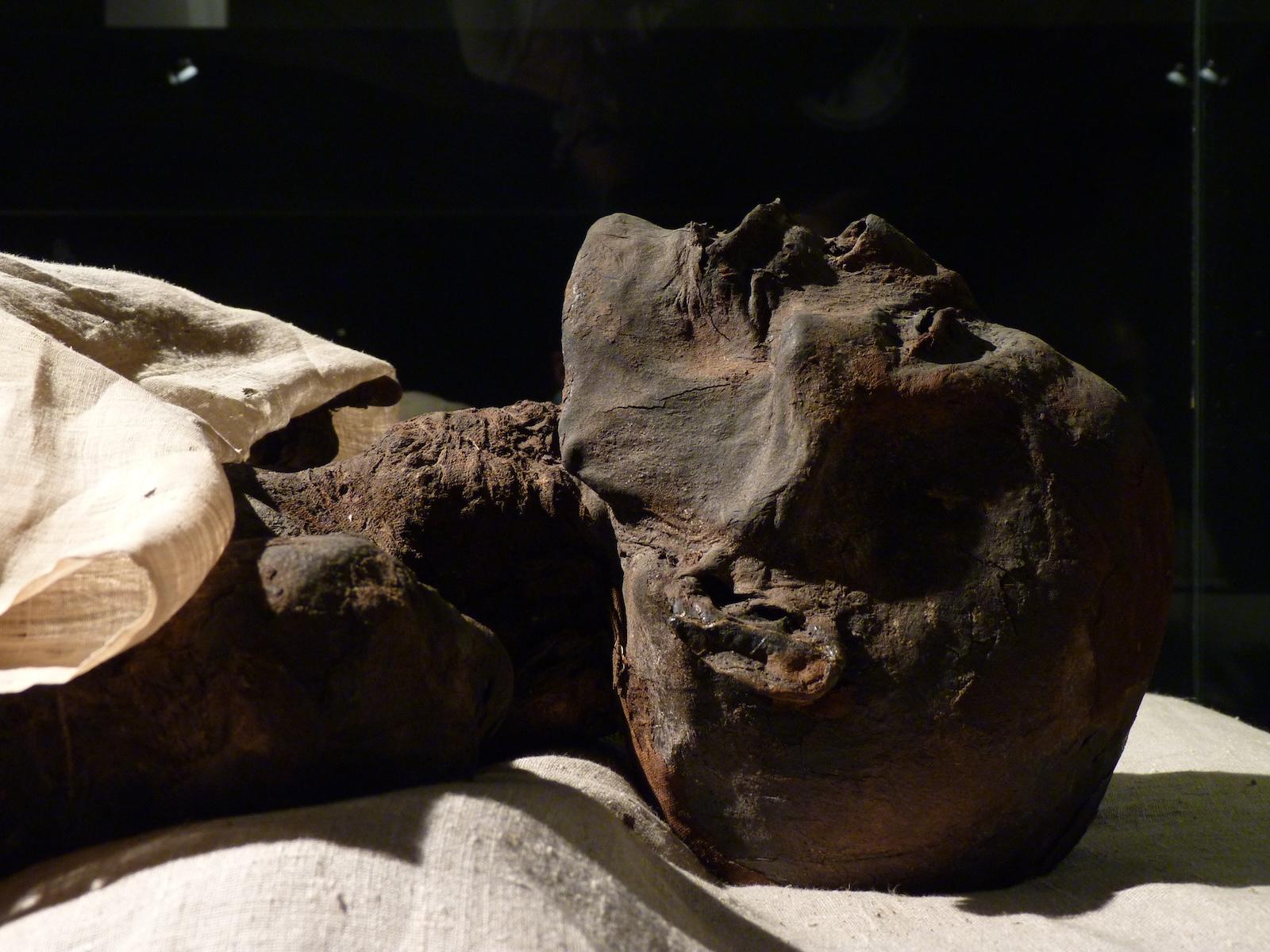
Ramses I Mummy. The mummy of Ramses I was looted from Egypt around 1860 and held in various private collections in Canada and the US up until 2003. The mummy is currently on display in the Luxor Museum. License

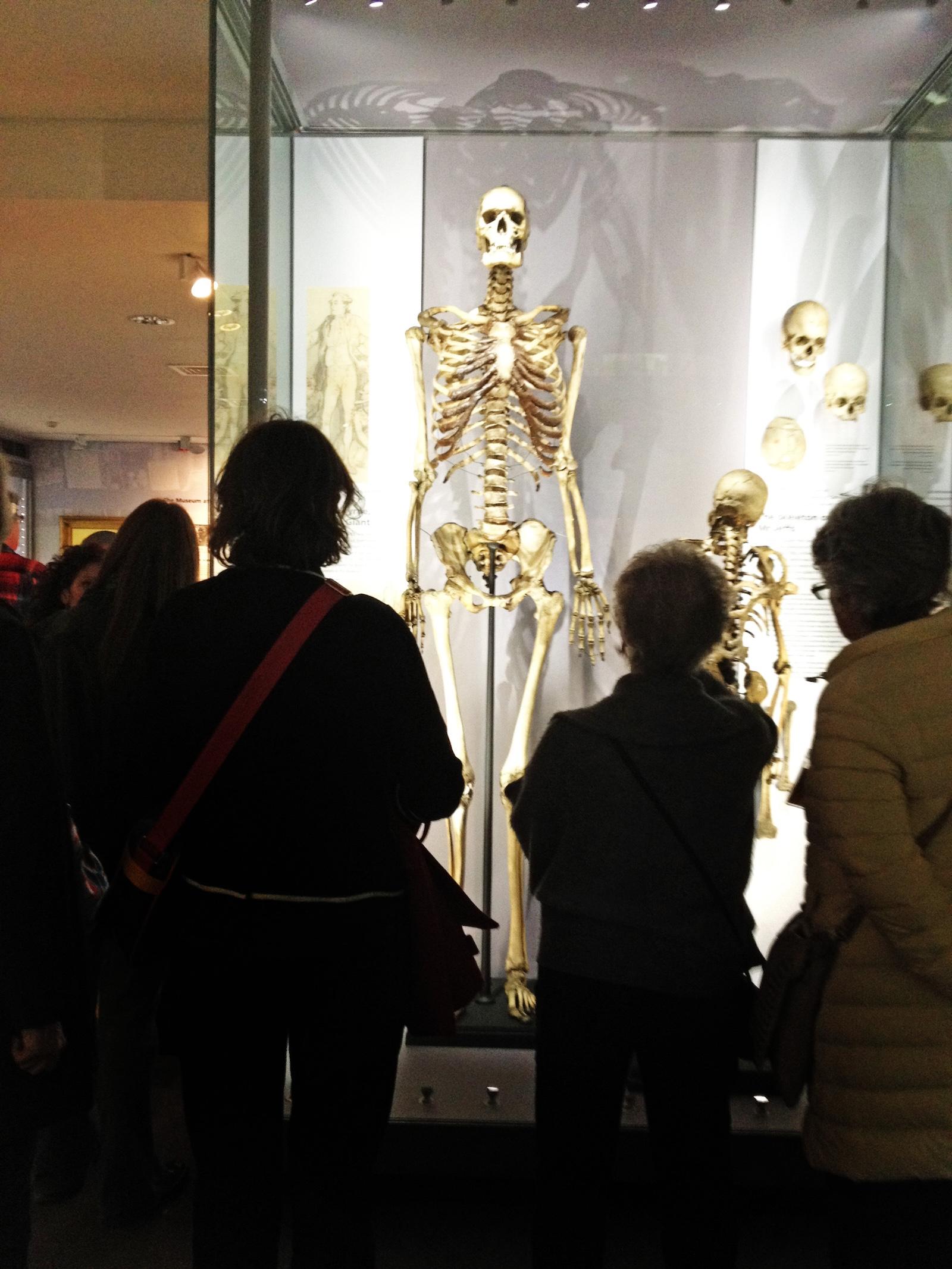
Charles Byrne, born in 1761 in Ulster, Ireland, was over 7 feet and 6 inches tall. By age 21, his health was deteriorating rapidly due to then unknown growth disorders which caught the attention of many in the London medical field where he resided. It was during this decline that John Hunter, surgeon and anatomist, offered to pay Charles for his body after his death. Charles feared the mistreatment of his corpse and, in an attempt to thwart would-be body snatchers, he asked his friends to procure a weighted coffin and bury him at sea. On June 1, 1783, at the age of 22, Charles died. On June 6, his body was stolen by John Hunter’s hired thieves while en route to the coast. Hunter reduced Charles’ body down to his bones and kept the skeleton hidden amongst his collection of specimens for four years before publicly revealing his theft. Charles’ skeleton later went on public display in 1799 after being purchased by the Royal College of Surgeons of England in London where it would remain for the next two centuries. 

The case of Charles Byrne has caused no shortage of ethical debates, yet his story is, tragically, one of countless within the broader issue of collecting and displaying human remains. The question of whether or not human remains should be collected and displayed at all has existed as long as the practices, predating Charles Byrne by centuries, and the answer is as grey now as it has ever been. Even in situations like Charles’, where one's wishes are made abundantly clear and the answer seems obvious, there are still those who dissent, arguing that scientific inquiry and public education far outweigh the wishes of the individual. But, what is the boundary between education and entertainment? When and where is that line drawn? And, how did we get here in the first place?

WikiCommons

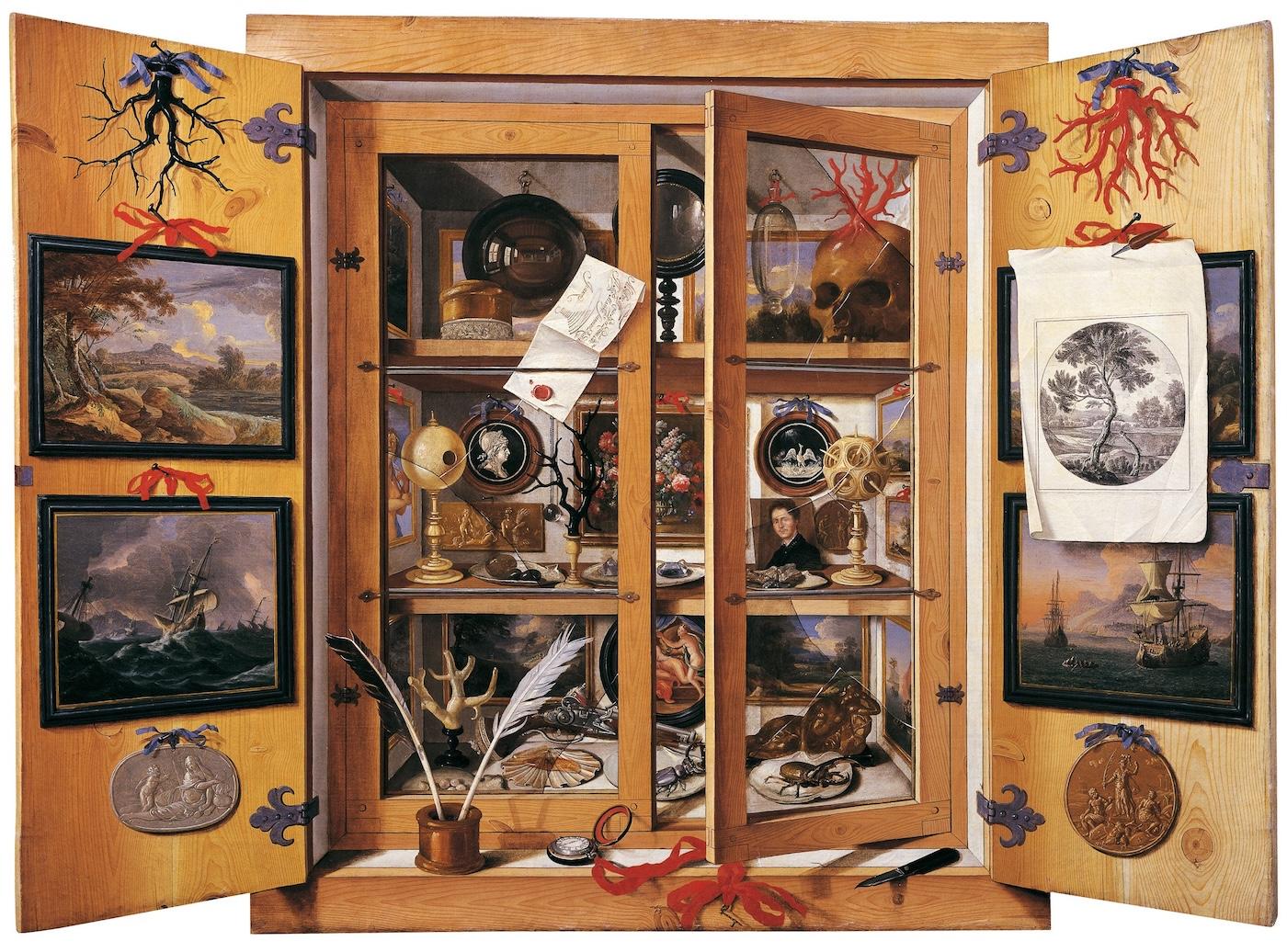
Cabinet of Curiosities, Domenico Remps, ca. 1689. Museo dell'Opificio delle Pietre Dure, Florence. License

The origins of modern museums and collecting practices are generally traced back to the “Cabinets of Curiosity” (Wunderkammern) that became vogue amongst European elites starting in the 16th century. As the new world was opened up for pillaging, many materials and objects found their way back to the cabinets of the bourgeoisie and even royal collectors. As the age of exploration gave rise to the age of science, however, taxonomical studies and a desire to exert order upon nature grew. Little about these early practices can be separated from the aims of European colonialists to assert their superiority over new lands and, most sinisterly, new peoples. Eventually, it was not only bird feathers and narwhal tusks being placed in these cabinets for display, but humans too, both living and dead. 

By the late 1700s, many fields of study such as biology, anthropology, and archaeology were in their nascent stages of development, and their origins were not untouched by the contemporaneous racially driven ideologies of European superiority and the collecting practices associated with them. For instance, Samuel George Morton (1777-1851) asserted that he could judge race-based intellectual capability by cranial capacity (i.e. craniometry). He collected the looted remains of over 1,000 individuals, including war victims and enslaved peoples, and declared that Caucasians had the largest brain sizes and were therefore capable of higher intellectual capacity than those of Native, African, or other (non-white) races. His collection of remains eventually made its way to the University of Pennsylvania Museum of Archaeology and Anthropology. 
WikiCommons

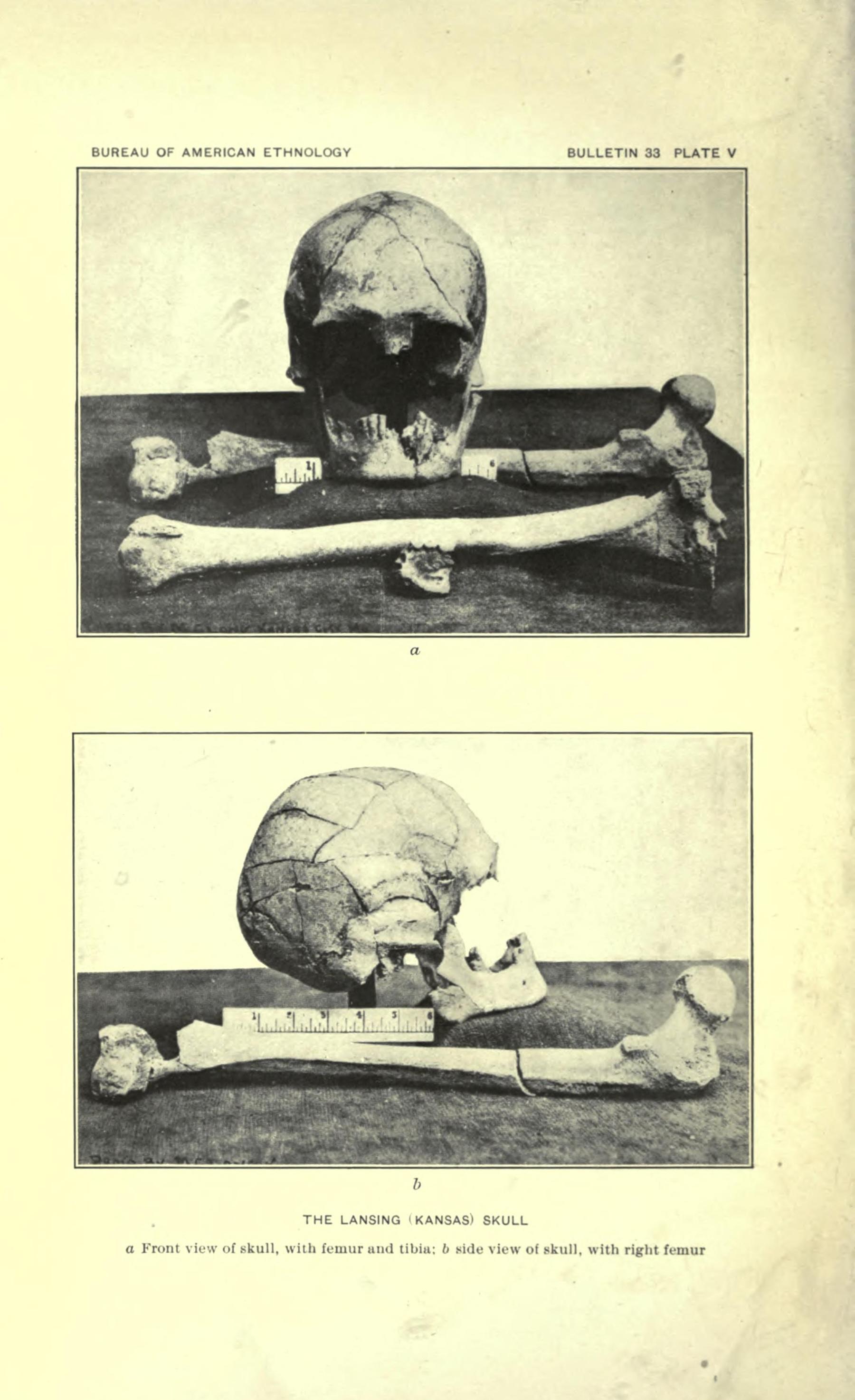
Plates of human remains from Skeletal remains suggesting or attributed to early man in North America by Ales Hrdlicka, published 1907. License

Aleš Hrdlička (1869-1943), a founding thinker in the field of anthropology, was in a similar school of thought and amassed a collection of the remains from over 15,000 native North and Central American individuals from looted graves and massacre sites. Many of these remains were sent to the American Museum of Natural History in New York.

Such was the story for millions—death to plunder to analysis to archival bins and glass cases. It did not help that museums have always been hungry for human remains, often driven as they were in early stages to entertain rather than educate guests with sensationalist "objects".

However, since the 1960s, certain tides have changed, and calls for removal, repatriation, and reburial have been increasing in quantity and volume. Many institutions finally began turning their gazes inwards, critically examining their collections and questioning why the obvious majority of their human remains belonged to native and indigenous peoples and how exactly they entered the museum’s collections. It is upon these two questions that the yes/no line begins to be drawn. First, do the remains have a connection to living peoples today? Second, how were they collected? 

Many institutions, such as the American Museum of Natural History in New York, have taken these questions head-on in recent years, openly acknowledging the racist ideologies and practices that led to the creation of their displays and archives. In 2023, the AMNH announced that all human remains would be removed from public display. The museum President, Sean Decatur, published a letter officially recognizing “the return of human remains as an integral part of stewardship” for the AMNH and that “with the small exception of those who bequeathed their bodies to medical schools for continued study, no individual consented to have their remains included in a museum collection. Human remains collections were made possible by extreme imbalances of power.” The museum has repatriated over 1,200 individuals to descendent communities and is in the process of returning over 1,000 more. 

WikiCommons

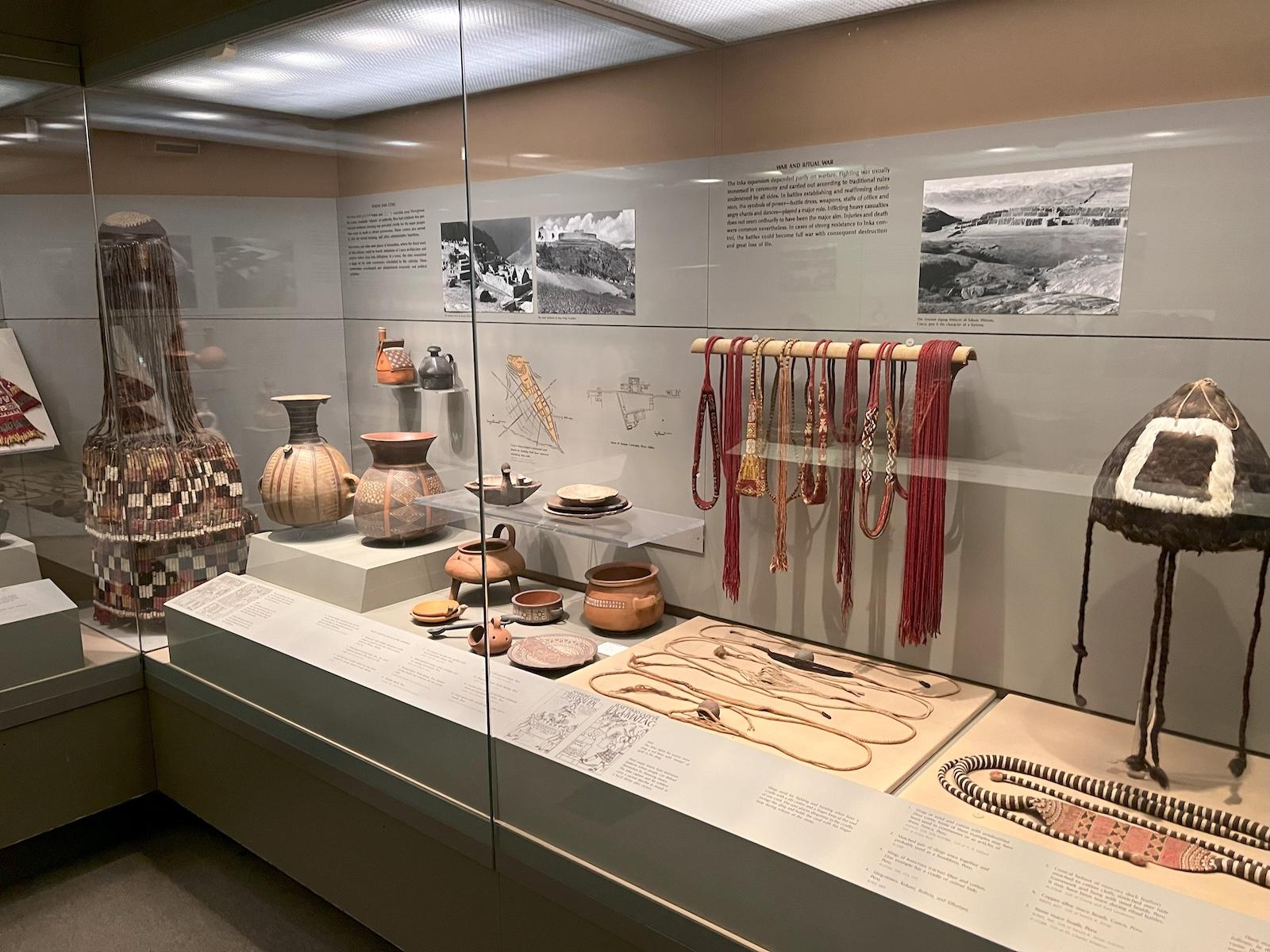
Inka stand at American Museum of Natural History. License

The two questions above also explain why the same calls for removal are not heard for those bodies more temporally removed from present-day communities or collected through less nefarious means. Özti the Iceman, a mummified individual who lived over 5,000 years ago, has been on display in Italy since 1998—exactly when debates over human remains on display was reaching a peak—but the only major issue surrounding his remains has been whether they were found by hikers on the Swiss or the Italian side of the Alps. The same silence surrounds British bog bodies, the victims of Pompeii, and Viking warriors. Not only does the antiquity of these individuals make it impossible to trace descendants in any meaningful way, but most were excavated through official means and with the consent and permission of respective governments. 

The exception here might be Egyptian mummies. The Egyptian government has requested back countless individuals, as many were removed from the country during French and British occupations. Though, these requests are not based so much on spiritual or religious bases from descendant communities but have more to do with issues of national patrimony and Egypt’s desire to display the remains themselves. 

WikiCommons

Charles Byrne’s skeleton was on display for over 200 at the Royal College of Surgeons of England in London. His remains were finally removed from public view in 2023, however, they remain within the Hunterian Museum’s collection. License

In the end, is it possible to answer the question ‘should human remains be collected and displayed in museums?’ Yes and no. Some cases are difficult to assess as it can be almost impossible to identify and ascribe a provenance to many remains, and the context and even age of the remains greatly impacts how modern audiences relate to them. Other cases are crystal clear, such as those individuals whose bodies were taken without consent, in violent or dishonest contexts, and for racist, classist, or otherwise domineering means. But even here, there are still roadblocks. 

In 2011, Dr. Len Doyal published with the British Medical Journal* that Charles Byrne’s should “be removed from display and buried at sea, as Byrne intended for himself,” arguing the scientific community had ransacked the corpse enough. A poll conducted by the BMJ ascertained that the majority of people believed burial was the right course of action, but Charles’ body would remain on display for another 12 years. On January 11, 2023, Charles’ body was finally removed from public display, yet it still remains within the Hunterian Museum’s collection. 

*BMJ 2011;343:d7597 

About the Author

Danielle Vander Horst

Dani is a freelance artist, writer, and a trained archaeologist. Her research specialty focuses on religion in the Roman Northwest, but her educational background encompasses more broadly Greek and Roman art, architecture, materiality, and history. She holds multiple degrees in Classics and Archaeology from the University of Rochester, Cornell University, and Duke University, and she is currently completing a PhD in History of Art & Archaeology at Cornell University.

Subscribe to our free e-letter!

Webform
Art and Object Marketplace - A Curated Art Marketplace