At Large  October 7, 2026  Annah Otis

Kehinde Wiley’s “Young Artists” Faces an Uncertain Future

WikiCommons

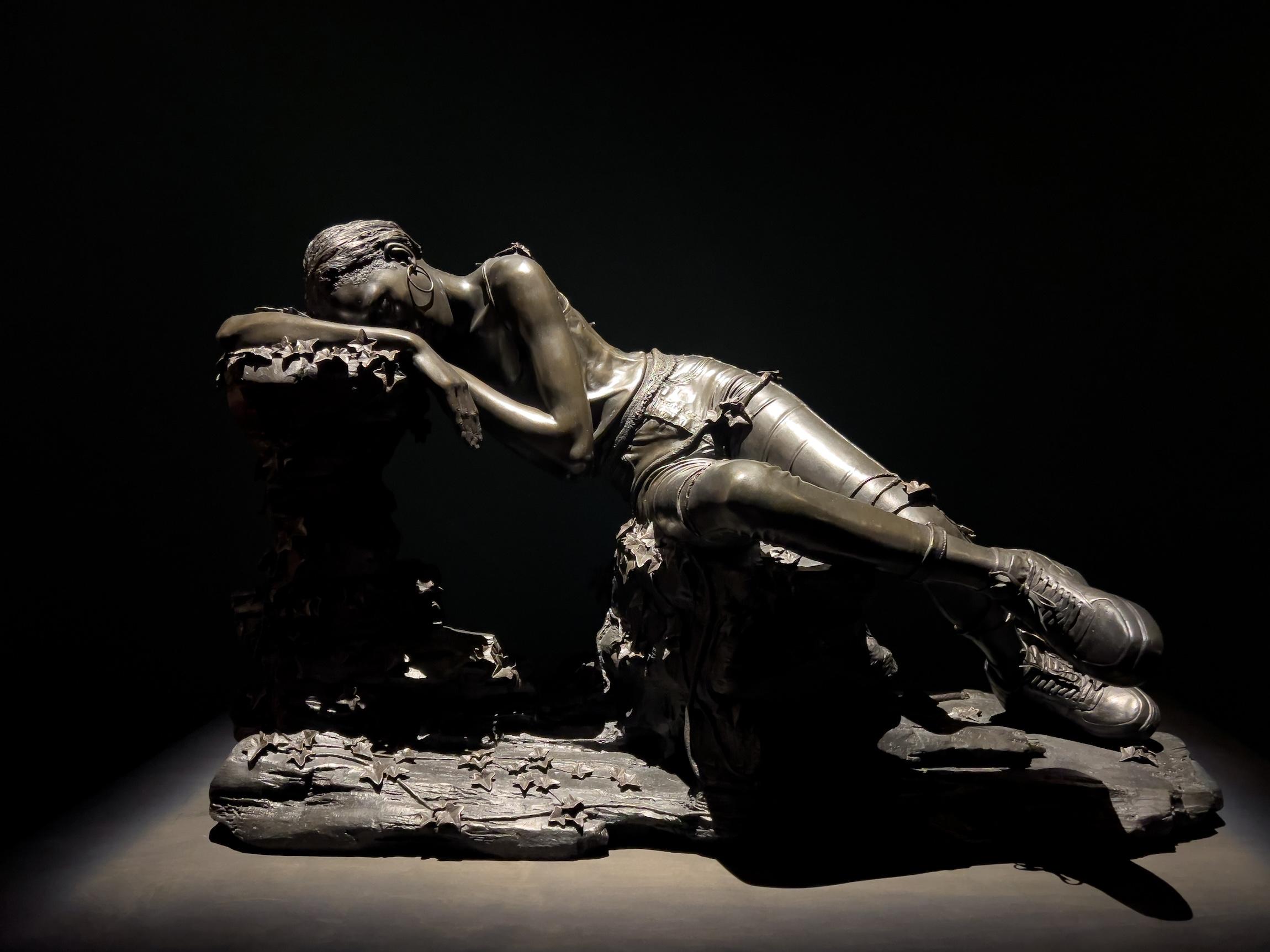
Kehinde Wiley sculpture. License.

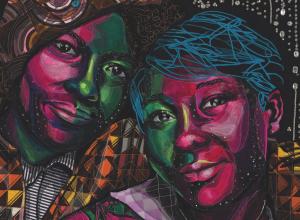
More than 10 years after being commissioned to paint a canvas for the United States Embassy in the Dominican Republic by the State Department, Kehinde Wiley is endeavoring to buy Young Artists After Siamesas 1960 back. The piece was removed from embassy walls in August at the behest of Leah Campos, ambassador to the Dominican Republic, who called it “aesthetically terrifying” and inaccurately described the subjects as lesbians at a picnic. 

Its highly publicized removal invokes questions about everything from freedom of expression to an artist’s rights as the current administration embarks on a wider campaign against what they view as liberal bias and unpatriotic narratives in the nation’s cultural institutions. A social media post shows Campos—who was appointed by President Trump and participated in his reality TV series—supervising the painting’s removal as part of what she stated as the embassy's efforts to “turn away from globalist and woke ideologies.”

WikiCommons / State Department photo

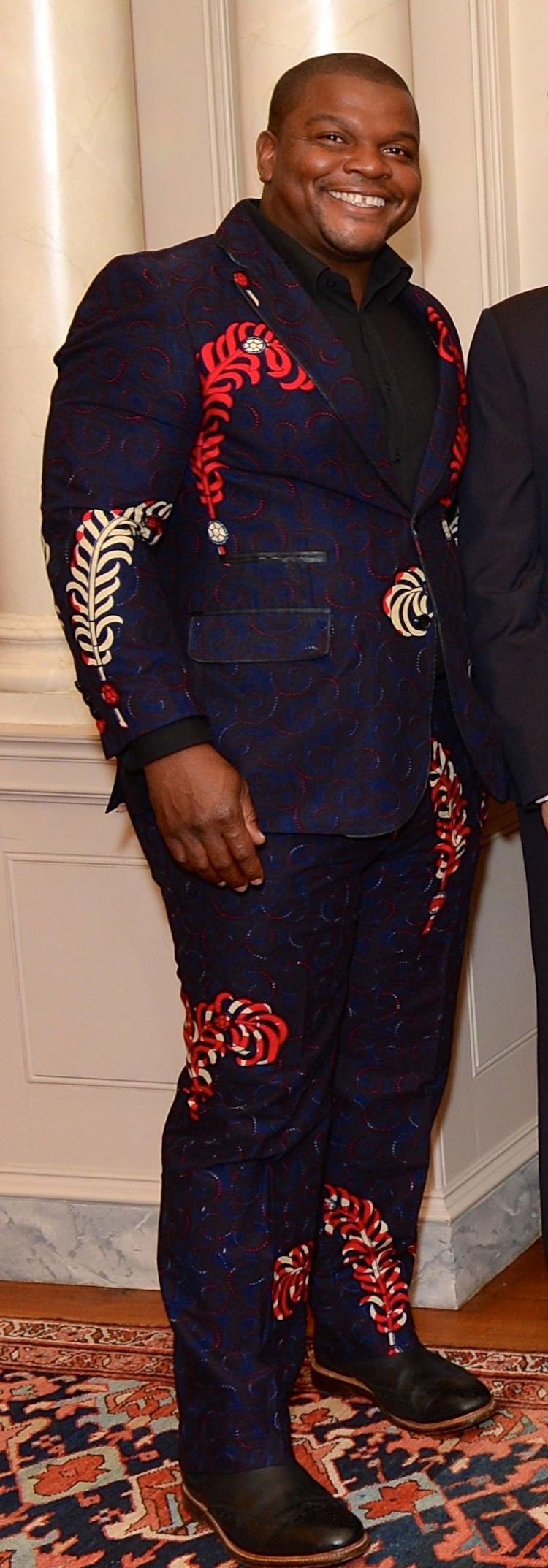
Kehinde Wiley, a 2015 recipient of the U.S. Department of State-Medal of Arts, before a ceremony at the U.S. Department of State in Washington, D.C., on January 21, 2015. License.

Young Artists depicts four local art students posing against Wiley’s signature floral background in an homage to mid-20th-century Dominican painters. Since its 2015 creation, Wiley has stepped further into public discourse by painting Barack Obama’s official presidential portrait, which now hangs in the Smithsonian’s National Portrait Gallery. He is known for naturalistic paintings of Black figures in poses reminiscent of Old Master subjects made undeniably contemporary with vivid floral or patterned backdrops.

Sexual assault accusations made in 2024, which Wiley denies, have forced the artist out of the limelight in recent years. The accusations were made by a former partner on Instagram, and no criminal charges were filed. That same year, two museums cancelled planned exhibitions of his paintings as a result. A State Department spokesperson likewise cited the incident as a reason for removing Young Artists.

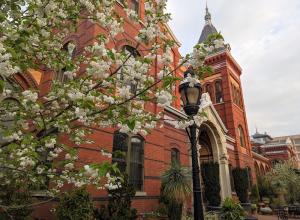
Two years later, nearly a dozen of Wiley’s works are currently being shown at his dealer’s Manhattan gallery in the artist’s first major US exhibit since those accusations. Sean Kelly Gallery also published a copy of Wiley’s letter to President Trump offering to purchase Young Artists if the administration no longer has any use for it. While the embassy painting’s value is not known, Wiley’s auction record stands at $842,670 for a slightly smaller canvas.

On American soil, an artist facing the removal or destruction of a public work can turn to the Visual Artists Rights Act (VARA) of 1990, which grants creators lifetime “moral rights” over their work. The owners of public art are expected to maintain it without changes beyond natural aging or adjustments to lighting and placement. Under VARA, if a work can be removed without damage, the building owner must give the artist 90-day written notice.
WikiCommons

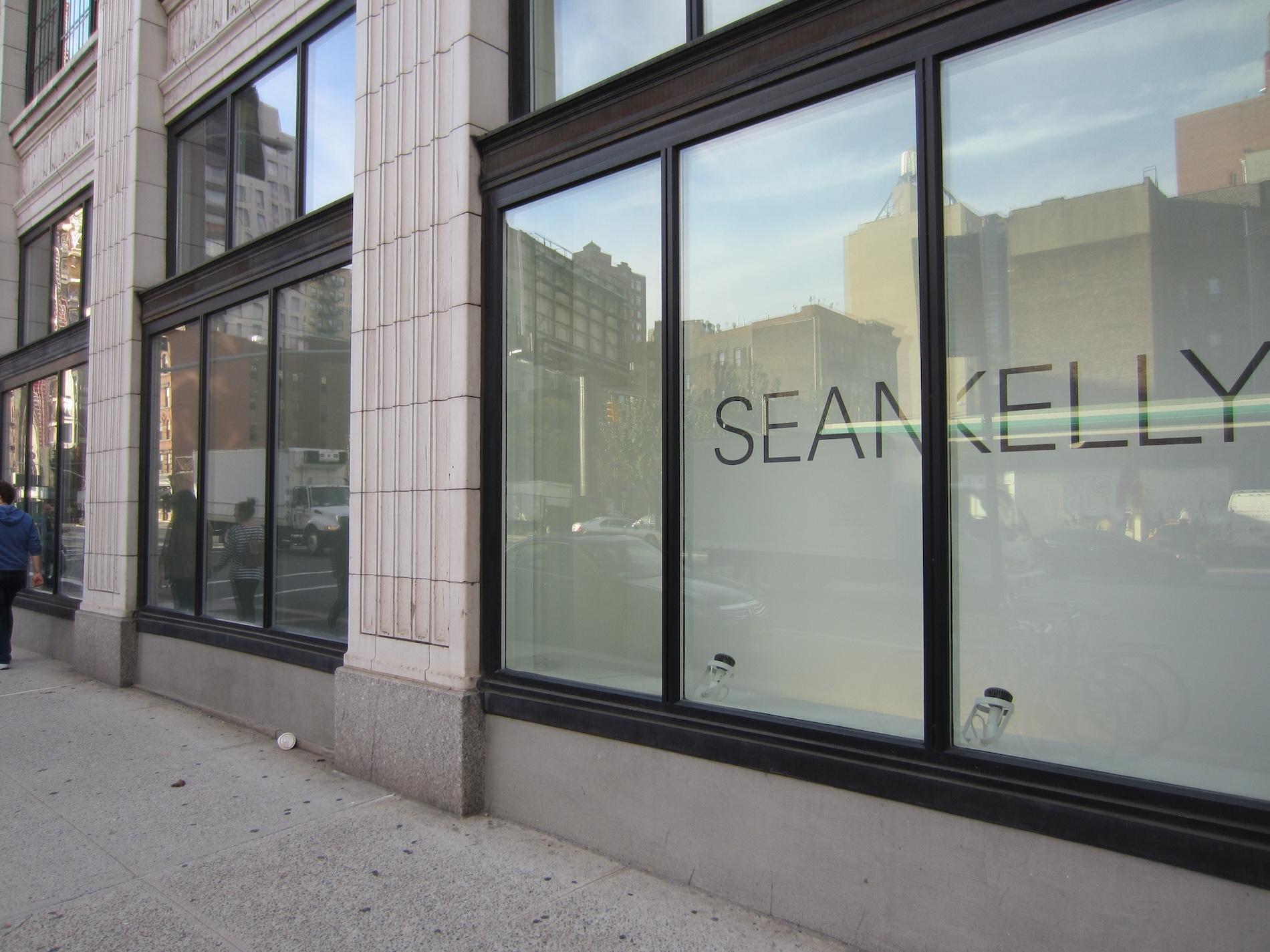
Sean Kelly Gallery exterior. License.

Enforcement of this act can be challenging, because the rights of street and public artists are not widely known or taught. For example, in 2019, artist Cosimo Cavallaro raised money to build a wall of Mexican cheese on land leased from a nonprofit along the US-Mexico border as part of a tongue-in-cheek project to "Make America Grate Again." A government subcontractor working nearby on President Trump’s border wall destroyed it without permission, and Cavarollo sued them under VARA.

However, Wiley’s situation is much murkier, because embassy grounds remain the property and territory of the host nation where US laws like VARA do not extend. His name no longer appears on the registry of artists whose work was commissioned by Art in Embassies—the State Department program that originally solicited Young Artists and was formalized by President John F. Kennedy in 1963 to bring American artwork into global diplomatic spaces. Wiley’s as-yet-unanswered entreaty to reclaim his work asks how much leverage an artist holds once a public commission falls out of political favor.

About the Author

Annah Otis

Annah Otis is a New York City-based contributor to Art & Object with a master’s degree in art history. She is also a marketing communications executive.

Subscribe to our free art newsletter!

Webform
Art and Object Marketplace - A Curated Art Marketplace