

At Large  August 26, 2026  Annah Otis

Matisse “Jazz” Prints Are Recovered, But a Bigger Problem Remains

WikiCommons

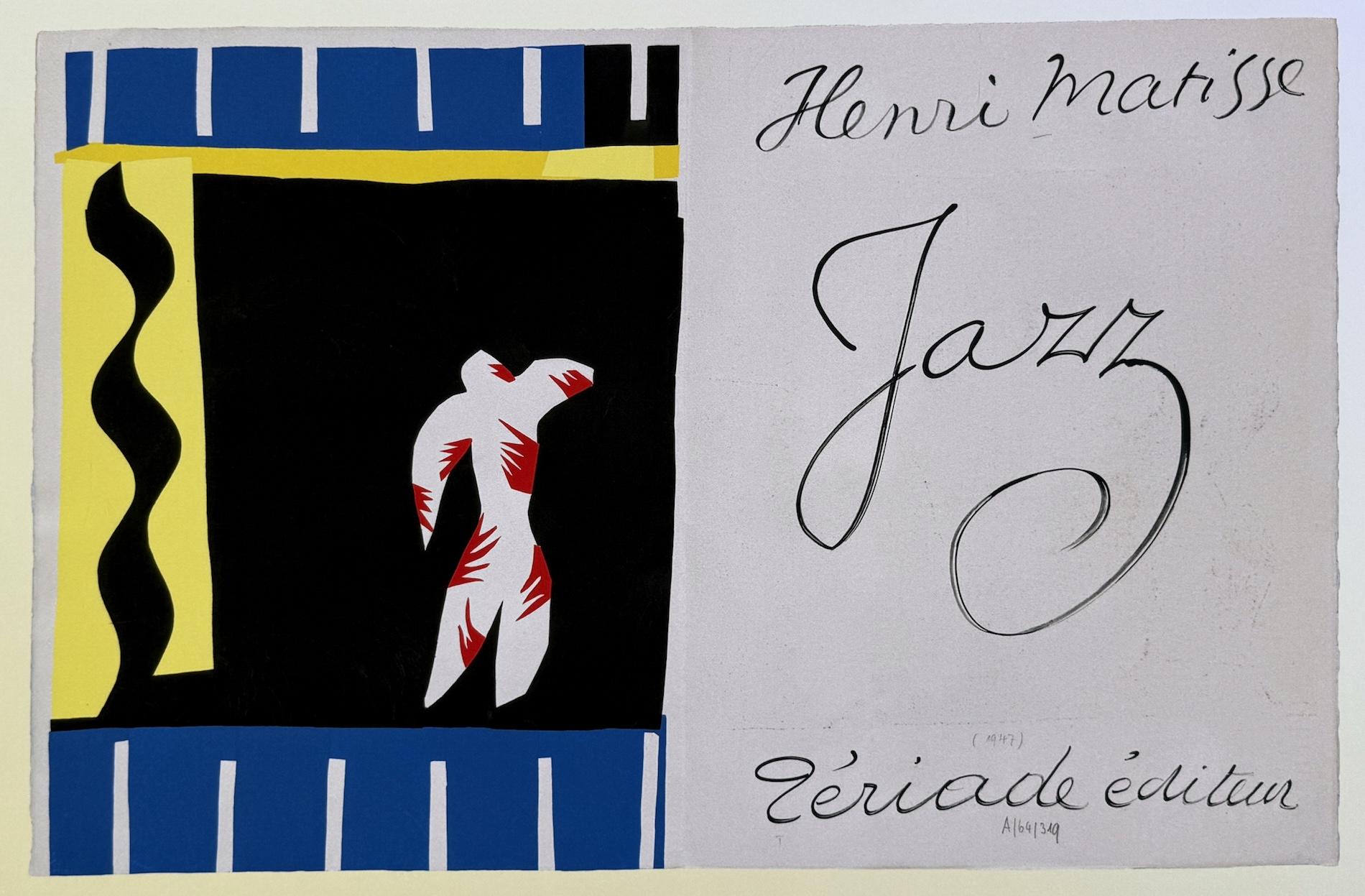
The cover of Jazz by Henri Matisse. License.

Eight prints from Henri Matisse’s celebrated 1947 Jazz series, valued at about $190,000, are back in the hands of Brazilian authorities after being recovered from an apartment in a suburb of São Paulo. Featuring an array of whimsical images from clowns to cowboys, the prints were stolen in December during a daylight raid on Mário de Andrade Library in São Paulo. Thieves overpowered a security guard and an elderly couple before fleeing on foot through the entrance with both the Matisse works and five engravings by Brazilian modernist Candido Portinari. 

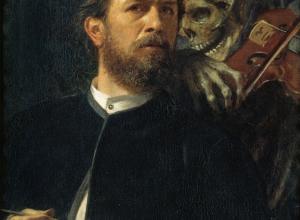
WikiCommons

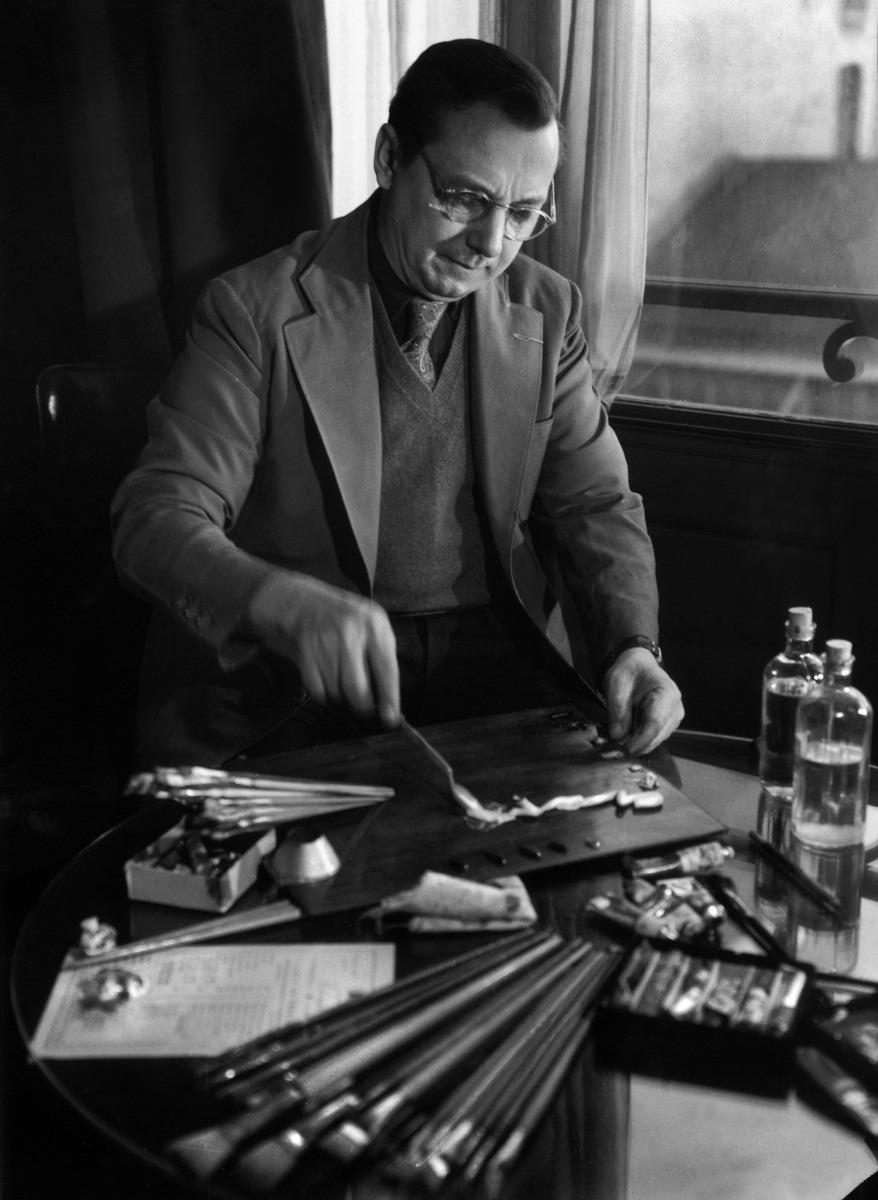
Brazilian artist Cândido Portinari. License.

The latter have not been found, and despite the arrest of four individuals connected to the crime, are feared to have already been sold on the black market. Portinari originally created the engravings to illustrate a special edition of Plantation Boy by novelist José Lins do Rego. Matisse likewise developed his prints for a limited edition book. They were presented together as part of an exhibition organized in collaboration with the São Paulo Museum of Modern Art called From Book to Museum.

Unsurprisingly, given his popularity as a modernist artist, works by Matisse have become a frequent target of theft. His Odalisque on the Terrace was stolen from a private museum near Parma earlier this year alongside two paintings by Pierre-Auguste Renoir and Paul Cézanne. The trio was recently discovered by Italian authorities who have detained five suspects tied to an organized crime group. In a separate case more than a decade ago, Matisse’s Odalisque in Red Pants was stolen from the Museum of Contemporary Art in Caracas, Venezuela and later found by FBI agents in Miami.

WikiCommons

Henri Matisse, Odalisque in Red Pants, 1925. License.

These cases point to a vulnerability that extends beyond well-known and well-financed museums with dedicated security teams. Public libraries and municipal collections often hold rare and valuable works without the budget or infrastructure to protect them from theft. The Carnegie Library’s Oliver Room offers a cautionary tale of lacking internal and external security mechanisms. Over the course of nearly 25 years, an employee entrusted with overseeing the room’s rare collection quietly sold off items to a local bookdealer, including 276 maps and a rare edition of Adam Smith’s The Wealth of Nations. By the time the theft was discovered in 2017, losses were estimated at $8 million.

The Association of College and Research Libraries has noted that general collection areas, rather than heavily monitored special collections, tend to be the most exposed to theft, because they often lack strict surveillance and physical barriers. Experts increasingly recommend a strategy of multiple overlapping security measures so that no single failure leaves a collection exposed.

As organized theft rings grow more sophisticated and international buyers create ready markets for stolen art, smaller institutions without the resources of a major museum face a difficult calculation. Public libraries are meant to be open and accessible, which are the same qualities that make them susceptible. The return of the Matisse prints is cause for celebration, but the five missing Portinari engravings are a reminder of how easily the outcome could have been different.

About the Author

Annah Otis

Annah Otis is a New York City-based contributor to Art & Object with a master’s degree in art history. She is also a marketing communications executive.

Subscribe to our free art newsletter!

Webform
Art and Object Marketplace - A Curated Art Marketplace