

At Large  October 14, 2026  Annah Otis

Should International Tourists Pay a Museum Surcharge?

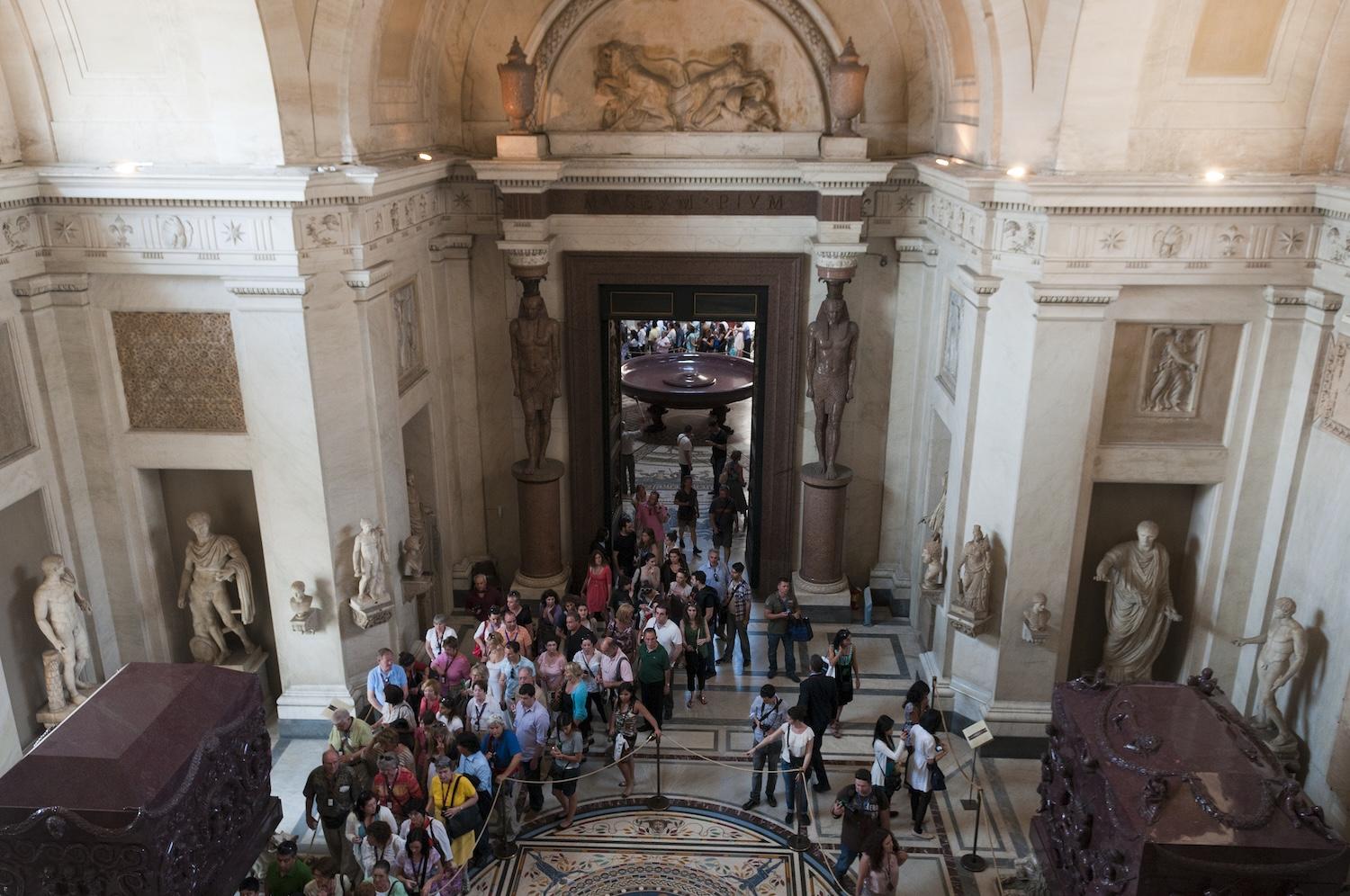
WikiCommons

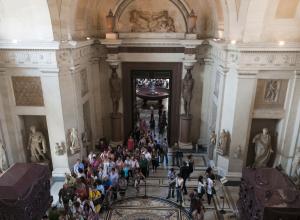
Crowds in the Vatican Museum. License.

Following a months-long review of whether overseas visitors should pay at the door of national British museums, the United Kingdom Department for Culture, Media and Sports confirmed that entry will remain free. The decision preserves a policy that Tony Blair’s Labour government introduced in 2001, despite the growing number of countries asking international tourists to cover more of the cost of their cultural treasures.

In the UK, this ticketing investigation was sparked by a December 2025 review by former Labour minister Margaret Hodge, which argued that fees for non-residents would align the country with practices of other governments to support museum funding. Discussions with the museums themselves and local leaders led to the conclusion that a surcharge could deter domestic visitors and unevenly benefit the museum sector. Britain’s 15 national museums contribute more than £1 billion to the economy each year.

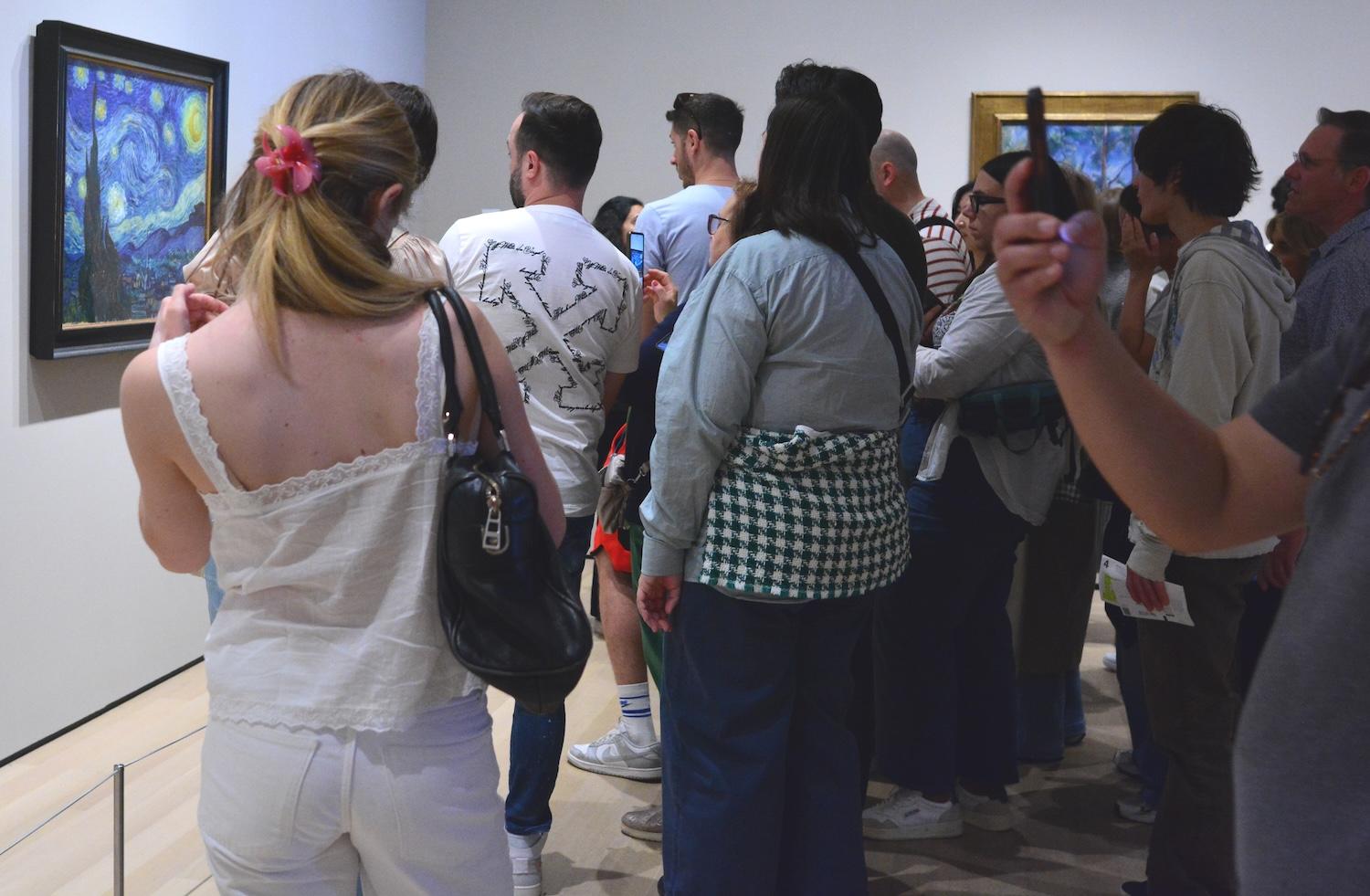
Wikicommons

Crowds around Vincent van Gogh’s Starry Night. License.

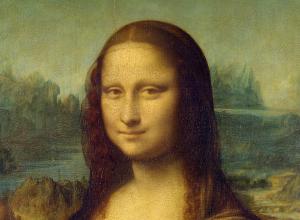
Many French institutions recently moved in the opposite direction. Starting in January 2026, the Louvre raised admission for non-European Union visitors from €22 to €32—a 45% jump that is expected to add €200 million in additional annual revenue. The extra income is set to be used for the museum’s “Nouvelle Renaissance” modernization project, which includes plans to create a dedicated room for Mona Lisa. Louvre workers have argued that the change undermines the museum's mission and does not address the overcrowding or deteriorating workplace conditions they have been striking over.

Japan is following suit with plans to introduce dual pricing at 12 national museums by March 2031. The added revenue will be used to improve the visitor experience with more multilingual exhibits and educational materials. However, officials have acknowledged that the plan will require new staff and systems to separate residents from non-residents at entrances, eating into whatever the surcharge brings in. An increasingly popular tourist destination, Japan welcomed a record 42.7 million foreign travelers in 2025 and hopes to reach 60 million by 2030.

By contrast, international travel to the United States fell 5.5% in 2025, with 46% of travelers stating that the current administration’s policies have deterred them from visiting. An executive order to increase the cost of visiting National Parks for foreigners took effect on January 1 and raised the price of an annual pass to $250. What was pitched as a $90 million-a-year plan has drawn in only $22.5 million thus far, while Democrats in the Senate argued that the fees skipped legally required public comment.


Wikicommons

Visitors to Yellowstone National Park. License.

Dynamic or variable pricing offers an alternative—albeit rarely used—option for museums struggling to bring in funding. Offering tickets on a sliding scale based on factors like holidays, historically popular visiting times, exhibit plans, and even weather can maximize income without pricing out lower-income populations. Both the Indianapolis Zoo and The Children’s Museum of Indianapolis have found success with this model, as measured by attendance and membership purchases.

A promising experiment at the Weserburg Museum of Modern Art in Germany makes an alternative case for pay-per-use pricing. In December 2019, the museum charged visitors €1 per hour spent viewing exhibits, capped at €9 to avoid going over their standard admission fee. Visits climbed 42%, revenue held steady, and 73% of visitors called the prices fair.

Each approach pays for something different. Free admission funds a civic ideal and leans on government budgets to sustain it. Tourist surcharges ask travelers to subsidize local attractions, which depends on those travelers continuing to visit. Variable pricing manages crowds as much as it raises money. For museums squeezed between shrinking public budgets and swelling attendance, the debate over who pays for culture is far from settled.

About the Author

Annah Otis

Annah Otis is a New York City-based contributor to Art & Object with a master’s degree in art history. She is also a marketing communications executive.

Subscribe to our free art newsletter!

Webform
Art and Object Marketplace - A Curated Art Marketplace