

At Large  September 30, 2026  Annah Otis

$6.7 Million in Fake Andy Warhol Art Gestures to Wider Fraud

WikiCommons

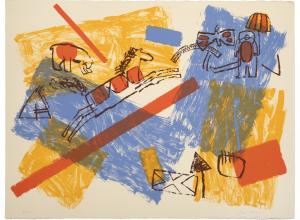
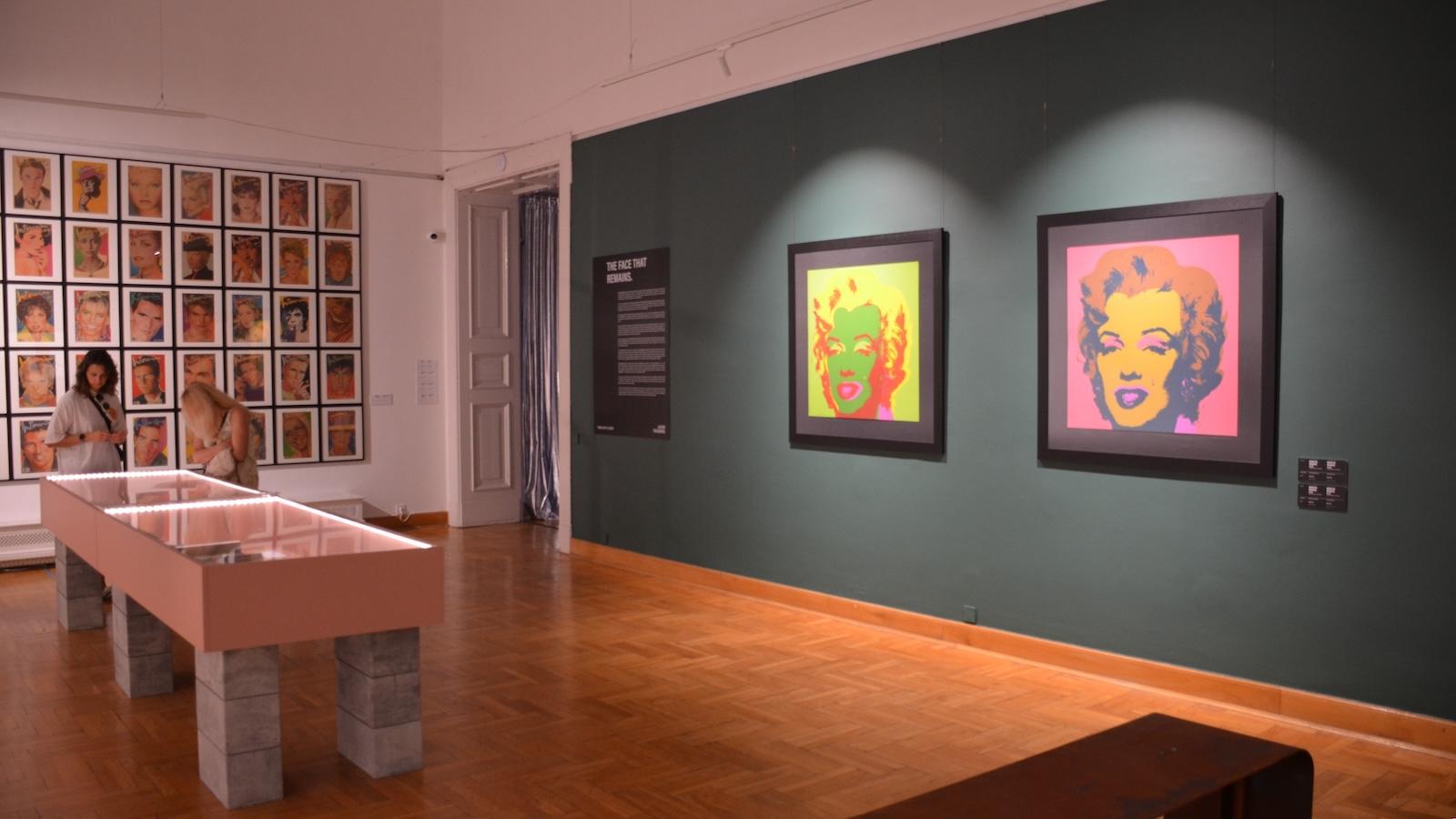
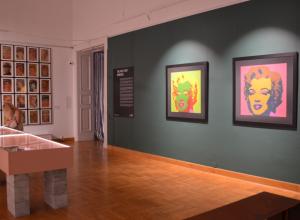
Prints by Andy Warhol in an exhibition in Krakow. License.

When Florida real estate investor Richard Perlman and his family first began purchasing paintings and prints from the Miami Fine Art Gallery in 2023, they thought they were building an unrivaled collection of Andy Warhols. Instead, they were actually spending more than $6.7 million on a series of fakes that had been painted in Peru, sold to American art dealers for as little as $30 apiece, smuggled into the United States, and paired with forged paperwork. The family filed a racketeering lawsuit in Miami-Dade County early in September to hold the ring of perpetrators accountable in what is just the latest of many art forgery schemes.

Numerous individuals are named in the complaint, starting with Leslie Roberts, the Miami gallery dealer who sold the purported Warhols. Two other Florida-based dealers were named for allegedly supplying fake canvases and adding counterfeit authentication stamps. Another collector, who was sued in 2012 for trading two fake Marc Chagall watercolors for limited-edition Warhol prints, is accused of vouching for the provenance of works in Roberts’ inventory. The suit also names a Philadelphia art dealer previously convicted of money laundering for helping Roberts sell the sham works.

WikiCommons

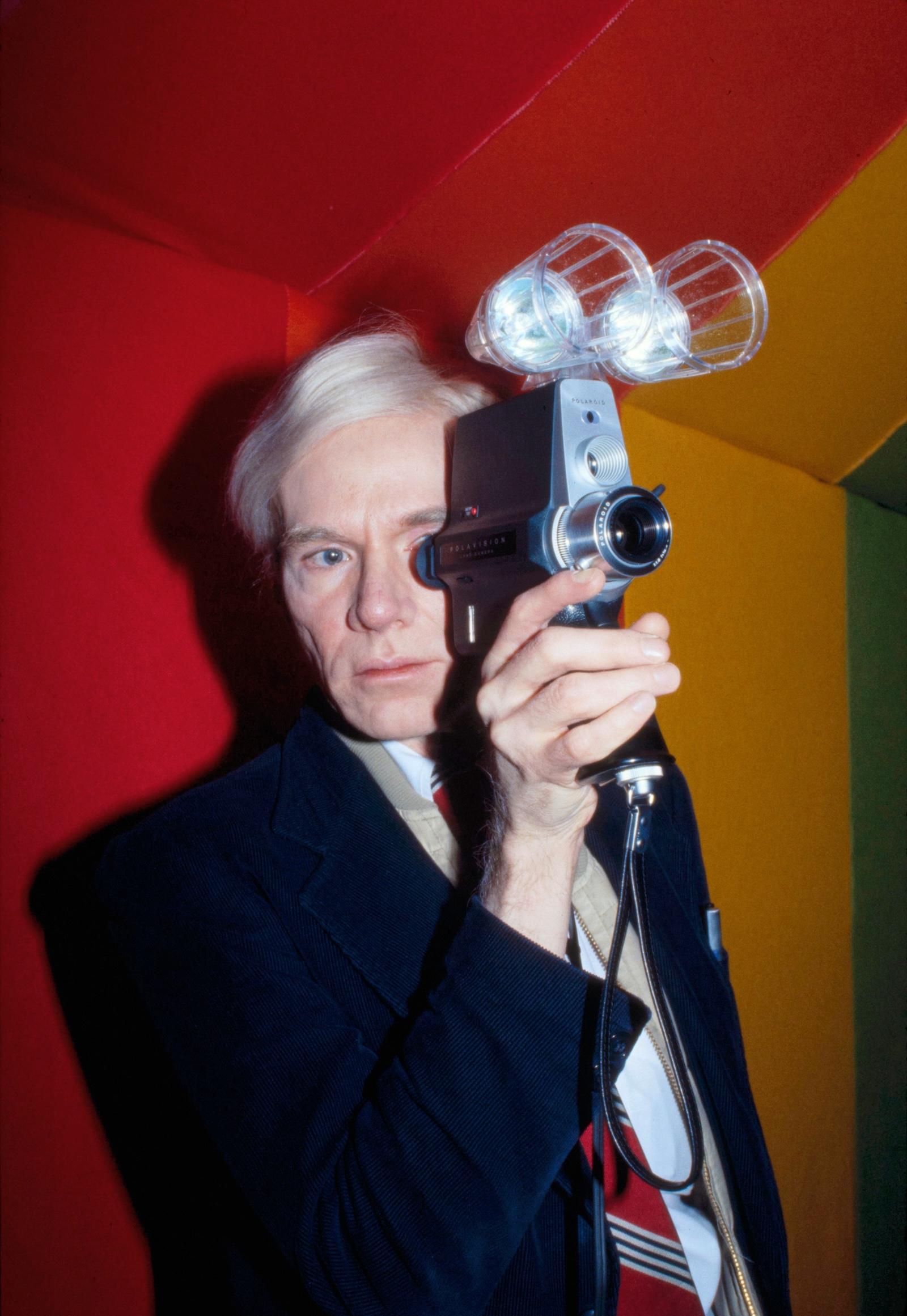
Andy Warhol in 1978. License.

The Perlmans originally sued Roberts individually in 2024 after Christie’s raised doubts about authenticity, at which point they settled for an undisclosed sum. This latest filing points to a much broader network of deceptive actors taking advantage of unsuspecting buyers. A convincing stamp or certificate can persuade collectors to skip deeper provenance research. Those interested in acquiring a Warhol are no longer even able to turn to the Andy Warhol Foundation for answers, since that institution dissolved its authentication board in 2012 over value inflation accusations. Well-coordinated dealers and authenticators can easily vouch for each other, so each fake lends credibility to the next.

Warhol has long been a favored target for art criminals. In February 2024, a perpetrator from Massachusetts was sentenced to 37 months in prison and ordered to pay $475,000 for selling two counterfeit Warhol paintings. He had sold the originals to a gallery years earlier, commissioned multiple replicas, and listed them on eBay with fraudulent Warhol Foundation numbers.

However, Warhol has not been the only popular artist affected recently. Italian police seized more than 2,100 fakes after uncovering a 38-person international forgery operation in 2024. Mere months later, another 71 paintings were found in an Italian art forgery workshop raid. In April 2026, a Polish father and daughter living in New Jersey pleaded guilty to selling counterfeit works attributed to the likes of Banksy and Pablo Picasso. They commissioned a Polish artist to paint the forgeries on antique paper and consigned the results to galleries and major auction houses. Their most profitable fake, a Richard Mayhew, sold for $160,000 in October 2025. Both face prison time, $1.9 million in restitution, and deportation.
WikiCommons

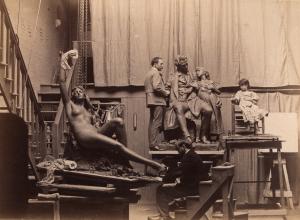
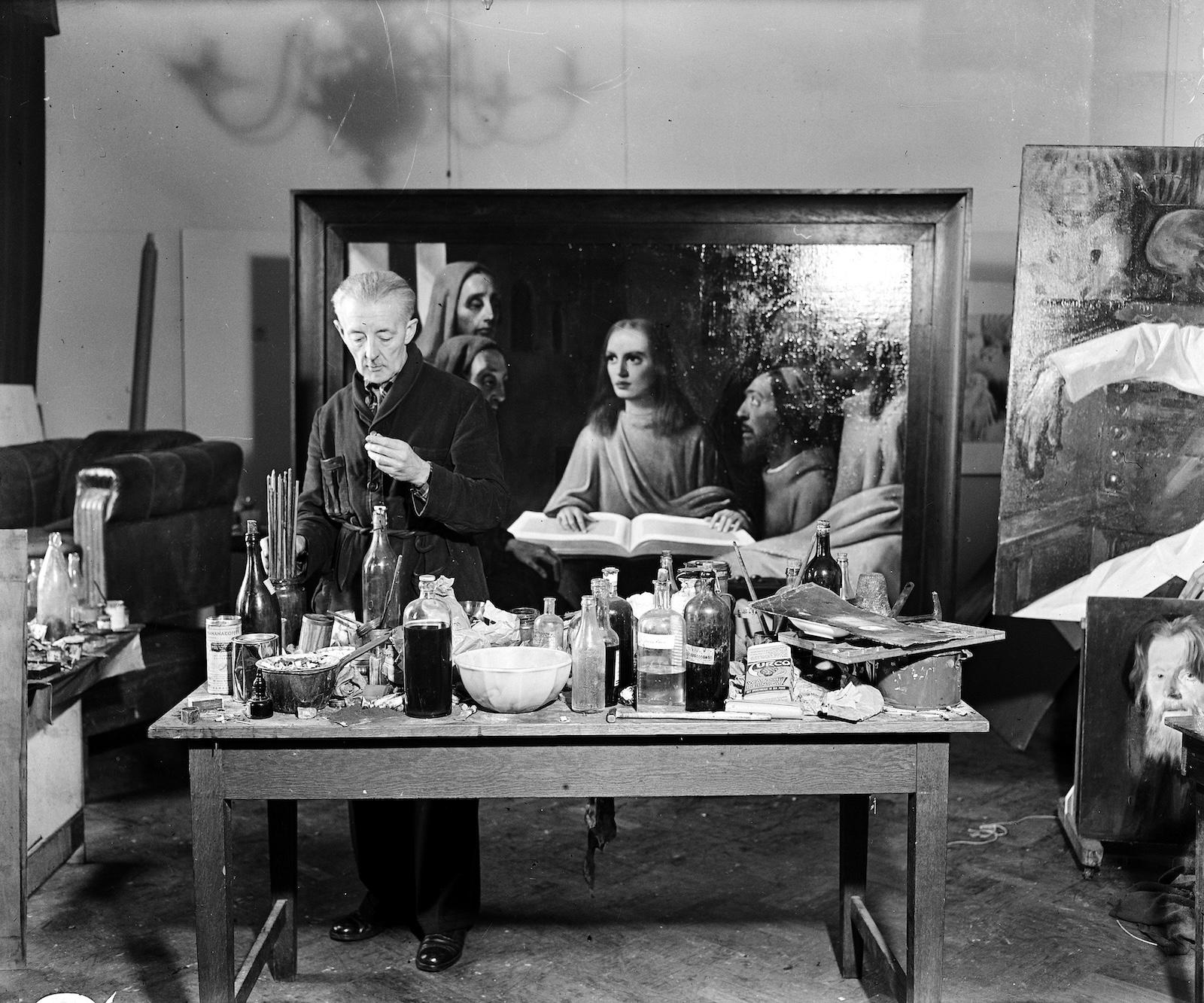
World War II-era art forger Alois Miedl. License.

Copying great artwork goes back as far as collecting itself. Ancient Roman sculptors reproduced Greek statues for study and devotion, but never with the intent to deceive. The 2011 collapse of M. Knoedler & Co. amid allegations of forged paintings by Jackson Pollock and Mark Rothko showed how far fakes can travel through channels perceived as reputable. Richard Perlman’s lawsuit brings to light the organized industry behind forgery that depends on paperwork and willing intermediaries, as much as a painter’s hand. Until provenance becomes easier to verify, through AI or other means, buyers remain at risk of paying for works whose most convincing feature is their documentation. 

About the Author

Annah Otis

Annah Otis is a New York City-based contributor to Art & Object with a master’s degree in art history. She is also a marketing communications executive.

Subscribe to our free art newsletter!

Webform
Art and Object Marketplace - A Curated Art Marketplace