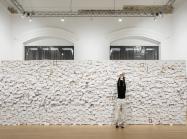

The allegorical manifestation of "the four continents" is a visual staple of Western art from the colonial period and the 18th century in particular. Used to uphold the idea of European superiority and justify colonialism itself, the iconography associated with each continent is deeply rooted in racism.
Interviews & Essays
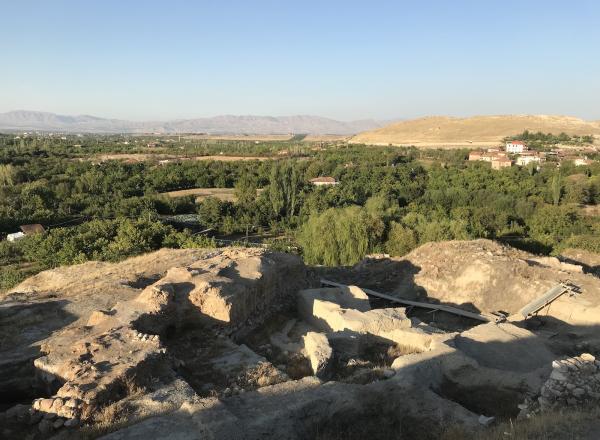
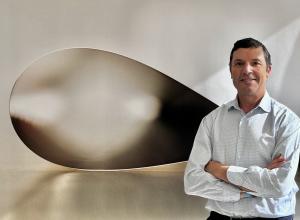
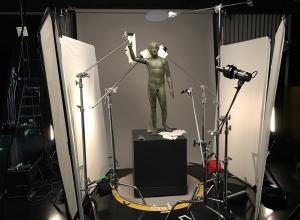
A quiet ceremony at the Canadian Conservation Institute in Ottawa marked a turning point in international cultural property law in recent weeks.
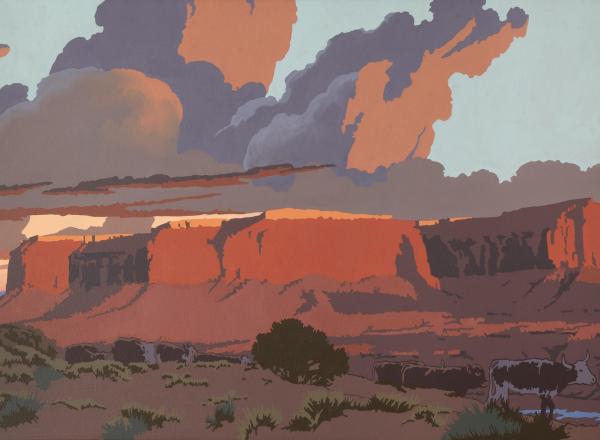
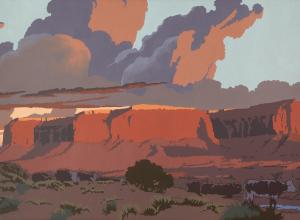
Nestled in the sagebrush-dusted mountains of northern New Mexico, more than 5,000 feet above sea level, is a small, quaint city constructed mainly of adobe and dating back to 1607 that just happens to be one of the world’s biggest and most vibrant art centers. Italy has a term for its urban cultural treasures—città d’arte, or art city.
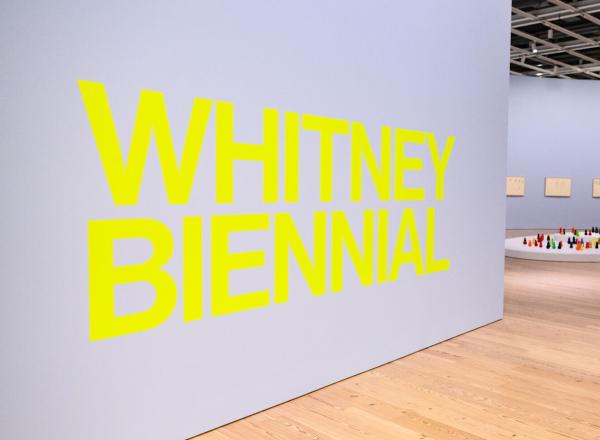
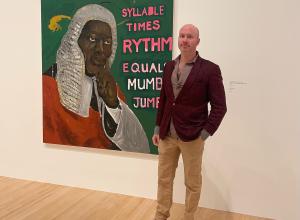
The 82nd edition of the Whitney Biennial opened to the public on March 8, 2026. Curated by Marcela Guerrero and Drew Sawyer, Sawyer comes to the Whitney after several years at the Brooklyn Museum, and Guerrero took on her role in 2022—the first Latina to co-curate the Biennial. With press and VIP previews starting as early as March 3, the arts media was flooded with wildly varied opinions on this iteration, most leaning towards the negative.
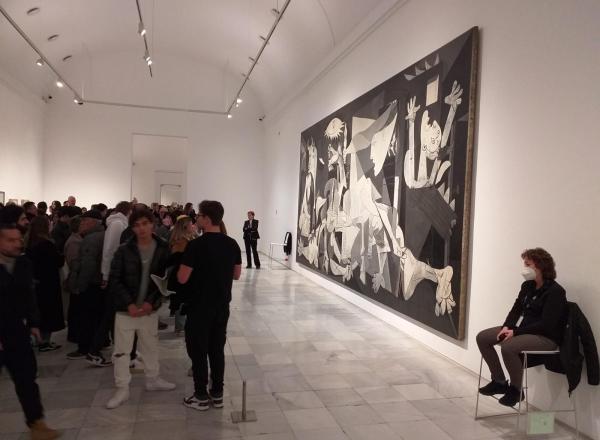
From the moment Pablo Picasso finished painting Guernica in 1937 for the World’s Fair as a response to the German and Italian bombing of Gernika, the over-25-foot canvas has functioned as both an artwork and an argument.
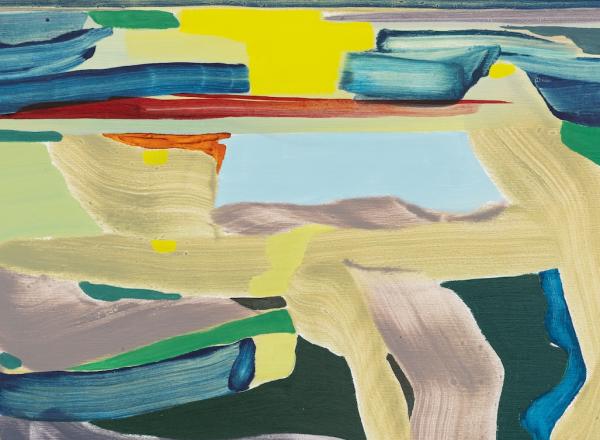
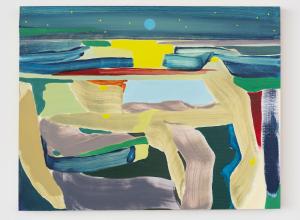
Riding the waves of history and biography, Annette Hur gives shape to passion, disillusion, longing, fear, and self-realization. Bridging her native South Korea and her adopted hometown of New York, she has embarked on a watery route from shore to shore, holding the extremities apart and in place, secured by an unbreakable psychological magnetism and the gravitational pull of the moon.
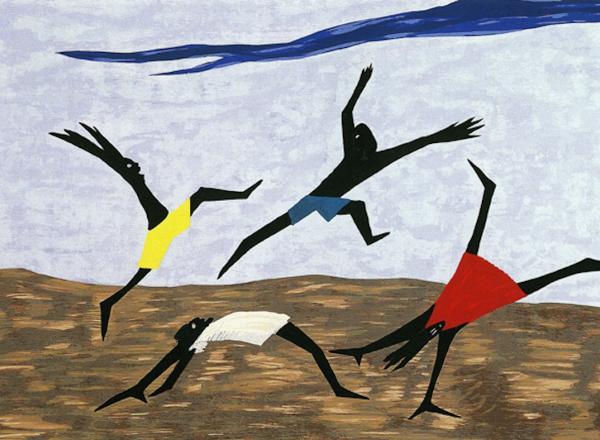
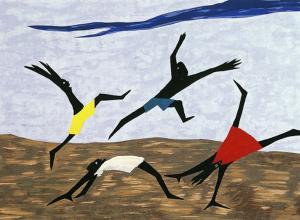
The Harlem Renaissance was an artistic and political movement that redefined Blackness in the United States as an act of liberation from post-antebellum discrimination and stereotypes, evidenced by Jim Crow laws and an abundance of blackface on-screen. Within this movement, Harlem in New York City served as the epicenter of Black philosophy, art, and music from the mid-1920s through the 1930s.

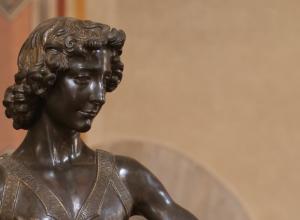
From Michelangelo's marble masterpiece to equally amazing but lesser-known works, here are some of the most fascinating representations of David in Renaissance and Baroque arts
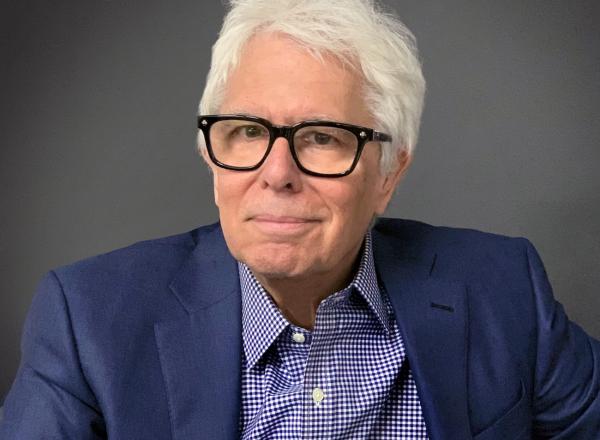
I’d always been interested in Northern European painting, the earliest practitioners like Jan van Eyck, Rogier van der Weyden and all the supernumeraries that circulated around the Eyckian solar system—painting and sculpture from the Netherlands and Germany between 1330 to 1520 or so. As a painter myself during college and after, I had a great interest in the technical underpinnings as well as the subject matter.
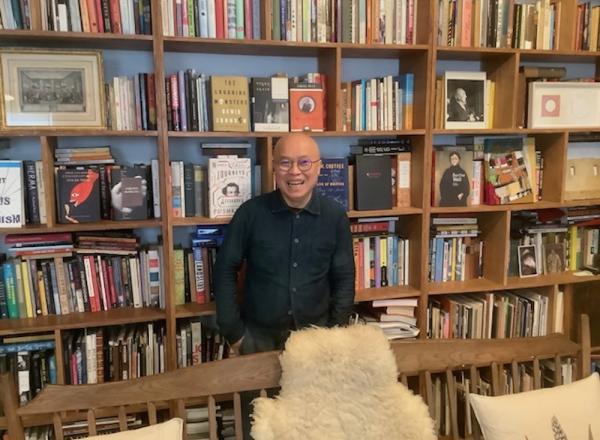
Phong H. Bui is a lot of people. He is co-founder, publisher, and artistic director of The Brooklyn Rail, a monthly journal that features interviews, museum and gallery shows, book-music-dance-theater reviews, and even fiction. Bui also writes the monthly editorial that is political, cultural, global, and insightful.