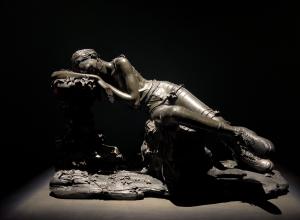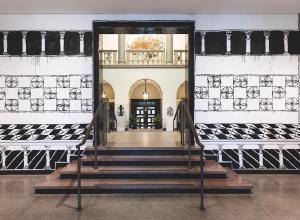



In Andrianna Shamaris’ SoHo penthouse, reclaimed 17th-century floorboards, sun-bleached teak furnishings, carved Indonesian artifacts, and aged brick walls together convey a certain mood. “This loft is about imperfection,” the furniture designer says. “I didn’t want flat walls or sterile surfaces.
Latest Art News
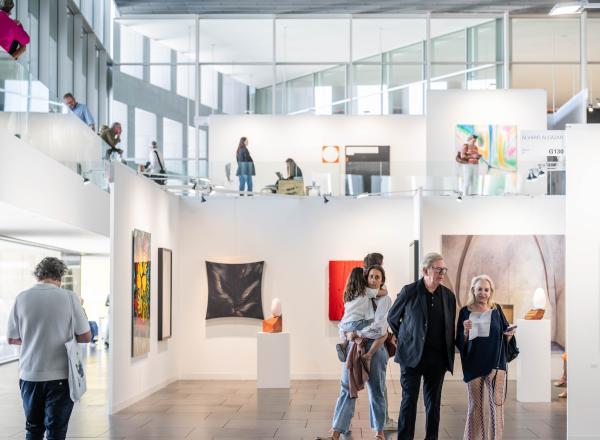
Art Cologne was born out of frustration back in 1967. Germany's post-war art market had gone quiet and closed-off, so a handful of dealers decided to try the opposite of the usual private, invitation-only affair: something public, something a middle-class collector could walk into feeling just as welcome as a wealthy one.

Since our very first president, Americans have adorned themselves with political messages. A compact way to tell the world about your political views and preferred candidates, buttons and pins have long served as simple, easy ways to boldly show your support.
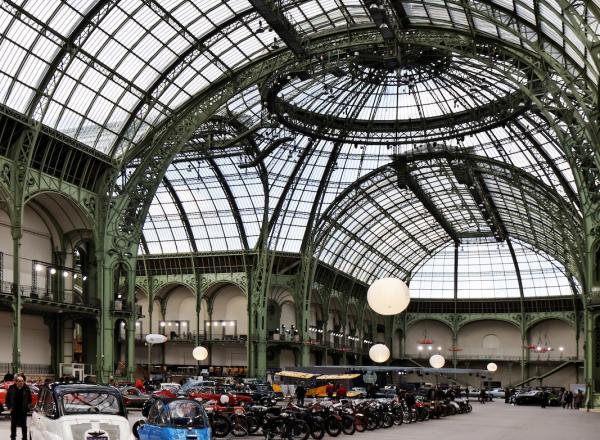
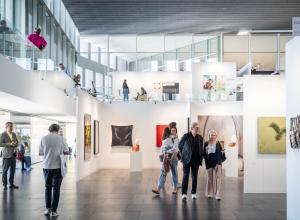
Anti-ram barriers and round-the-clock security ringed the Grand Palais when Art Basel Paris opened its doors to an invite-only group of collectors on October 20 as protests continued across France.
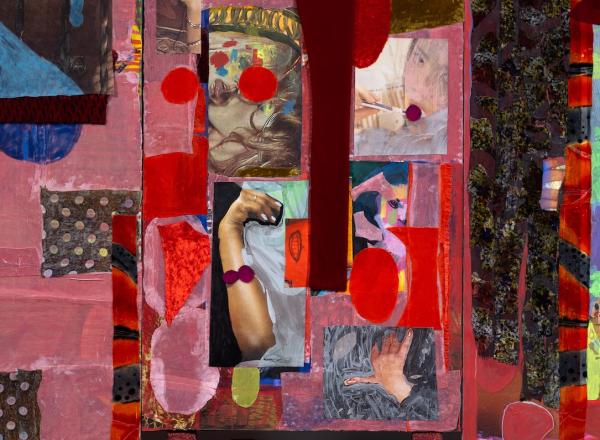
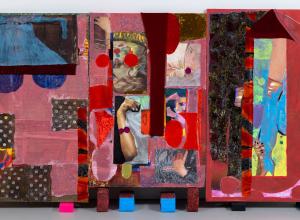
In the fall of 1991, a large, tall, and very dramatic four-part purple piece in Plastic Fantastic Lover (Object A), a group show of 21 women artists at the former Blum Helman warehouse in SoHo, captured the public’s attention.
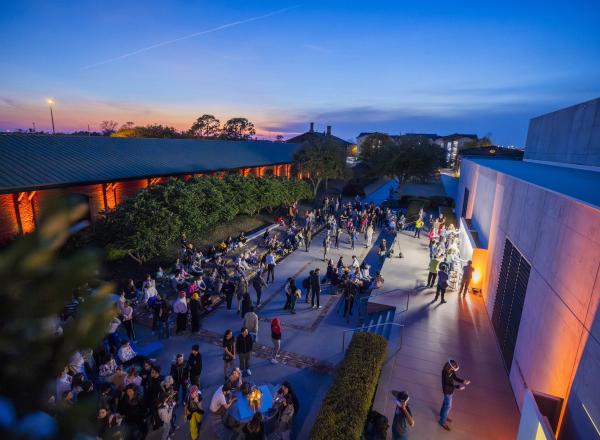
For many, the changing of the seasons signals a time to start considering college tours and applications, and Art & Object is here to help with the process. For the upcoming 2027 school year, we’ve compiled the top 15 undergraduate art schools in the United States to aid students in finding their perfect match.


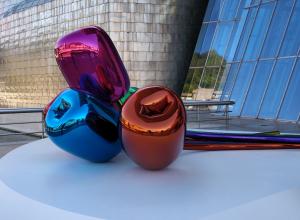
Nine works from a private collection that the New York Times identified as belonging to Jeff Koons will be auctioned at Christie’s on November 17 as part of a sale titled “Heroes & Lovers: Property of a Distinguished Collector.” The group carries a combined estimate above $100 million wi
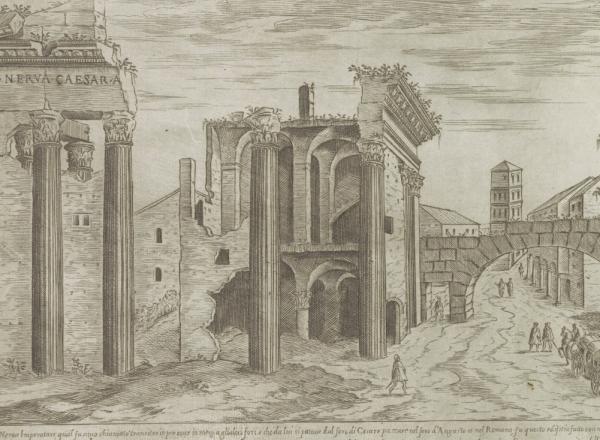
Even before the end of antiquity, the monuments of ancient Rome were cannibalized to build new structures. Columns were repurposed and marble decoration was stripped and recut or burnt for lime. As Rome’s population collapsed during the Medieval period and areas of the city were largely abandoned, many buildings fell due to neglect or came down violently in earthquakes, making their remains even easier to quarry.

In 1989, Paris’ Magiciens de la Terre foreshadowed much of what followed. By bypassing national pavilions and placing artists from around the world side by side, it anticipated the decentralized, global format of today’s biennials.