At Large  May 27, 2026  Annah Otis

Why Art Fairs Have Become Venues of Protest

WikiCommons

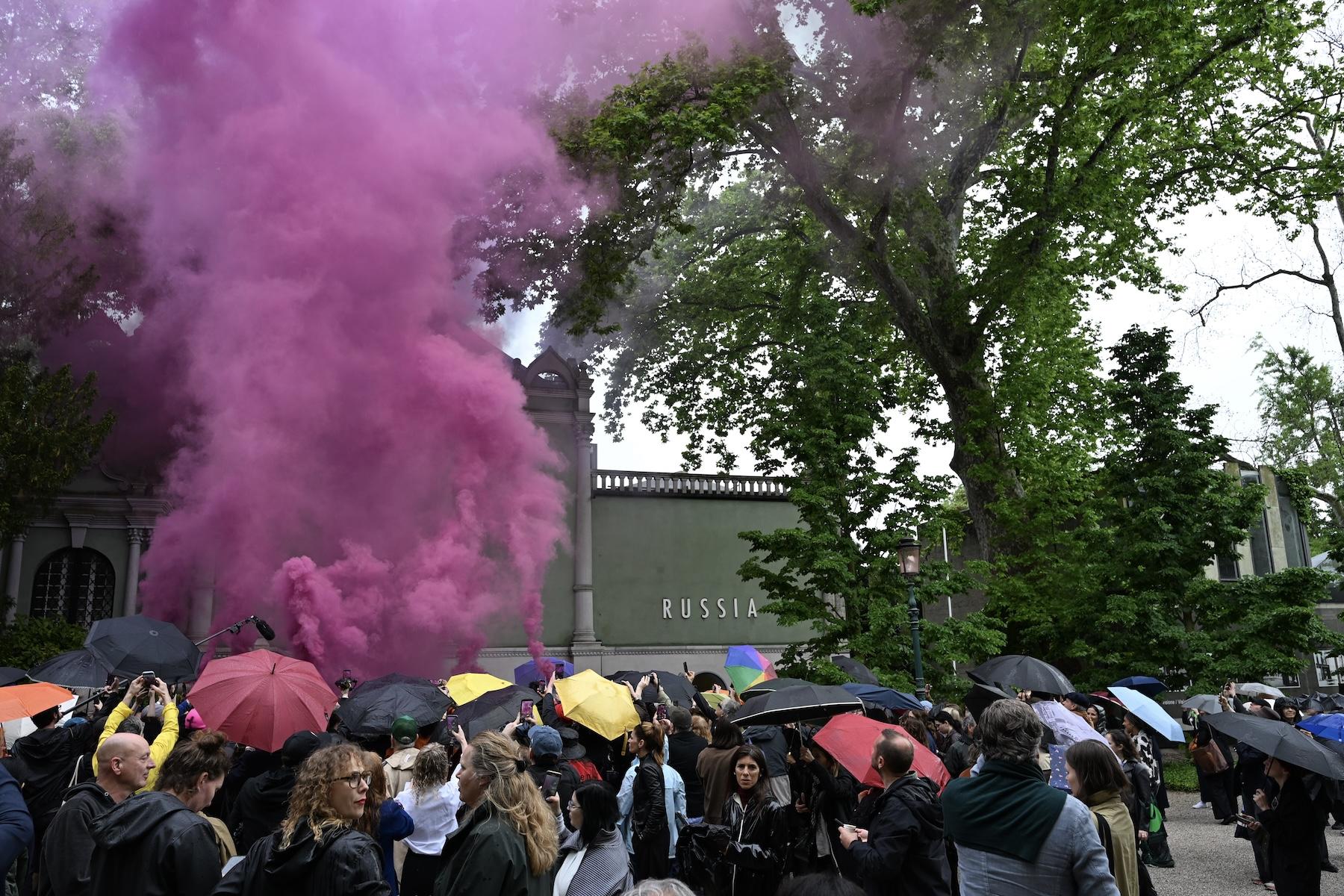
Pussy Riot and FEMEN protestors at the Russian pavilion at the 2026 Venice Biennale. License.

The 61st Venice Biennale, which opened May 9 and will run through November 22, was shadowed even before its five-person jury resigned nine days before the opening in protest of the participation of countries currently under investigation by the International Criminal Court for human rights abuses. Art fairs have increasingly become stages for geopolitical protest as much as platforms for emerging art.

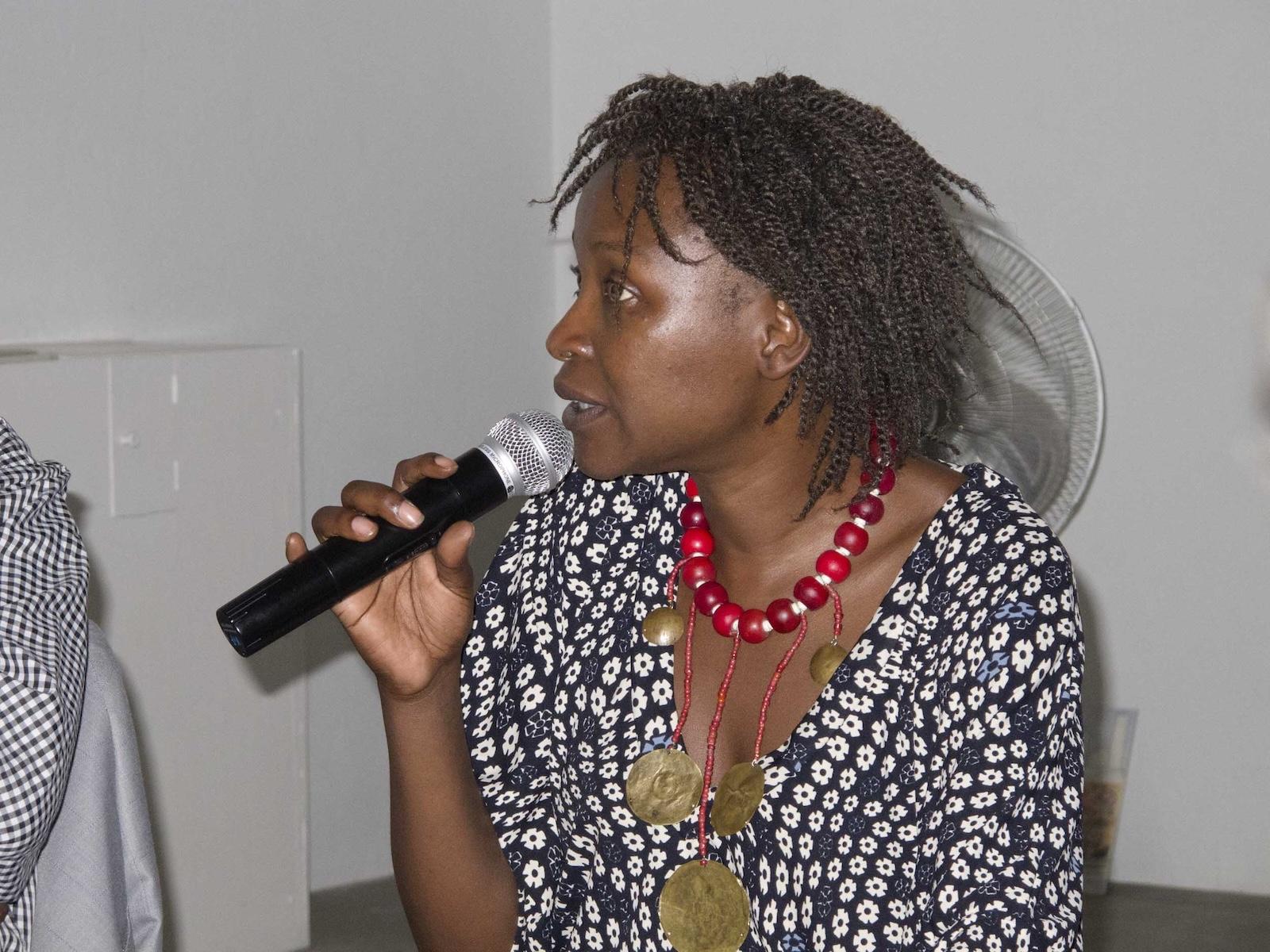
This Biennale’s misfortunes began when Koyo Kouoh, the Cameroonian curator appointed to lead the show and only the second African person selected to organize the fair’s main exhibit, died of liver cancer shortly after being chosen. Five colleagues stepped in to realize her vision for “In Minor Keys,” but what was supposed to be an “intimate and convivial show” has quickly become tangled in current affairs.

WikiCommons

Koyo Kouoh. License.

About 50 members of feminist organizations opposing the invasion of Ukraine—including Pussy Riot and FEMEN—descended on the Russian pavilion in a cloud of colored smoke on the second day of VIP previews. Protestors chanted “Blood is Russia’s art” and “Disobey” for half an hour before dispersing peacefully. Perhaps in anticipation of a negative reception, the Russian pavilion scheduled a series of musical performances to be recorded before the Biennale even opened; these are now being shown as reruns on screens for the duration of the show. It is the first time the country has participated in the fair since its 2022 invasion of Ukraine.

Biennale organizers have drawn criticism for their willingness to include Russia and Israel in this year’s show, even though the Italian government and European Union have publicly shown disdain for the decision. Alessandro Giuli, Italy's Minister of Culture, declined to attend previews of the main exhibition and the opening day, while the European Union cut two million euros in funding. The international jury slated to select the best national pavilion and best participant in the main curated show for Golden Lion awards likewise resigned. Instead, visitors will now be able to vote for the winners in an ironically democratic turn of events.
WikiCommons

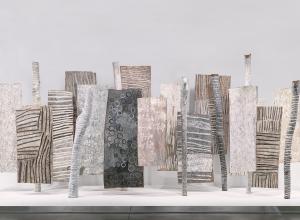
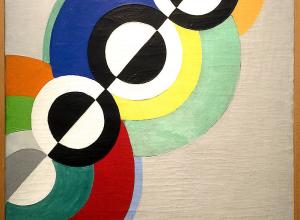
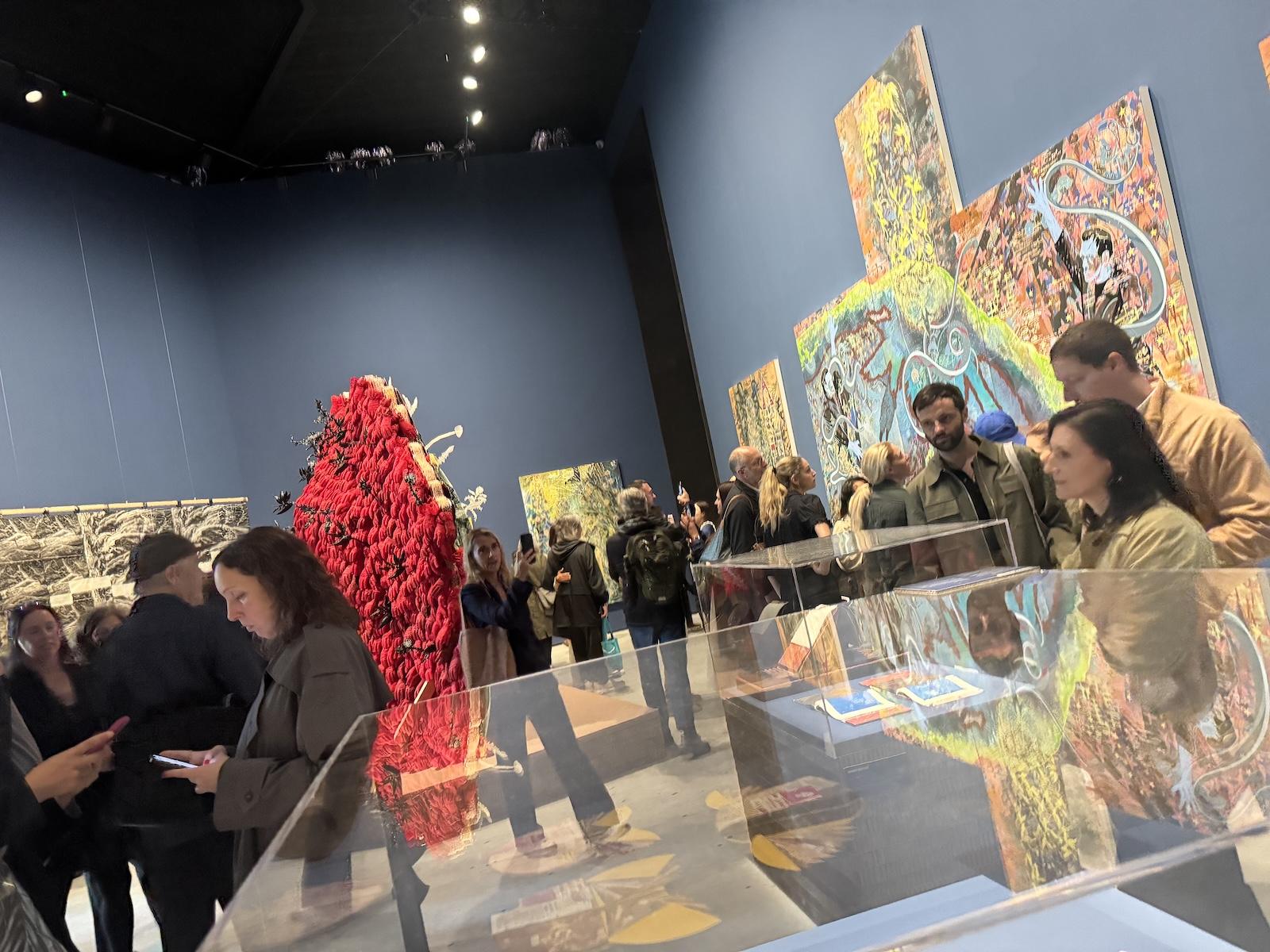
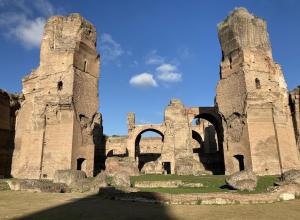
“In Minor Keys,” the main curated exhibition at this year’s Biennale. License.

Given that art and sociopolitical circumstances are so often intertwined, it is no surprise that art fairs (and museums) are popular venues to air grievances. It just so happens that the frequency of discord and disagreement in our world seems to be growing louder—or at least more readily visible. As a result, the fine art community is increasingly being asked to face hard questions about complicity and moral authority. 

The last two years alone have seen an incredible uptick in activism at shows. The 2024 Venice Biennale saw sustained pressure to boycott and shutter the Israeli pavilion. That same year, the Biennale of Sydney was roiled by petition and solidarity actions around Palestine. At Frieze London later in the year, protestors targeted private aviation and Middle East politics. In early 2025, Frieze Los Angeles faced criticism over institutional silence on Gaza. Art Basel’s announced expansion in Qatar prompted artists to raise objections about labor rights, LGBTQ+ rights, and state cultural branding. Also in 2025, artist-led demonstrations addressed ICE operations and a broader authoritarian turn during New York’s spring fair week.

How the Venice Biennale unfolded this year makes it clear that institutional pageantry and fresh expectations create a reliable pressure point. More importantly, artists, activists, and juries have learned to use it.

About the Author

Subscribe to our free e-letter!

Webform
Art and Object Marketplace - A Curated Art Marketplace
Loading categories...