
Auction  June 3, 2026  Annah Otis

A Closer Look Into the $2.5 Billion Spring Auction Rebound

WikiCommons

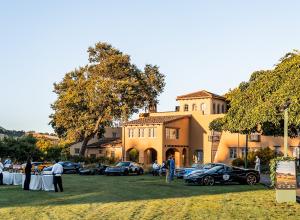
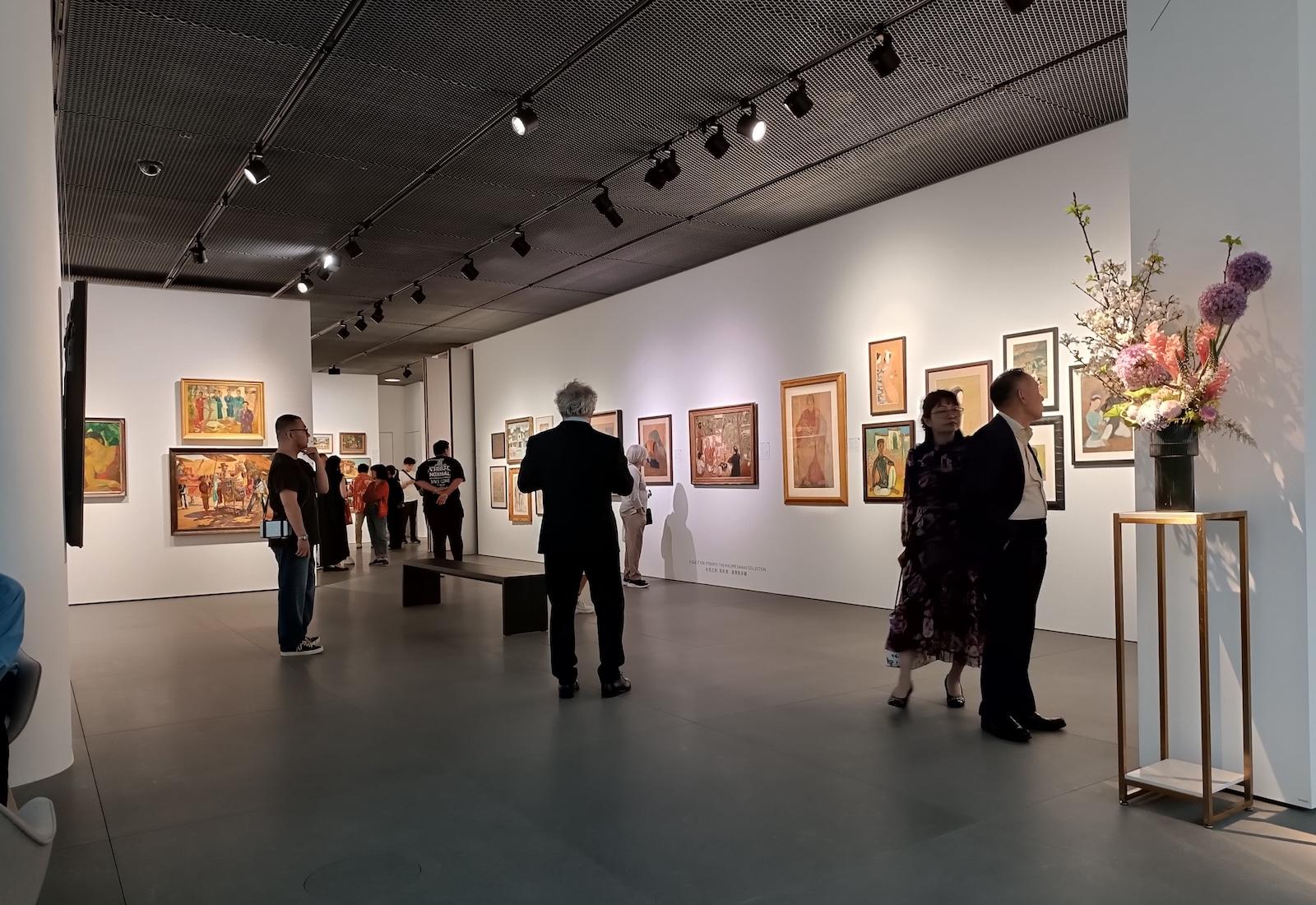
An auction preview at Christie’s last spring. License.

New York’s marquee spring auctions have wrapped with a combined $2.5 billion in sales across Christie’s, Sotheby’s, and Phillips. The figure is more than double last May’s $1.3 billion tally, but some pre-sale financial engineering and an unusually high-quality collection of 20th-century works might deserve more credit for the bump than a general increase in art market health.

Dozens of pieces by big name artists like Jackson Pollock and Mark Rothko were offered from no less than nine prominent estates, including those of media mogul S.I. Newhouse and gallerist Marian Goodman. There was no shortage of high-caliber, historically significant art, which has taken on the social currency of buying a stake in a professional sports team or purchasing a stretch of beachfront property in the Hamptons. And with 288 new billionaires minted in 2025, there are plenty of buyers looking for the gravitas of owning a Picasso.

WikiCommons

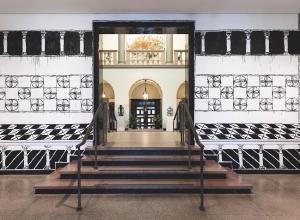
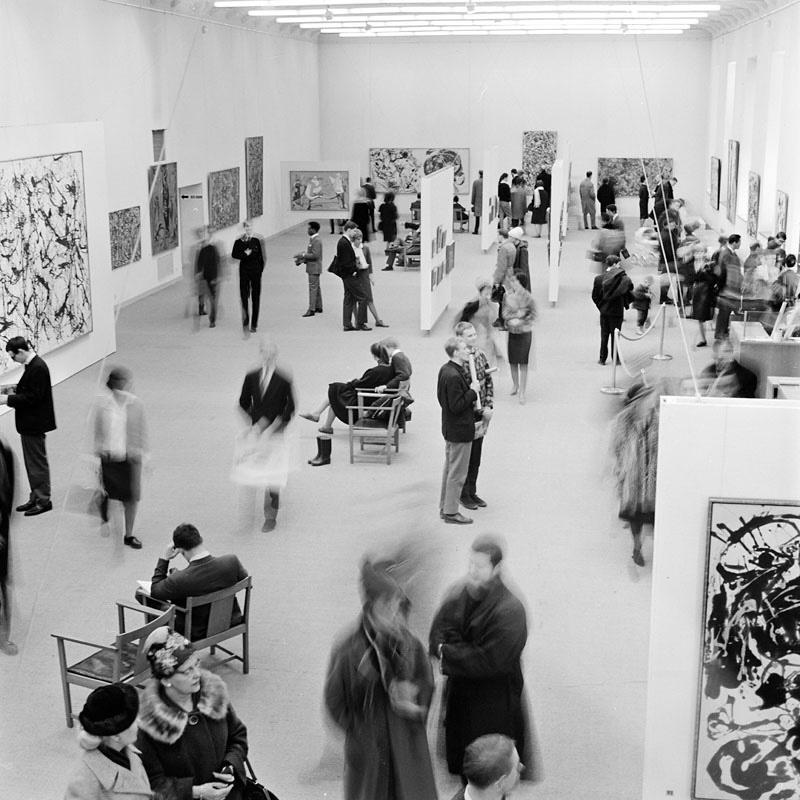
A Jackson Pollock exhibition in Stockholm. License.

Christie’s led the season with $1.5 billion in sales, while Sotheby’s followed with $908.6 million and Phillips with $146 million—each up 82% to 116% from last year. The centerpiece of Christie’s offerings was a 16-lot collection assembled by Newhouse that fetched $630 million and far surpassed its presale estimates. 

Pollock’s Number 7A, 1948, which was painted on the floor of an East Hampton barn in 1948 and is the earliest of his drip paintings to come to auction since 1961, sold for $181 million after a seven-minute bidding war. Newhouse had acquired the painting in 2000 for $32 million ($61.8 million adjusted for inflation). Constantin Brâncuși’s gold Danaïde sculpture brought $107 million, and Rothko set a new auction record with No. 15 (Two Greens and Red Stripe) at $98.4 million. Sotheby’s sold another Rothko for $86 million.

Yet, more than half of the lots in the spring evening sales carried third-party guarantees, meaning that auction houses effectively pre-sold $1.4 billion worth of art before a single paddle went up. Under these arrangements, a financial backer commits to purchasing a work at a set price, and if a competitive bidding surpasses that figure, the backer earns a financing fee instead. Third-party guarantees significantly reduce risk for auction houses such that the outcomes for many of their most expensive lots are never really in doubt.
WikiCommons

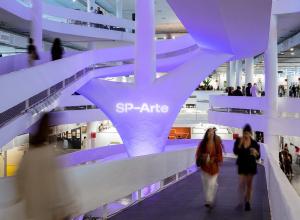
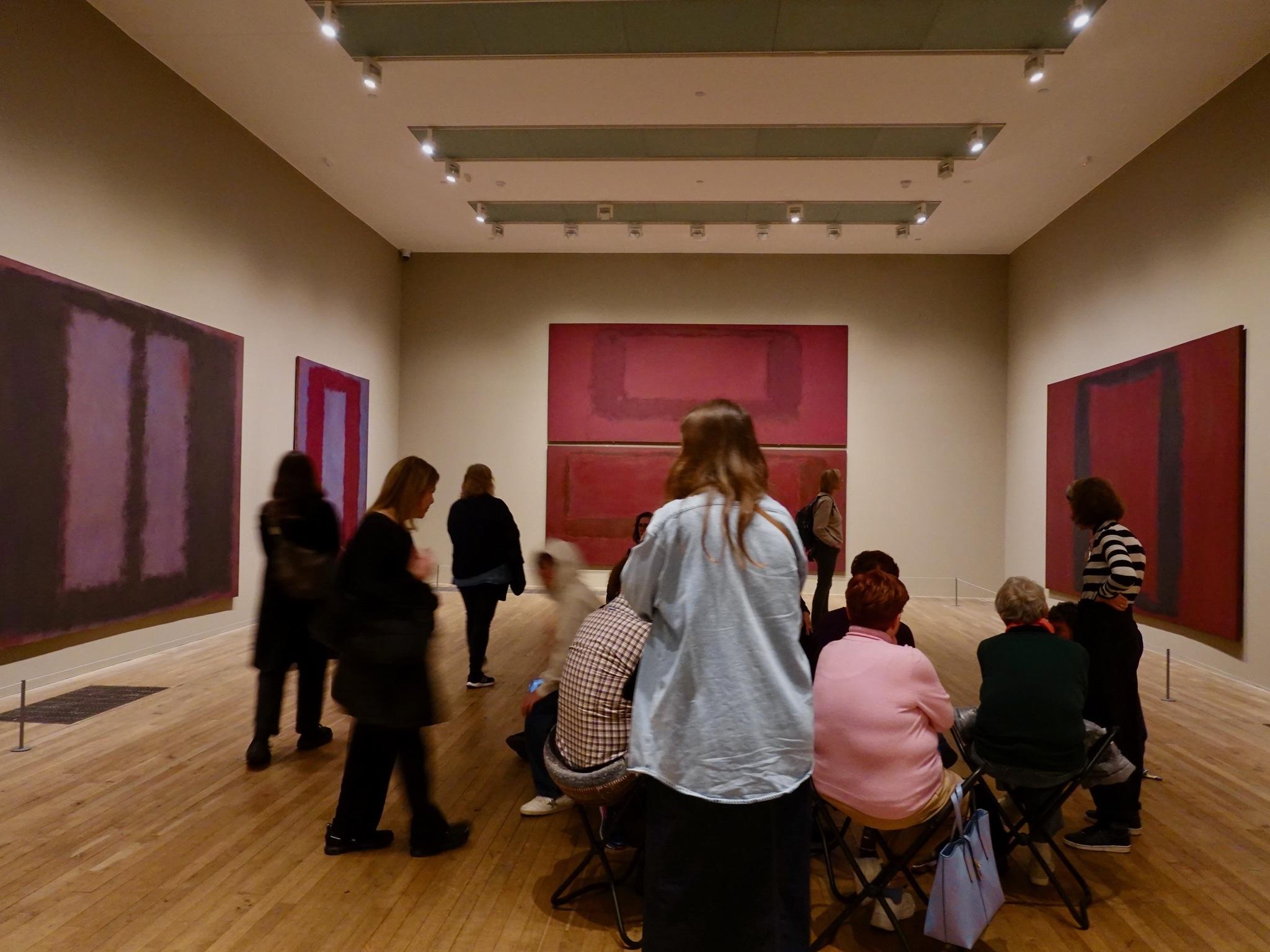
A gallery of paintings by Mark Rothko at Tate Modern. License.

Although $2.5 billion in total sales is a staggering number, it doesn’t necessarily mean that everything sold within or above estimates. Only a third of works priced between $10 million and $40 million outperformed projections in the evening sales. Those priced between $1 million and $10 million fared better, exceeding expectations almost 50% of the time. Some consignors simply lost ground: a Pollock that sold for $15.3 million in 2024 declined in sale value by 46%, and an Andy Warhol silkscreen of Elvis Presley came in nearly 49% below its 2018 hammer price.

Geopolitical headwinds have further complicated the market. Middle Eastern collectors who have been increasingly active in recent years faced travel restrictions with the war in Iran. European buyers have become more hesitant about trips to the United States. Fortunately, most of the shipping logistics and gallery travel needed for New York Art Week was arranged before current tensions escalated. The success of November sales likely boosted confidence as well. A survey from Affordable Art Fair found that 51% of art world experts surveyed at the end of 2025 anticipated increased sales this year. 

The appetite for historically significant 20th century paintings and sculptures remains strong for ultra-wealthy collectors despite the concerns around inflation, stock indices, and war that are impacting buying in other tax brackets. However, it is hard to tell if this appetite can sustain itself at the middle and emerging tiers. Either way, this spring’s auctions encourage more waiting and seeing.

About the Author

Subscribe to our free art newsletter!

Webform
Art and Object Marketplace - A Curated Art Marketplace