Gallery  May 11, 2026  Kathleen Cullen

Eco-Feminism and Post-Spirituality at the 2026 Venice Biennale

Courtesy of the artist

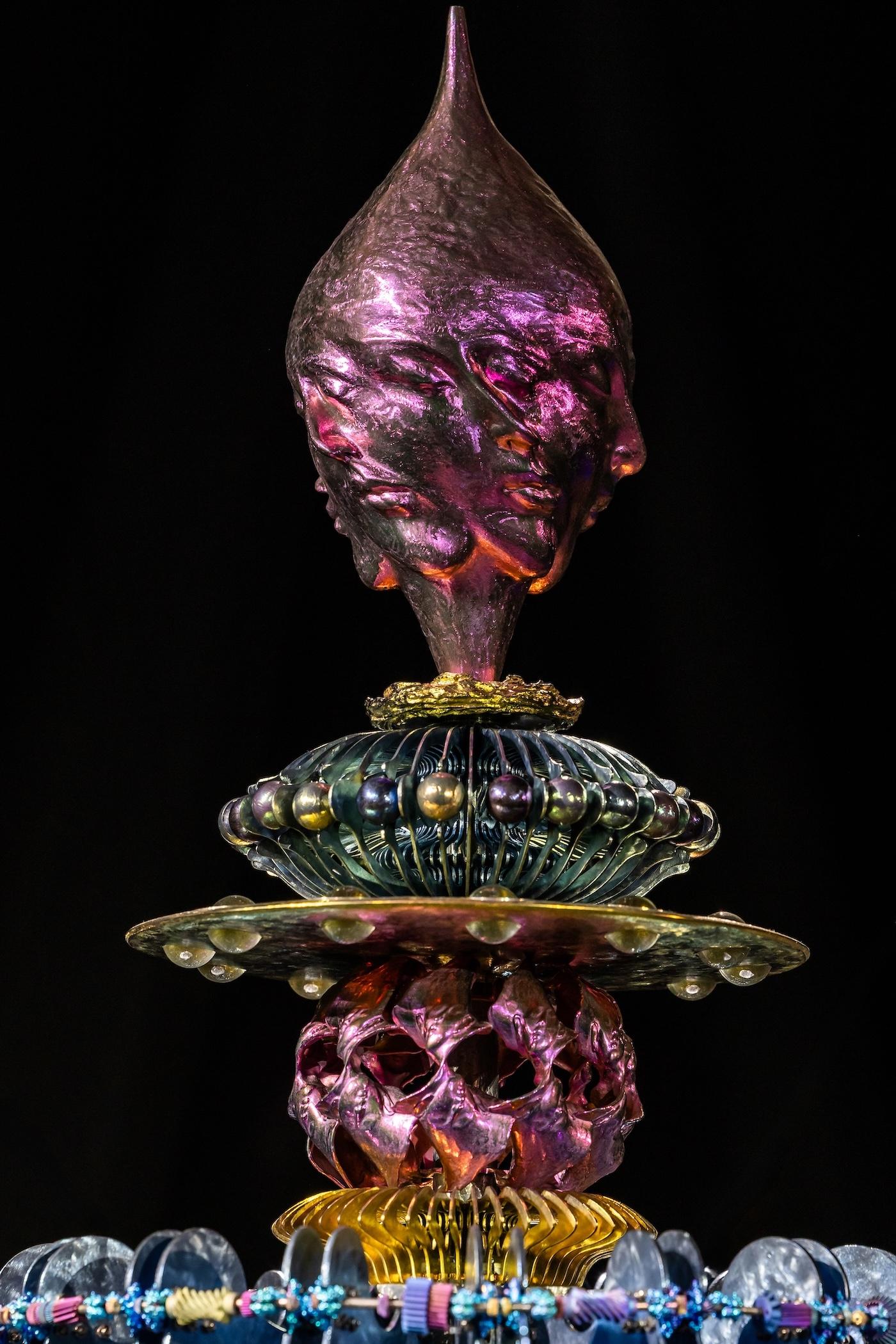
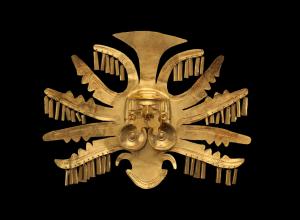
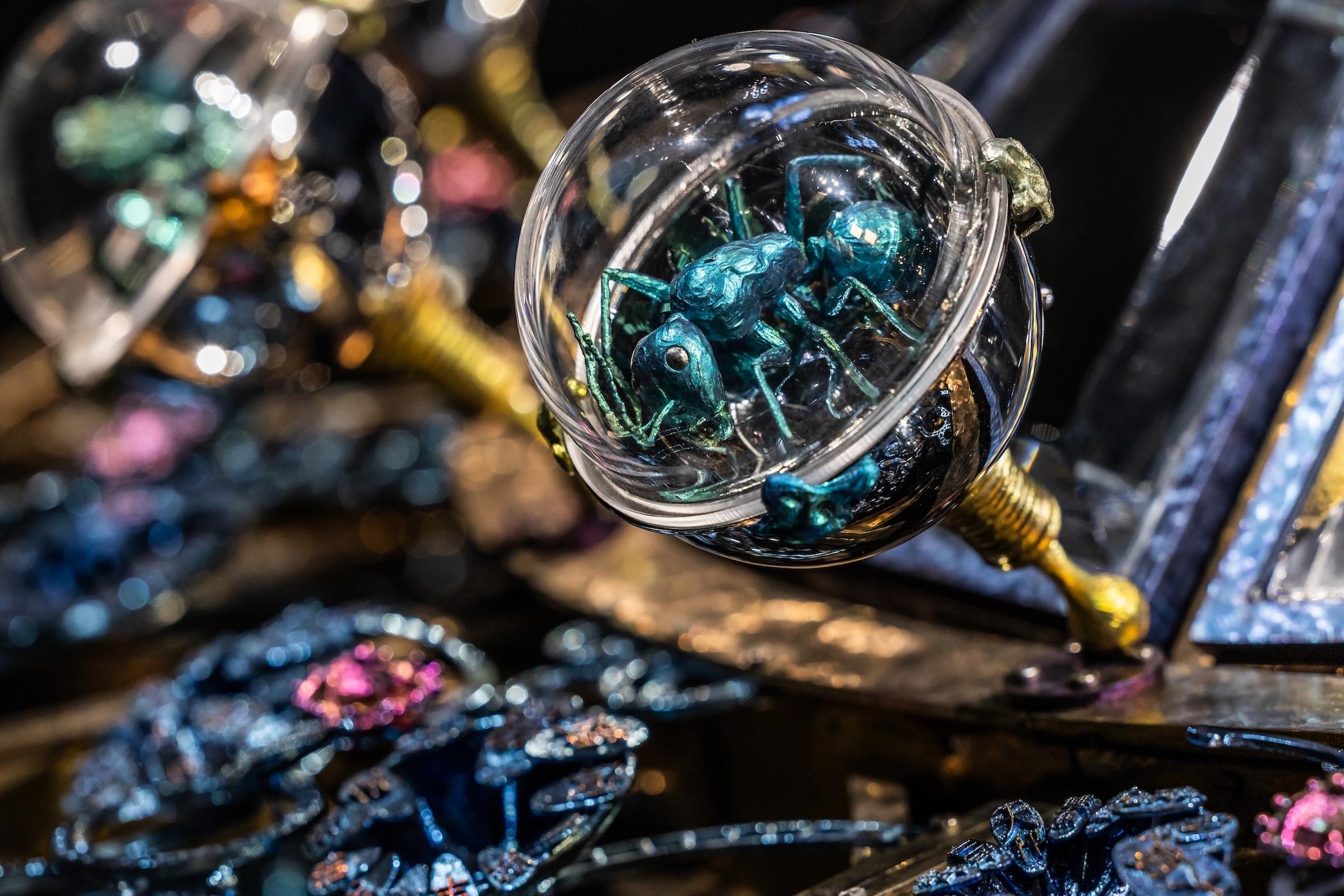
Wallace Chan, Vessels of Other Worlds, Venice Rebirth sculpture

At a Venice Biennale often defined by spectacle, scale, and geopolitical performance, some of the most consequential exhibitions of 2026 unfold quietly—through the language of vessels, memory, and care. Far from the heavily trafficked national pavilions, two exhibitions, Wallace Chan’s Vessels of Other Worlds and Jewel’s Matriclysm: An Archaeology of Connections Lost, offer a strikingly related proposition: art now functions less as critique than as a structure for survival. Both artists rely on early mythology as a jumping off point for a deeper, more human conversation. Chan proposes preservation through transcendence, while Jewel insists on repair through embodiment and relational care. Both resist spectacle in favor of stewardship.

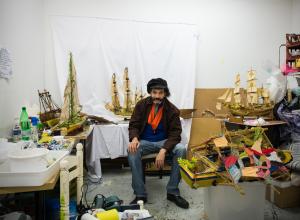
Courtesy of the artist

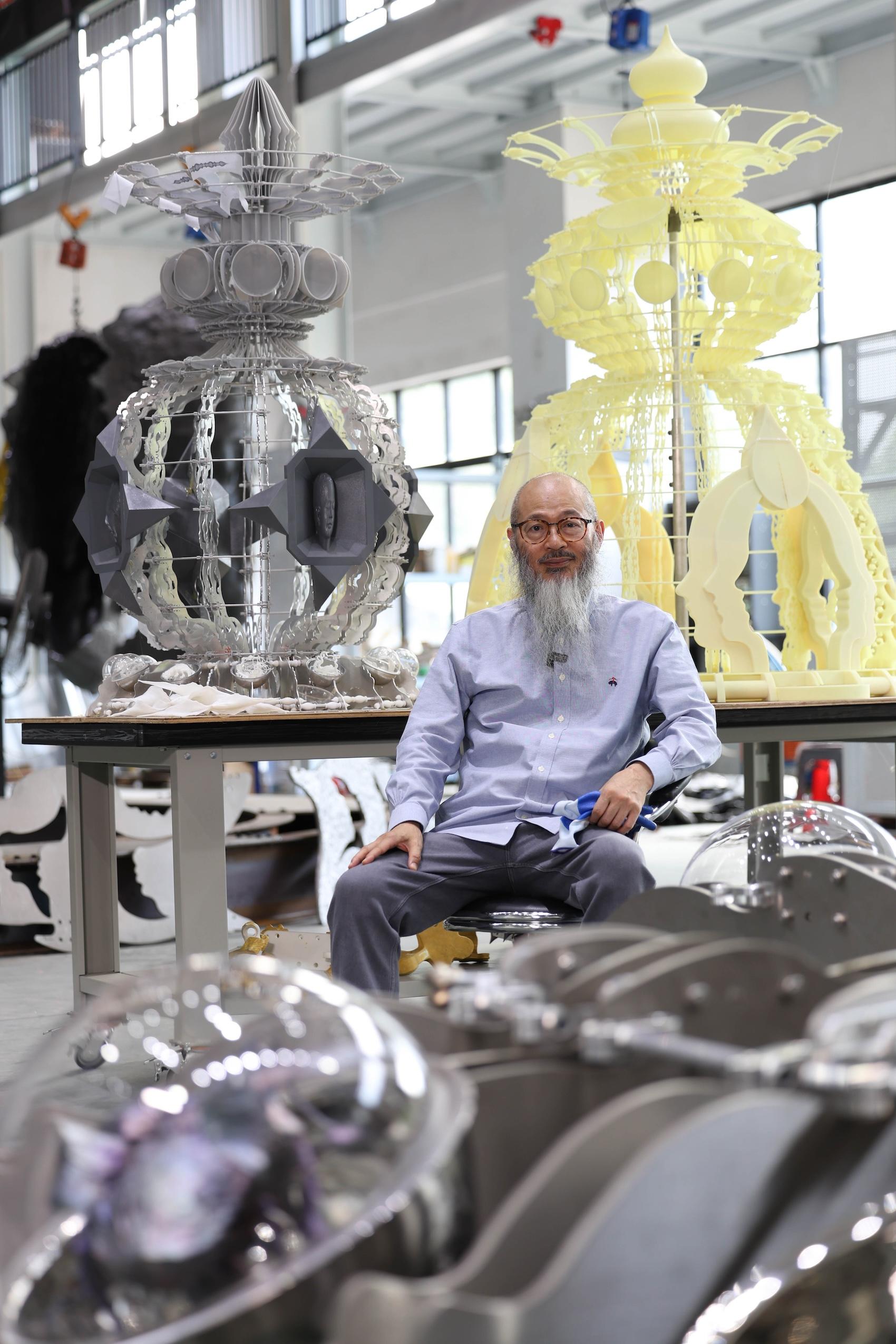
Wallace Chan with Vessels of Other Worlds work in progress

Installed within the historic chapel of Santa Maria della Pietà, Chan’s exhibition occupies the space like a suspended liturgy. His titanium sculptures—part reliquary, part cosmological fragment—appear almost untethered from gravity or chronology. They do not announce themselves with the urgency typical of Biennale culture. Instead, they slow perception, asking viewers to enter a contemplative register increasingly rare in contemporary art. 

Chan has long worked between traditions: Chinese philosophy, Buddhist cosmology, Catholic iconography, and advanced material engineering. However, Vessels of Other Worlds feels less like a synthesis of belief systems than an inquiry into what remains after systems of belief begin to fracture. His sculptures do not preach transcendence; they test whether transcendence is still materially possible.

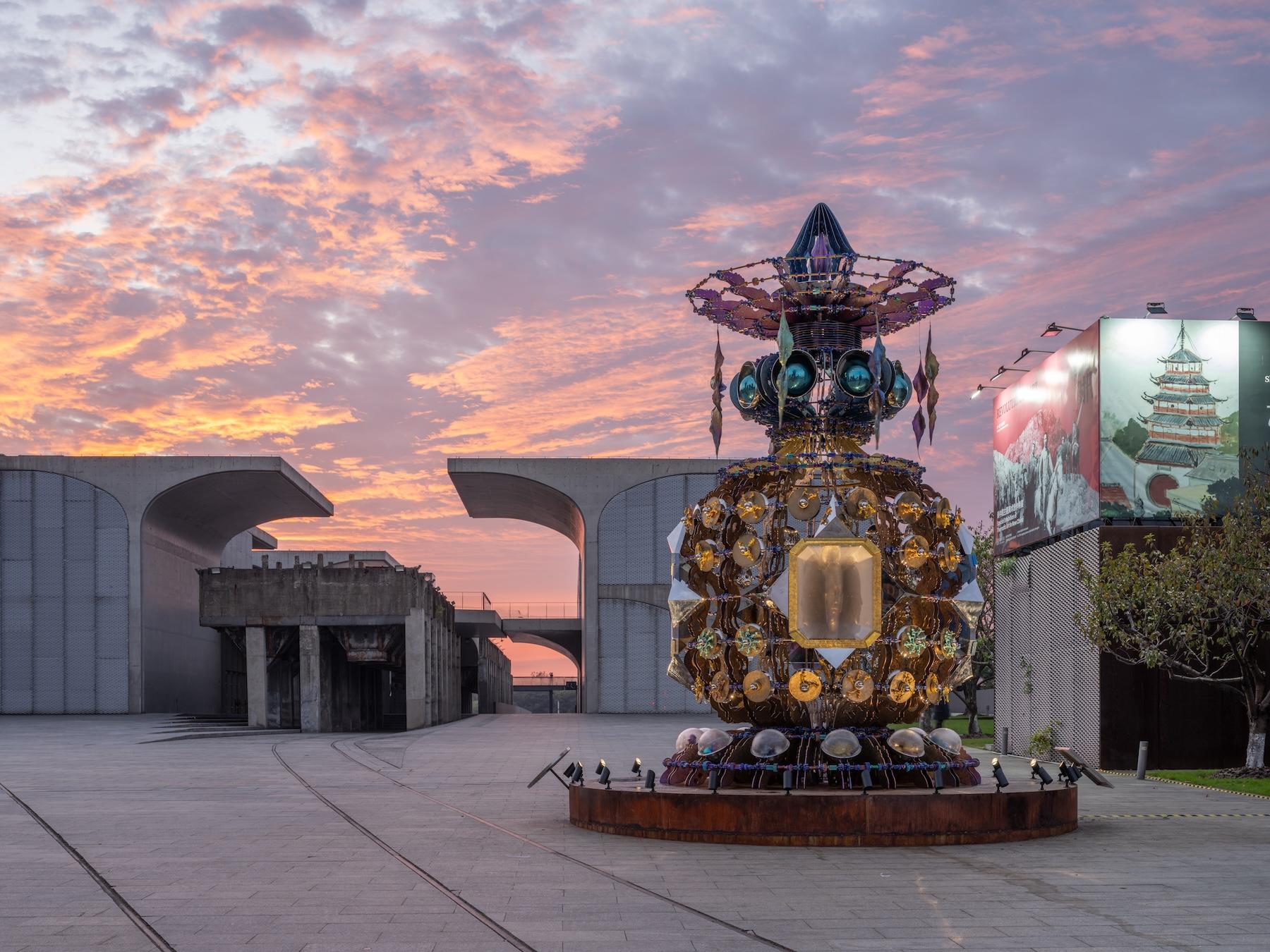
Titanium becomes central to this question. Lightweight yet nearly indestructible, industrial yet strangely celestial, the material operates in Chan’s work as a paradoxical skin for impermanence. The sculptures seem both ancient and futuristic, devotional and post-human. Their surfaces catch Venetian light like fragments of submerged architecture or ritual objects excavated from an unknown civilization.
Courtesy of the artist

Wallace Chan, Vessels of Other Worlds, Long Museum Birth sculpture

Importantly, Chan avoids nostalgia. There is no attempt to restore sacred certainty. His exhibition instead reflects a contemporary spiritual condition in which faith has become plural, portable, and provisional. In this sense, the work belongs to what might be a post-spiritual aesthetic: one that recognizes humanity’s continued hunger for transcendence while acknowledging the collapse of singular religious authority.

Venice itself amplifies this reading. A city perpetually suspended between decay and preservation, it has increasingly become a metaphor for civilizational fragility. Chan’s vessels appear almost in dialogue with this condition—holding beauty against erosion, permanence against rising water.

Courtesy of the artist

Wallace Chan, Vessels of Other Worlds, Venice Rebirth sculpture

If Chan explores what can still be preserved, Matriclysm: An Archaeology of Connections Lost confronts what has already been damaged. Across sculpture, sound, and painting, the exhibition advances an explicitly eco-feminist framework in which the feminine body, the ocean, and the maternal line emerge as interconnected systems of memory and care destabilized by extraction, patriarchy, and climate collapse.

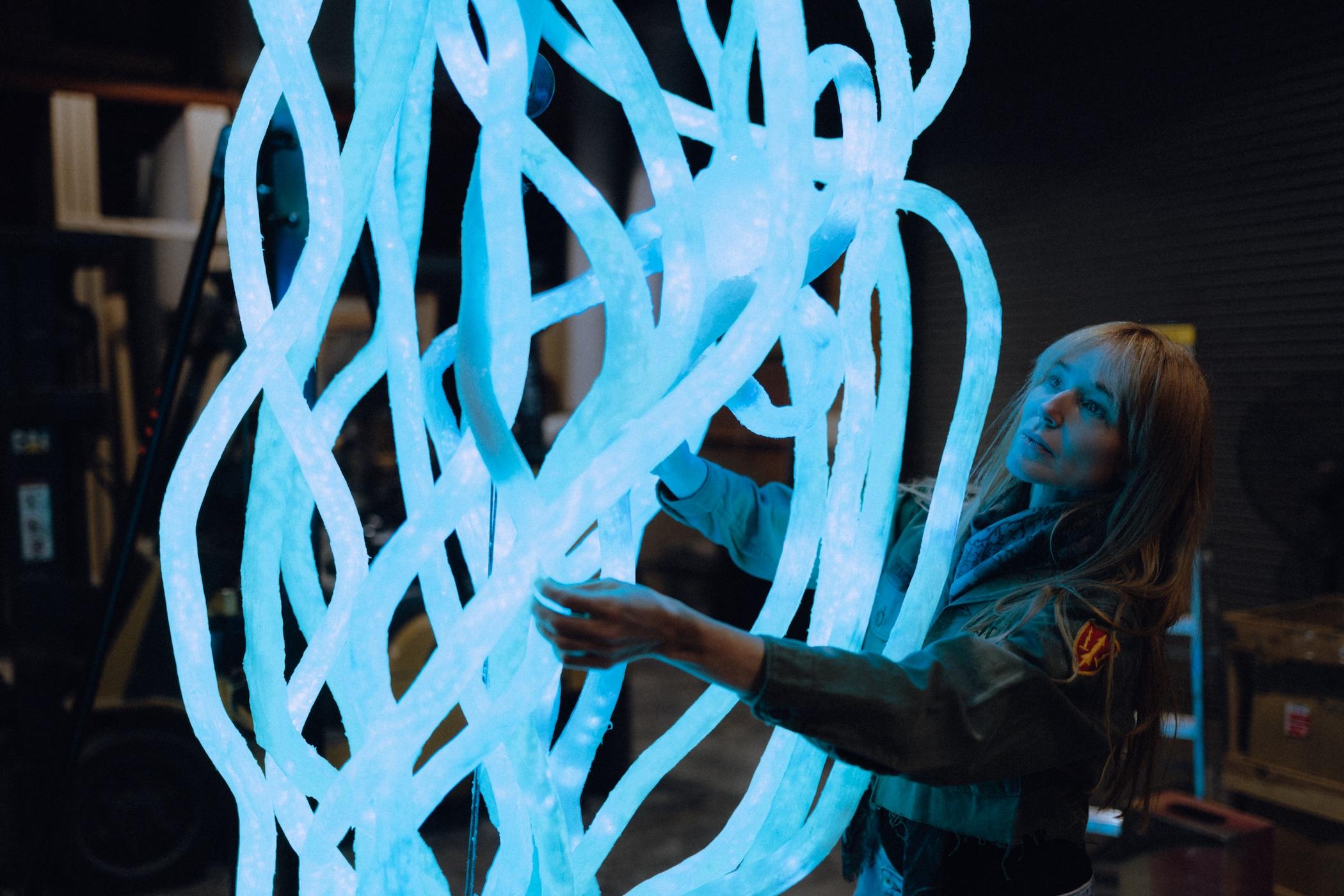
Where Chan’s work is meditative and architectural, Jewel’s is visceral. Her installations evoke tidal movement, biological rupture, and submerged histories. Sound operates like a recurring pulse throughout the exhibition—less soundtrack than environmental condition—while sculptural forms oscillate between organic anatomy and marine debris. The effect is mournful but not passive. Matriclysm does not merely lament ecological loss; it positions loss as evidence of a larger cultural failure to sustain relational forms of existence.

The title is telling. “Matriclysm” suggests both catastrophe and matrix: a collapse of foundational systems traditionally associated with care, continuity, and interdependence. Jewel frames femininity not as identity performance but as infrastructure. Maternal knowledge, ecological stewardship, bodily intuition, and collective memory become forms of endangered architecture.

Courtesy of the artist

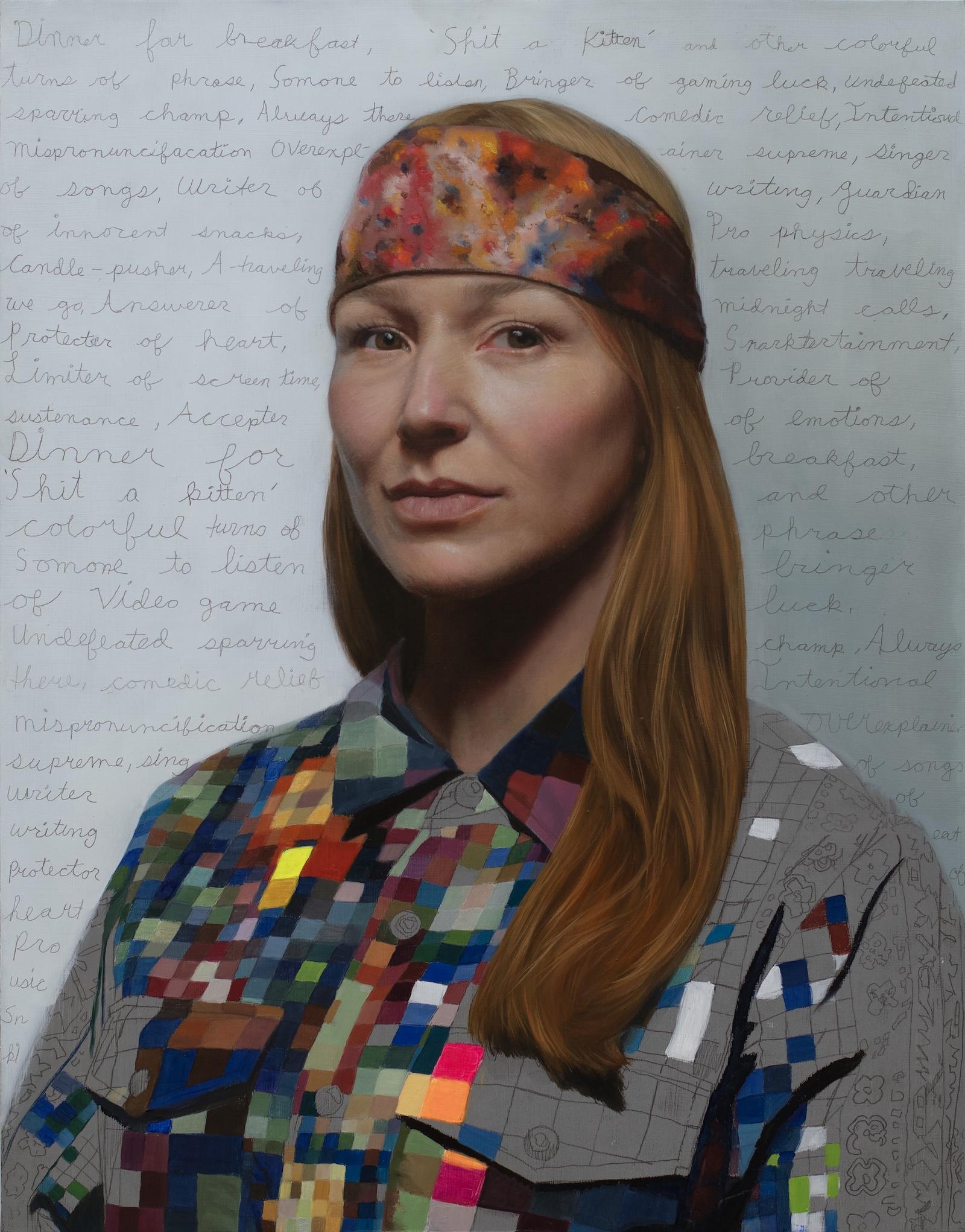
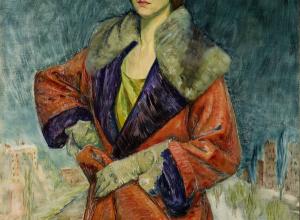
Self-Portrait by Jewel

This distinction matters, because much contemporary eco-art still treats the climate crisis as spectacle—an apocalyptic image problem-solved through immersive aesthetics. Jewel resists that tendency, as her work insists on embodiment. Viewers encounter climate collapse not as abstraction but as something intimate: carried through water, lineage, flesh, and grief.

Her exhibition also extends a lineage of eco-feminist artists and thinkers who have long argued that environmental destruction and patriarchal domination are structurally linked. Yet, Matriclysm avoids the didacticism that sometimes weakens politically driven work. Rather than illustrating theory, Jewel constructs emotional and sensory conditions through which viewers feel disconnection itself.

Seen together, Chan and Jewel form one of the Biennale’s most compelling unspoken dialogues. Both artists are preoccupied with vessels—literal and symbolic containers for memory, devotion, and survival. Both reject irony in favor of sincerity, a notable shift within a contemporary art world that has often privileged distance and critique over emotional risk. And, both ask what forms of continuity remain available in an era defined by fragmentation.

Yet, their answers diverge in revealing ways.

Courtesy of the artist, Photo by Matthew Takes

Behind the scenes with Heart of the Ocean, a piece for Matriclysm: An Archeology of Connections Lost

Chan's sculptures seek continuity by transforming matter into a site of contemplative endurance. When asked about the profound sense that matter has in his work, Chan summarizes his position nicely: "Matter is the first language, but not the final destination. We begin with material, because that is how we encounter the world. But a work cannot stop at its material surface. If it is truly alive, it must open beyond weight, form, and structure, towards something less visible. So I would not say we abandon matter. I would say we go through it. “

Jewel, by contrast, proposes repair through relational care. Her work argues that survival depends not on escaping embodiment but on re-entering it more fully.

Courtesy of the artist

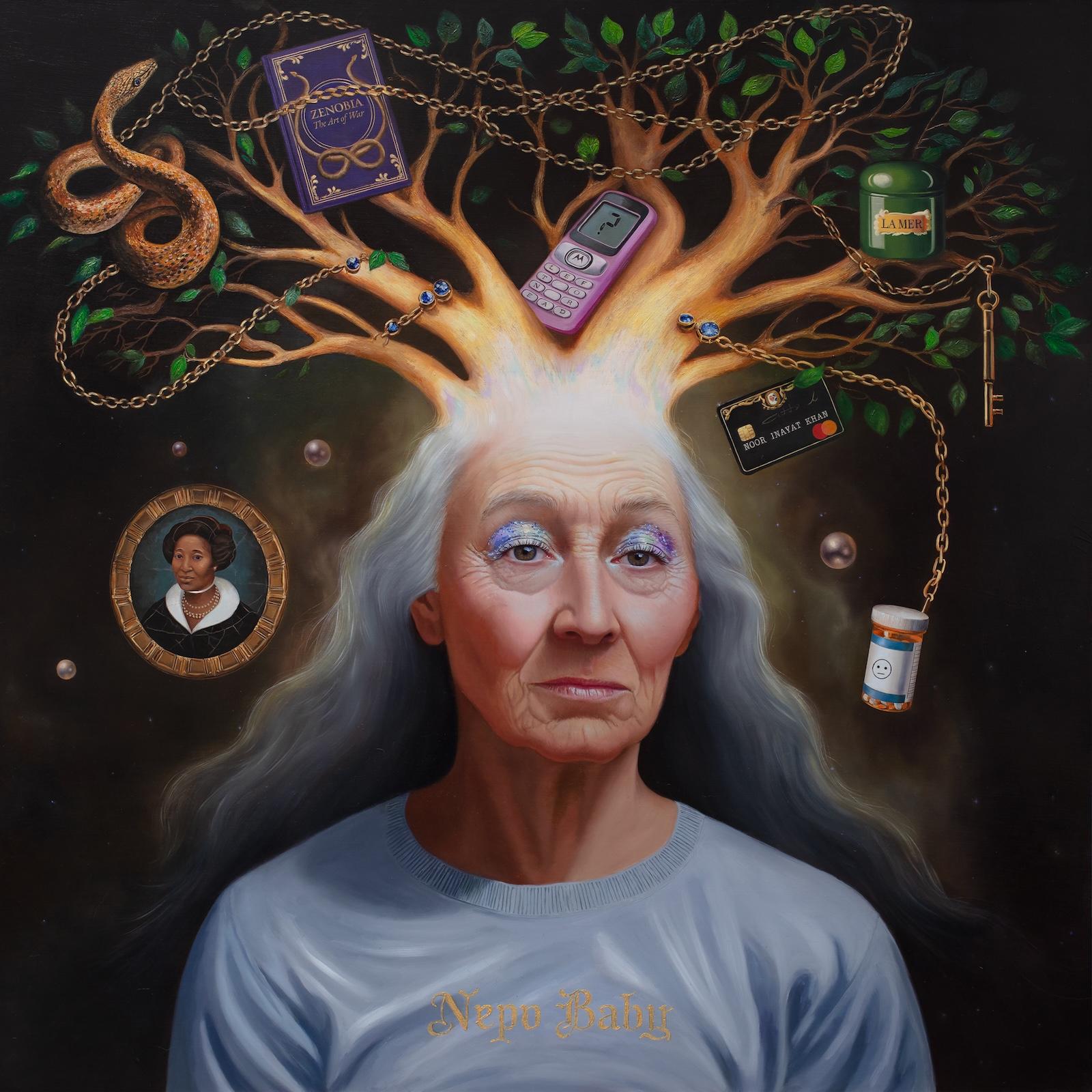
Nepo Baby painting by Jewel, from her Ceremony series to be debuted in Matriclysm: An Archeology of Connections Lost

Together, the exhibitions suggest a broader shift within contemporary art away from acceleration and toward stewardship. This may ultimately become one of the defining undercurrents of Venice 2026. Rather than competing to produce the loudest political statement or most technologically spectacular environment, artists across the Biennale appear increasingly concerned with holding: holding memory, holding ecological grief, holding unstable histories, holding forms of connection threatened by collapse.

That impulse feels especially resonant now. Across politics, climate, technology, and culture, inherited systems of meaning have become unstable. Institutional trust continues to erode: digital life fragments attention and intimacy, and environmental crisis transforms the future into something difficult to imagine collectively. In such a climate, both spirituality and care return with new urgency—not as fixed ideologies, but as survival strategies.

This is where Chan and Jewel quietly converge. Their exhibitions resist the false opposition between transcendence and embodiment. Instead, they suggest that contemporary survival may require both: rituals capable of holding uncertainty and relational structures capable of repairing damage. In Venice, a city built precariously atop water and memory, that proposition feels less symbolic than prophetic.

About the Author

Kathleen Cullen

Kathleen Cullen is a former gallerist, independent curator, and writer for CultureCatch.com. She was also the former head of sales for Art & Object. Cullen’s role as a director-curator permits her to maintain an independent spirit, presenting new artists “on the edge” by feeling the “pulse” of the emerging art market. It is this inalienable eye that posits her as a harbinger of new artistic expression.

Subscribe to our free e-letter!

Webform
Art and Object Marketplace - A Curated Art Marketplace