
At Large  April 15, 2026  Annah Otis

Should Guernica Leave Madrid? A Dispute Over Picasso’s Painting

WikiCommons

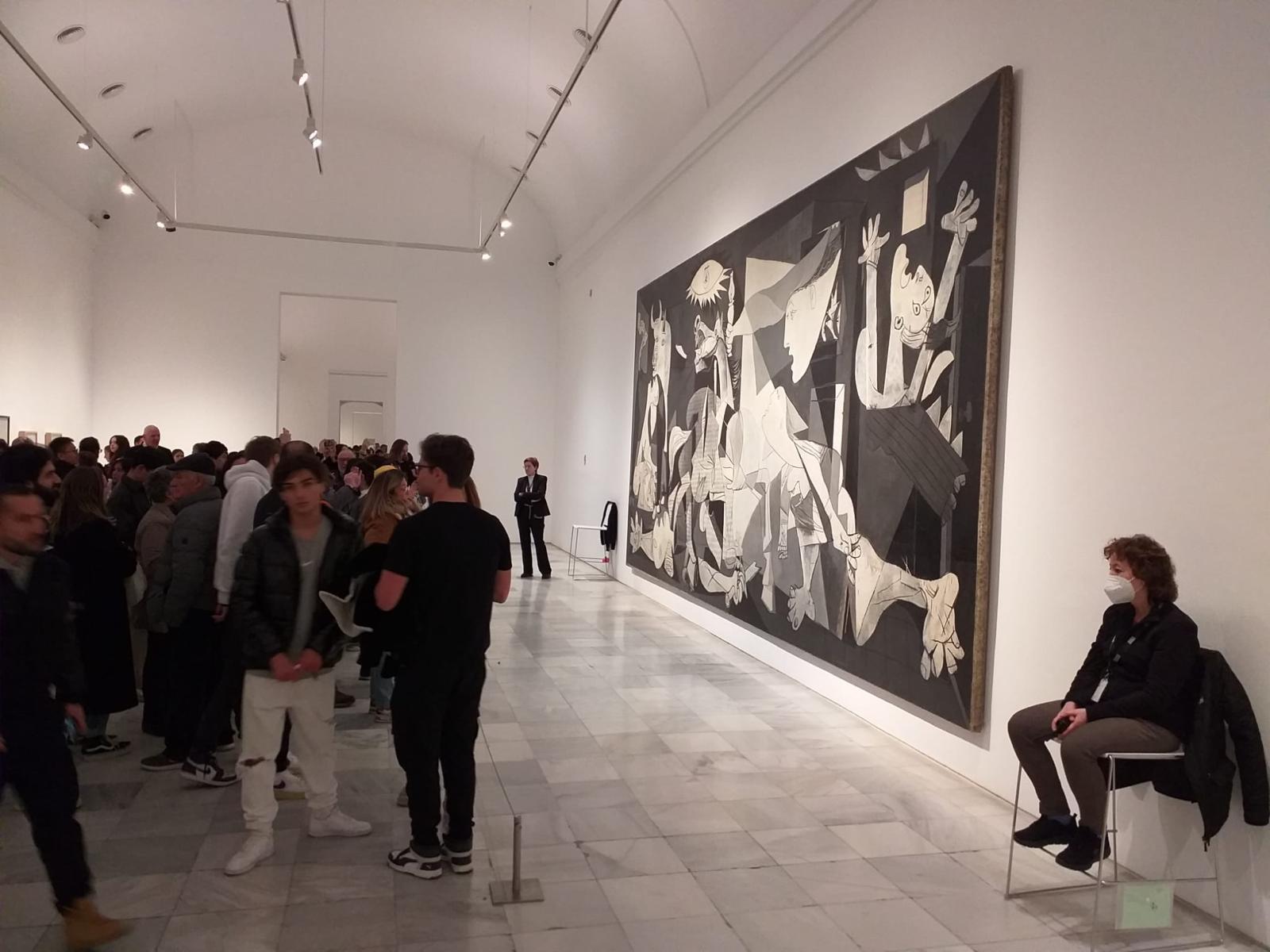
Visitors looking at Pablo Picasso’s GuernicaLicense.

From the moment Pablo Picasso finished painting Guernica in 1937 for the World’s Fair as a response to the German and Italian bombing of Gernika, the over-25-foot canvas has functioned as both an artwork and an argument. Nearly 90 years later, the painting is once again at the center of a dispute cutting to the heart of how Spain manages historical memory and political identity.

WikiCommons

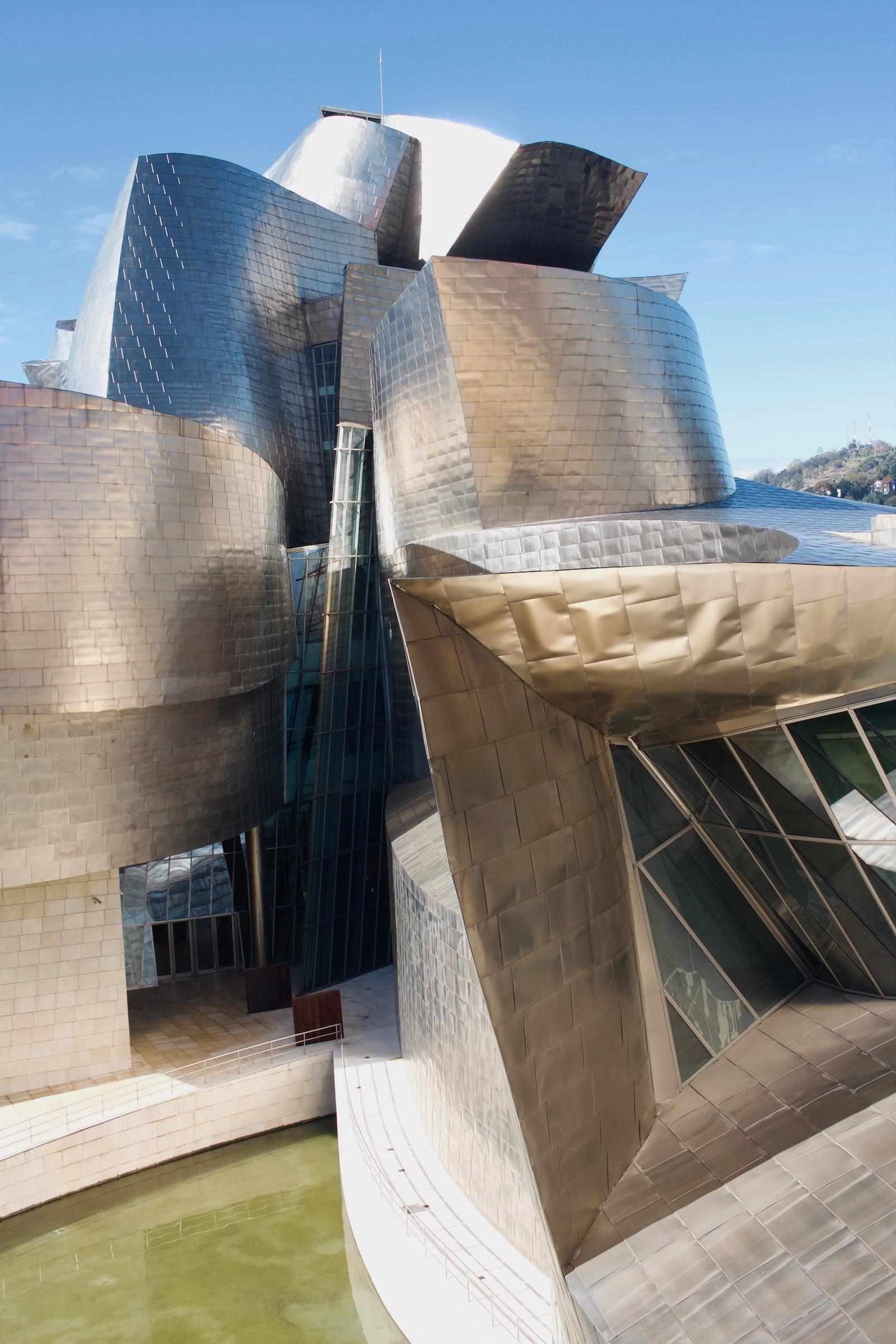
The Guggenheim Museum Bilbao. License.

The Basque regional government has formally petitioned Spanish Prime Minister Pedro Sánchez and the Ministry of Culture to authorize a temporary loan of Guernica to the Guggenheim Museum Bilbao for an exhibition from October 2026 through June 2027. Championed by Basque regional leader Imanol Pradales, the proposal frames the transfer as a gesture of historical memory and symbolic reparation, a recognition that the painting’s origin lies in Basque suffering. The Spanish government designated Gernika as a site of democratic memory in 2024.

Reina Sofia, the museum where Guernica has resided since 1992, responded with a conservation report asserting that the painting is too fragile to travel. This is in part because the canvas has been rolled and unrolled dozens of times during its pre-Reina Sofia international travels. Conservators have warned that exposing the painting to vibration or movement could make the paint layer lift or crack. Reina Sofia turned down a loan request from the Museum of Modern Art in 2000 for the same reasons. As a result, Guernica has not left Madrid in 40 years.

Basque leaders have pushed back on the conservation report and pointed out that they asked for an analysis of the conditions under which relocation might be safely accomplished. Whether the Reina Sofia’s report fulfills that inquiry or forecloses it is now itself a matter of contention as a heightened political environment complicates matters. Sánchez leads a fragile governing coalition dependent on support from two Basque parties. Any decision regarding Guernica is entangled in parliamentary arithmetic.
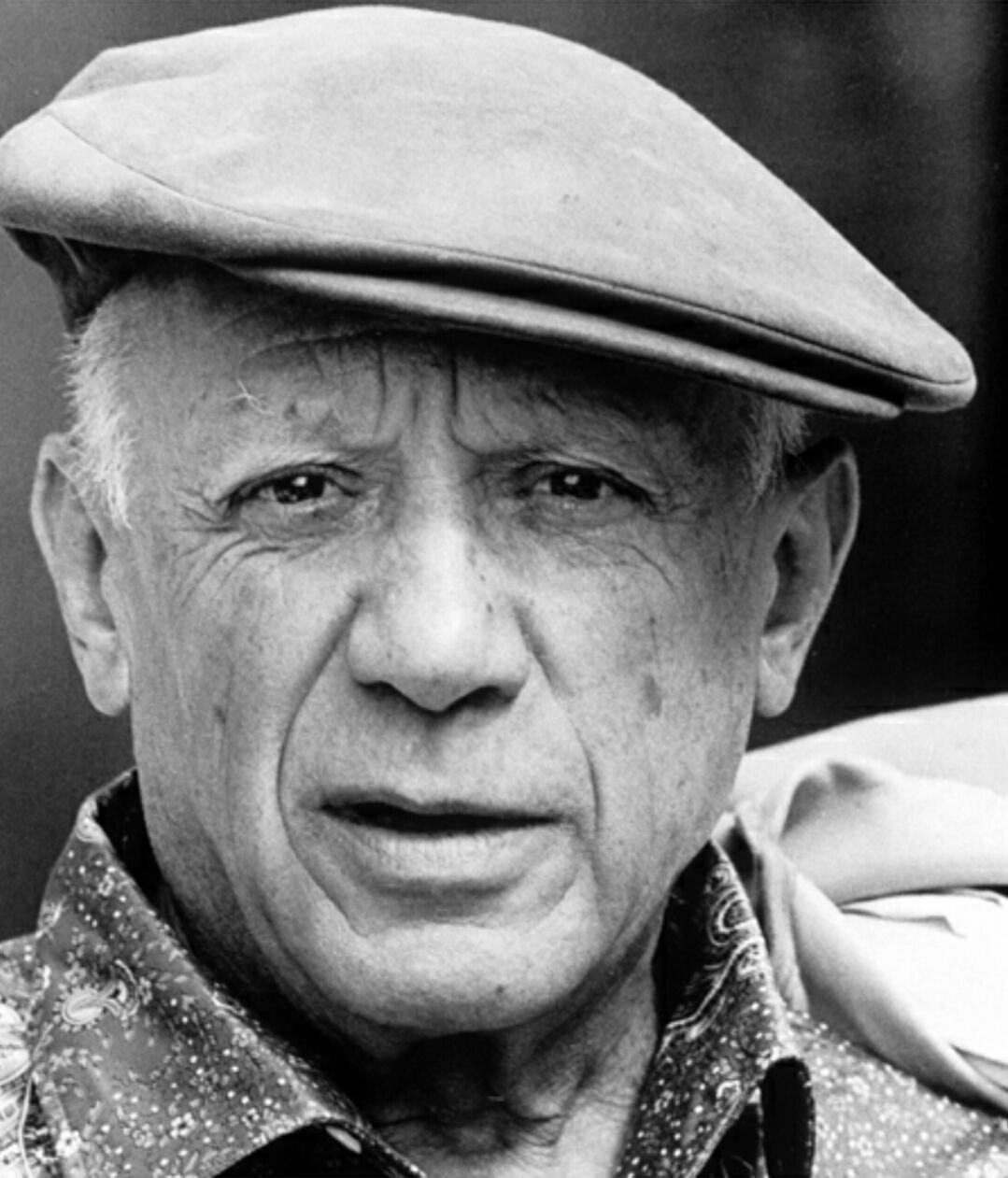
WikiCommons

Pablo Picasso, 1962. License.

Madrid’s regional leader has already dismissed the Basque proposal as “parochial.” For Spain’s capital, Guernica is a symbol of the country’s hard-won democratic freedom. Picasso went so far as to stipulate that his painting not return to Spain until democracy had been restored. It was placed in MoMA’s care until 1981 when that became possible. Yet, for the people of Basque, Guernica is inseparable from an act of mass violence enacted on them.

This violence is impossible not to feel upon looking at the canvas. It was conceived as a testimony to the horror the Spanish Civil War inflicted. Picasso drew on Rubens, Delacroix, Goya, and David to produce something that became a permanent indictment. While neither the finished composition nor the studies for it name a specific event, the bombing of Gernika looms behind it. Such ambiguity is part of why the painting appeals to so many people. The argument over Guernica is a reminder that some works of art go beyond merely depicting history by continuing to make it.

About the Author

Subscribe to our free e-letter!

Webform
Art and Object Marketplace - A Curated Art Marketplace
Loading categories...